
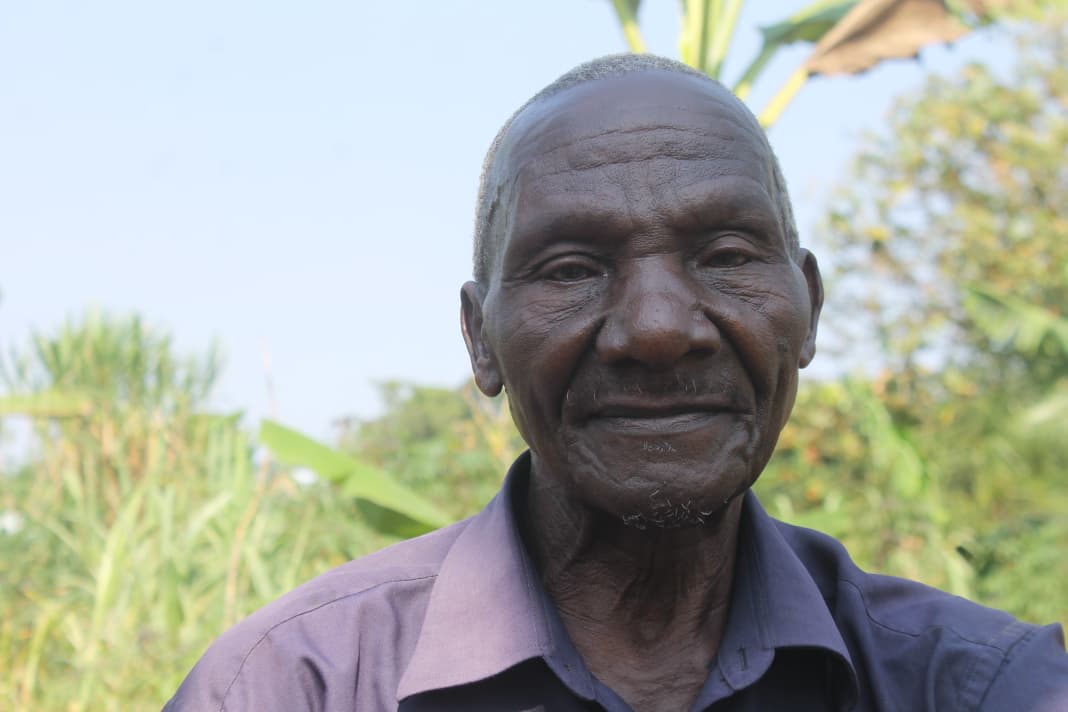
Two elderly Buganda men have criticised the growing reliance on DNA testing to establish paternity, arguing that the kingdom's traditional methods of identifying a child's lineage were more reliable and socially accepted than modern scientific procedures.
Benon Kamonde Senfuma, 91, and Khalid Buyondo, 73, said Buganda's long-established cultural practices offered trusted ways of determining whether a child belonged to a particular family, without creating the conflicts they believe have become common with DNA testing.
Their remarks come amid widespread public debate following reported DNA tests conducted on the children of the late musician Paul Kafeero, which allegedly found that only five of the 25 children tested matched his DNA.
The reported findings have sparked extensive discussion on paternity, inheritance and family relationships.
The elders questioned the credibility of modern DNA testing, claiming that scientific results can be manipulated through corruption and other forms of interference.
"Traditional methods were trusted because the entire clan participated and witnessed the process. Today, people simply receive laboratory results that many do not fully understand or trust," Senfuma said.
He explained that in Buganda culture, determining a child's lineage began immediately after birth. Family elders and paternal aunts would carefully examine the baby's physical features, including facial appearance, feet and resemblance to grandparents and other close relatives, as an initial assessment of family identity.
Senfuma said the next stage involved preserving the child's umbilical cord after it naturally detached. The cord would be kept safely until a traditional family ceremony in which children born into the clan underwent a cultural paternity ritual.
During the ceremony, the dried umbilical cord was smeared with cow ghee before being placed inside a calabash containing water together with traditional herbs and kept in a basket.
"If the cord floated, the child was accepted as a genuine member of the clan. If it sank, it was taken as proof that the child did not belong to the family," Senfuma said.
He added that the ritual was conducted publicly before clan elders, making the outcome visible to all those present.
According to the elders, where a child was deemed not to belong to the clan, the mother was expected to take the child to the biological father or raise the child elsewhere until the child's paternal lineage was established.
Senfuma also described another traditional practice, which he acknowledged was harsh, involving a sacred clan pond. He claimed that a child believed to belong to the clan would survive after being immersed in the water, while one from another lineage would not.
The elders further said Buganda maintained sacred ancestral shrines where clan leaders conducted rituals they believed could spiritually identify children who did not belong to a particular family.
They argued that the increasing number of men unknowingly raising children who are not biologically theirs is partly a consequence of abandoning these traditional cultural practices in favour of scientific DNA testing.
The two elders urged young people to preserve Buganda's cultural heritage while respecting family values, saying they believe traditional methods fostered social harmony, unlike modern DNA testing, which they claim has contributed to family disputes, including those arising from the reported DNA results involving Paul Kafeero's children.
