
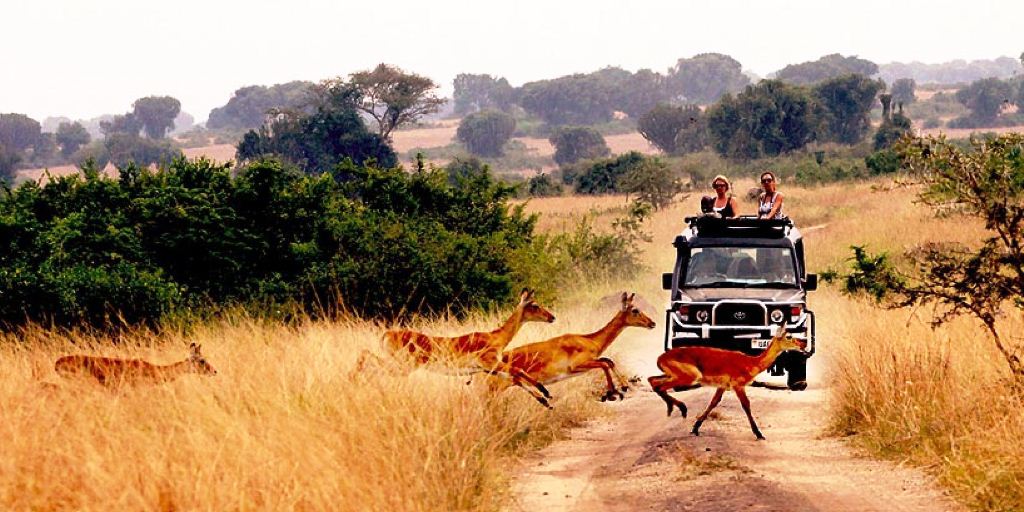
Uganda will open its gates for national parks for three days in September this year.
The government has announced three days of free entry into national parks. The offer is open to Ugandans and foreign visitors alike.
Mark the Dates: September 25th to 27th September 2026. For those three days, park entrance fees are waived across Uganda national parks. Whether you're looking to meet the tree climbing lions in the Ishasha or standing at the edge of a thundering Murchison Falls, you won't pay a shilling to get through the gates.
The announcement has been made by the State Minister for Tourism Susan Nsambu Nakawuki, during her familiarization trip to the Murchison Falls National Park and Ajai Wildlife Reserve which was organized by the Uganda Wildlife Authority (UWA).
According to the announcement, the government of Uganda invites both nationals and foreign residents to enjoy free access to all Uganda national parks from September 25th to September 27th 2026.
The minister’s message was simple and welcoming everyone is invited! There are no exceptions for nationality. She did add one lighthearted piece of advice bring a little cash, because you might want to do some activities that may require payment while enjoying the parks.
The free open park days are not just a random giveaway. The country offered free open days last year though they were limited to a few national parks; Lake Mburo National Park, Queen Elizabeth National Park, Murchison Falls National Park, Kidepo National Park and Pian Upe Conservation Area.
The initiative was limited to Ugandans, East African Citizens and Foreign Residents in Uganda.
Last year, some activities were waived. Game drives and guided tours were free during the open park days.
The Open park days always conincide with the World Tourism Day and aim at creating awareness about tourism and conservation in Uganda's parks.
The free entry campaign also comes at the right time when Uganda seeks to restore confidence to international visitors after the Ebola Outbreak that has greatly affected tourism with some countries issuing travel advisories against traveling to Uganda.
Last week, Uganda discharged its last confirmed Ebola patient. The outbreak registered 20 confirmed cases with two deaths though most cases were imported from the neighboring Democratic Republic of Congo (DRC).
Should You Plan a Trip?
If you've been dreaming that someday you will go on safari, the open park days are a great time to plan your Uganda safari.
The free access to national parks offers Ugandans, including families and students to experience nature and wildlife that make Uganda the land gifted by nature.
The free entry days (25th to 27th September) offers a unique opportunity for Ugandans to visit its iconic national parks.
The most accessible national parks for travelers from Kampala include; Uganda’s most accessible Lake Mburo National Park, Mount Elgon and Murchison Falls National Park.
From Fort Portal, the tourism city of Uganda, you can visit the less known Semuliki National Park which is famous for the Sempaya hotsprings, Kibale National Park, the primate capital of East Africa, the Rwenzori Mountains and Queen Elizabeth National Park.
A couple of things worth checking closer to the date:
- Check out the extra fees for activities such as boat cruises, guided nature walks, cultural tours etc. Learn about the activities that you can incorporate into your itinerary and how much they cost.
- Which national parks might get busier than others. The open park days are likely to increase traffic in popularly visited parks.
- It is important to book travel services and accommodation well in advance. The lodges near popular national parks can fill up fast and therefore it is important to make necessary bookings well in advance.
This Free Entry Days campaign fits into the Uganda Wildlife Authority's ongoing "Explore Uganda" and "Visit Uganda" efforts, both aimed at getting more domestic and international tourist back into the country's wildlife areas.
These days will help you to reconnect with nature and learn about conservation efforts in Uganda.
A strong turnout over these free days would send a clear signal, both to Ugandans rediscovering their own backyard and to the world watching to see if Uganda is bouncing back.
Tourism is one of Uganda's top earners, supporting jobs and funding conservation work that keeps the national parks thriving.
