
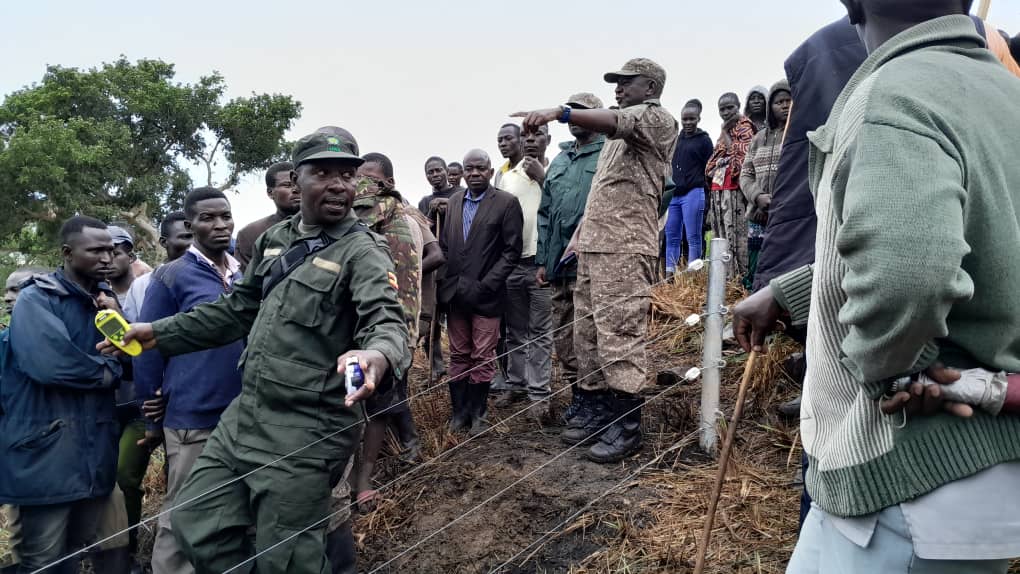
A staggering Shs16.602 billion in unpaid park revenue shares owed to communities surrounding Uganda’s national parks is causing alarm among conservationists and local leaders.
This backlog, which has surged from Shs7.444 billion as of June 30, 2024, could severely undermine the country’s wildlife conservation efforts and lead to increased poaching and illegal activities in and around protected areas.
The alarming figures were revealed in the latest Auditor General’s report.
Under Section 65 (4) of the Uganda Wildlife Authority (UWA) Act 2019, local governments in areas bordering national parks are entitled to receive 20% of park entry fees as a conditional grant.
This arrangement is intended to mitigate human-wildlife conflict and enhance the livelihoods of communities living near parks.
Despite this legal mandate, the significant delay in disbursing these funds has raised concerns that it could erode trust between the government and local communities.
In one example, the UWA Executive Director disbursed Shs1.539 billion to 12 district local governments bordering Queen Elizabeth National Park.
However, the massive unpaid balance highlights the challenges in fulfilling the law, as the delayed payments deprive communities of essential resources and services.
UWA’s accounting officer cited the lack of community accountability as a primary reason for the delay.
According to the Revenue Sharing (RS) Scheme and Regulations of 2022, communities are required to provide accountability for previous disbursements and submit project proposals for approval before further funds can be released.
However, the Auditor General’s report suggests that the current accountability framework may be too complex or burdensome for communities to manage effectively.
The report also raises concerns about whether UWA has done enough to assist communities in navigating these requirements.
As the backlog continues to grow, the delay in funding could fuel resentment, potentially driving some members of these communities toward illegal activities such as poaching or encroaching on park boundaries.
The audit recommended that UWA’s accounting officer establish a simplified, community-based accountability framework to address these issues.
This framework should offer clear guidance, better monitoring, and enforceable strategies to ensure compliance, while also being accessible and manageable for the communities involved.
The report emphasized the urgent need for this reform, stressing that continued delays could have long-term repercussions for both local communities and the future of wildlife conservation in Uganda.
As the pressure mounts, there is a growing consensus that a more streamlined and supportive system is necessary to rebuild trust, foster collaboration, and ensure the protection of Uganda’s rich biodiversity for generations to come.
