
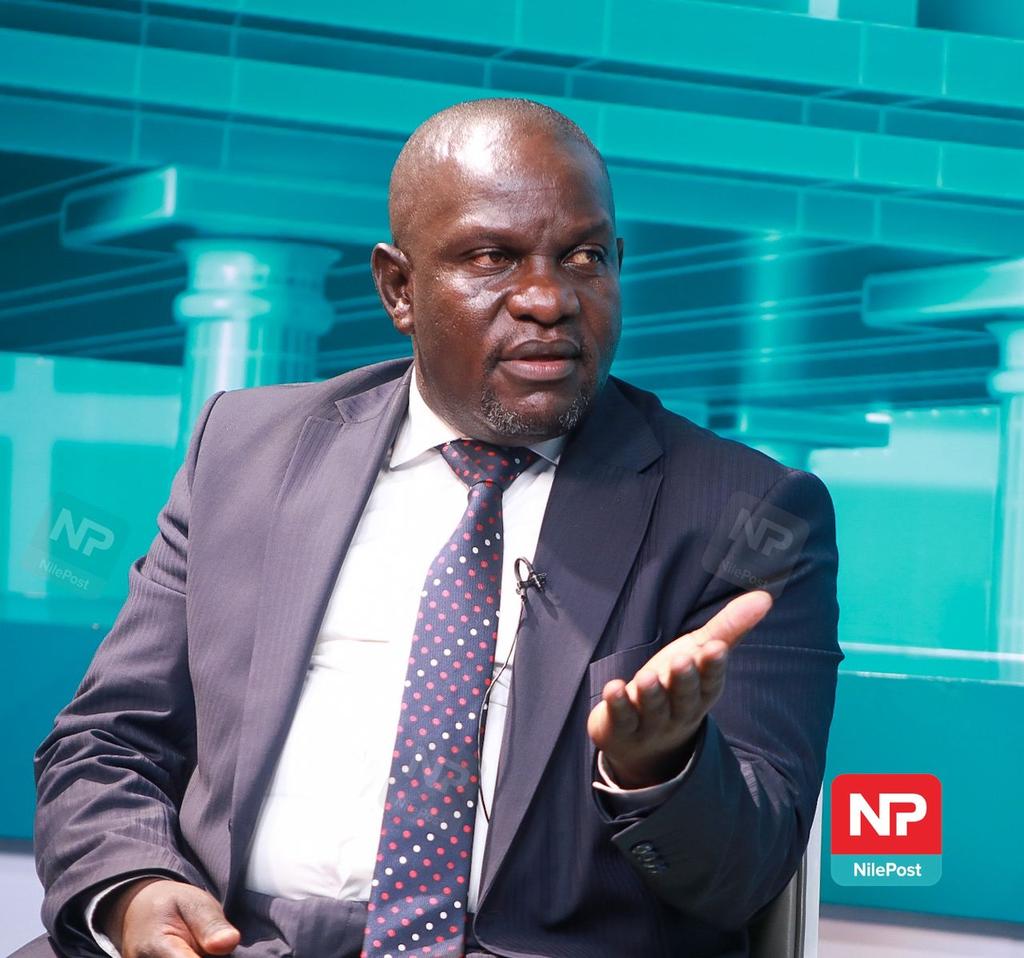
KAMPALA — Opposition Chief Whip Paul Mwiru has defended the continued absence of Opposition MPs from the State of the Nation Address (SONA), insisting that attendance at the annual presidential address is not mandatory but a matter of individual choice within the caucus.
His remarks come after a large section of Opposition legislators stayed away from this year’s SONA, extending a pattern of low attendance that has been observed over the last four consecutive years.
“There is no division in the Opposition. We told the MPs to follow their hearts on whether or not to attend the State of the Nation Address,” Mwiru said during a political talk show appearance on The Frontline.
Mwiru maintained that the Opposition had not imposed a blanket directive to boycott the address, but instead allowed MPs discretion in deciding whether to attend the parliamentary sitting.
He further explained that the flexibility was partly intended to accommodate new MPs who wanted to understand parliamentary procedures and observe proceedings before making firm participation choices.
“There are Opposition MPs who said that they are new to Parliament and wanted to get a feel of what would happen at the State of the Nation Address. We then took a decision to make it optional for Opposition MPs to attend,” he said.
The Opposition’s continued absence has, however, revived debate over the effectiveness of the boycott strategy, which has been intermittently adopted over successive SONA events since the current parliamentary term began.
While Opposition leaders frame the decision as a political stance and a matter of principle, critics argue that the boycott has yielded little tangible influence on government policy or the content of the presidential address, which continues annually with or without Opposition presence.
Despite the repeated absences, the State of the Nation Address proceeds as a key constitutional event, with government using it to outline achievements and priorities for the coming financial year.
Soroti City West MP Moses Attan also weighed in on the matter, rejecting the framing of the Opposition absence as a coordinated protest, saying attendance decisions are ultimately personal and tied to parliamentary responsibility.
“I was sent to represent the people of Soroti City in Parliament. Today was another Parliament sitting,” Attan said, adding that he prefers attending proceedings even where he disagrees with the views being presented.
“I believe in sitting and listening to people I don't agree with,” he said.
The SONA remains one of the most significant events on Uganda’s parliamentary calendar, but the Opposition’s continued low turnout has kept questions alive over whether its boycott strategy is symbolic posturing or a sustained political tool with measurable impact.
