
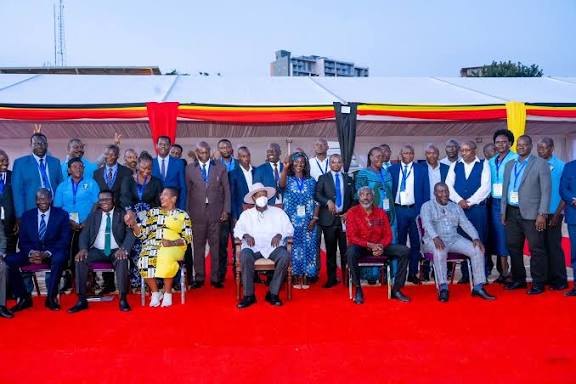
The political climate in Uganda is heating up again as new regulations governing the Inter-Party Organisation for Dialogue (IPOD) are set to be tabled before Parliament by Justice and Constitutional Affairs Minister Norbert Mao, who also chairs the IPOD Summit.
The proposed IPOD regulations are meant to operationalize recent amendments to the Political Parties and Organisations Act, 2025 — but not everyone is convinced of their intentions.
Kira Municipality MP Ibrahim Ssemujju Nganda has voiced skepticism, suggesting the regulations could be used to “lock some parties out” of the IPOD framework.
“There are fears within the opposition that these rules are being structured to control who qualifies to sit at the dialogue table,” Ssemujju remarked, questioning both the timing and the transparency of the process.
However, the IPOD Secretariat insists the concerns are misplaced.
Dr Lawrence Sserwambala, the Executive Director of IPOD, defended the draft regulations, saying they were developed with the input of all six member parties and are not designed to exclude anyone.
“The statutory instrument was made in such a way that it’s free — a political party may choose to join or leave,” Dr Sserwambala explained.
“It’s not true that it’s meant to lock members in or out.”
He added that the regulations mainly address how IPOD structures — such as the Summit, Council, and Secretariat — should operate, and how the Memorandum of Understanding (MOU) between parties can be made legally binding.
The final draft of the regulations is expected to be tabled in Parliament on Tuesday.
Meanwhile, parties such as the National Unity Platform (NUP) are reportedly considering joining the dialogue platform, signaling a possible reshaping of Uganda’s multiparty engagement landscape.
As the political temperature rises, all eyes are now on Parliament — and on whether these regulations will foster genuine dialogue or deepen mistrust among Uganda’s political factions.
