
By Ben Ssebuguzi
I commend Hon. Ibrahim Ssemujju, the former Kira Municipality Member of Parliament, for his consistent focus on matters of national accountability and his efforts to hold government to account on public expenditure. Such scrutiny is essential, as it helps ensure that public officials act in the best interests of citizens rather than pursuing private gain.
President Yoweri Kaguta Museveni has repeatedly emphasized that the fight against the misuse of public resources requires a collective, citizen-led approach. He has often noted that individual inaction ultimately leads to collective failure.
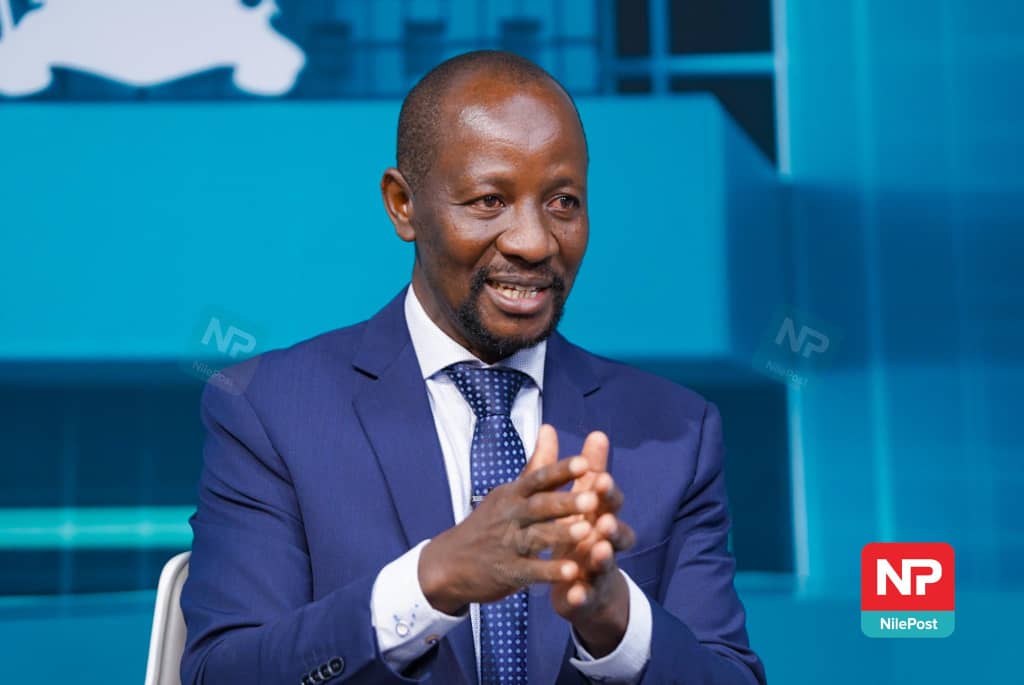
However, while analysing Hon. Ssemujju’s recent televised remarks in which he listed several properties belonging to Dr. Sudhir Ruparelia that are rented by government, it is important to clarify certain issues for balanced public understanding.
At no point is it illegal for government to rent properties owned by indigenous investors, particularly in situations where there is a shortage of public infrastructure. Similarly, the Public Procurement and Disposal of Public Assets (PPDA) framework does not prohibit multiple lawful transactions between government and a private entity, provided procurement procedures are followed.
Where concern arises is in the manner such discussions are sometimes framed in public discourse. In some instances, emotionally charged language and grievance-driven narratives risk shaping public perception in ways that may unintentionally portray private investors negatively, despite their lawful contribution to the economy.
Dr. Sudhir Ruparelia is a well-known Ugandan investor who began modestly and built his business empire over decades, contributing significantly to real estate development, employment creation, and tax revenue generation. His investments have enabled government to access quality facilities that support service delivery to citizens.
It is also a well-established practice globally, and within Uganda, for governments to lease properties from private owners when necessary. Institutions such as the Buganda Kingdom also lease property to government, generating revenue that supports their operations. This raises the question of why similar arrangements become controversial when involving specific individual investors.
Beyond this, Dr. Ruparelia, through the Ruparelia Foundation, has continued to support community initiatives, including donations and health outreach programmes such as eye treatment camps that have benefited thousands of Ugandans. Such contributions reflect a broader culture of private sector participation in national development.
Rather than focusing solely on ownership of rented properties, it would be more constructive to examine whether government procurement and leasing decisions follow due process under PPDA guidelines, including transparency, competitiveness, and value for money.
Ultimately, accountability remains a cornerstone of good governance. When citizens, media, and institutions demand transparency and responsibility from leaders, they strengthen the functioning of the state. However, such discussions should be conducted in a manner that does not unintentionally undermine investor confidence or discourage private sector participation in national development.
Uganda’s development journey has been shaped by collaboration between government and private investors over decades. Maintaining that partnership requires both accountability and fairness in public discourse.
Long live President Yoweri Kaguta Museveni.
Long live Hajjat Hadijah Namyalo Uzeiye, Special Presidential Assistant and Manager, Office of the National Chairman (ONC).
The writer is Head of Research, Office of the National Chairman (ONC).
