
The day started off with a mistake, the thirty minutes drive to the forest for chimpanzee tracking that was scheduled for 6 O'clock started a whole hour late.
On arrival at Mairirwe, Buhimba subcounty, Kikuube District the team already doubts on finding the Chimps that our tour guide noted are very early risers.
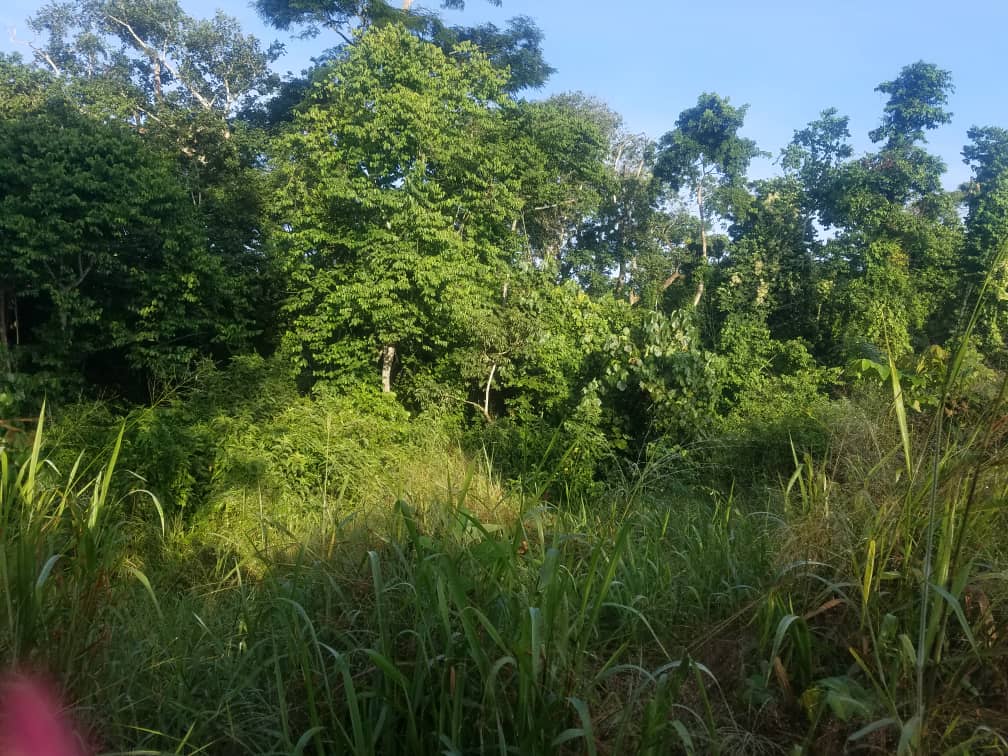
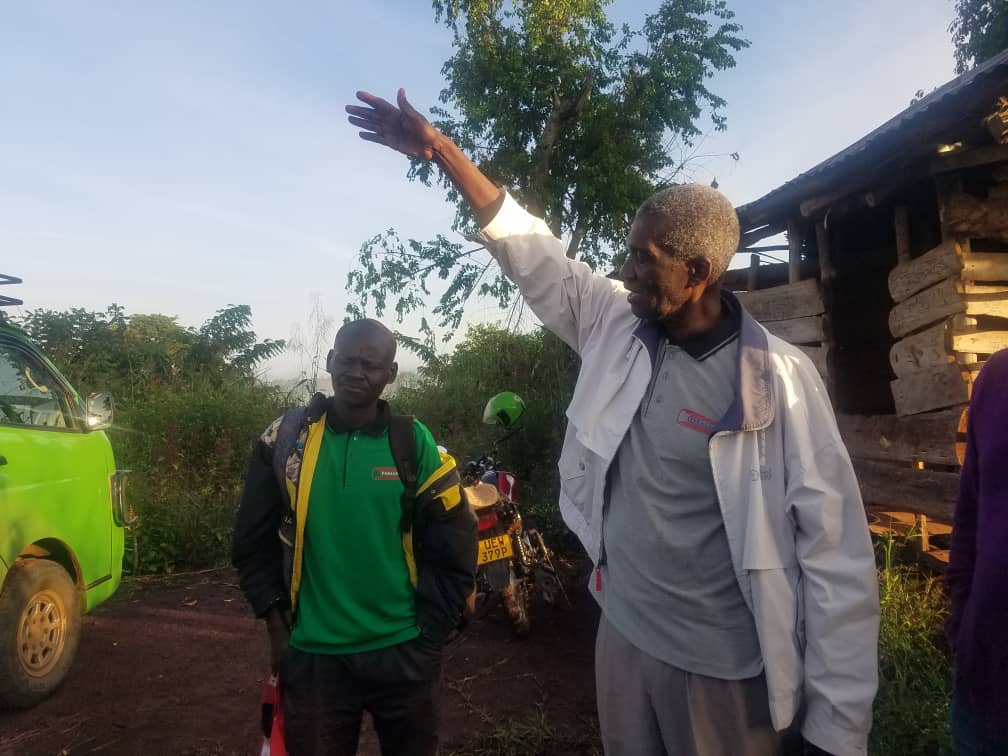
Before our trek, we met John Bagumirabingi, the 79 year old managing a privately owned forest reserve on 152 hectares of land.
Mr. Baguma says having officially established the forest on 2018 when he recieved a licence to that effect, his plan is to develop a bio diversity and eco-tourism centre.
Baguma "We plan to make it into a stop centre for tourists to complete the tourism circuit to Murchison and other tourism destinations that were previously disrupted by a poor road network."
The forest is a conservation and eco-tourism concept by cushioned by Pine trees and farms to prevent encroachment.
After the brief introduction off we went led by two forest managers and trackers.
The journey started off on an exciting note as we delved into the thick virgin canopy.
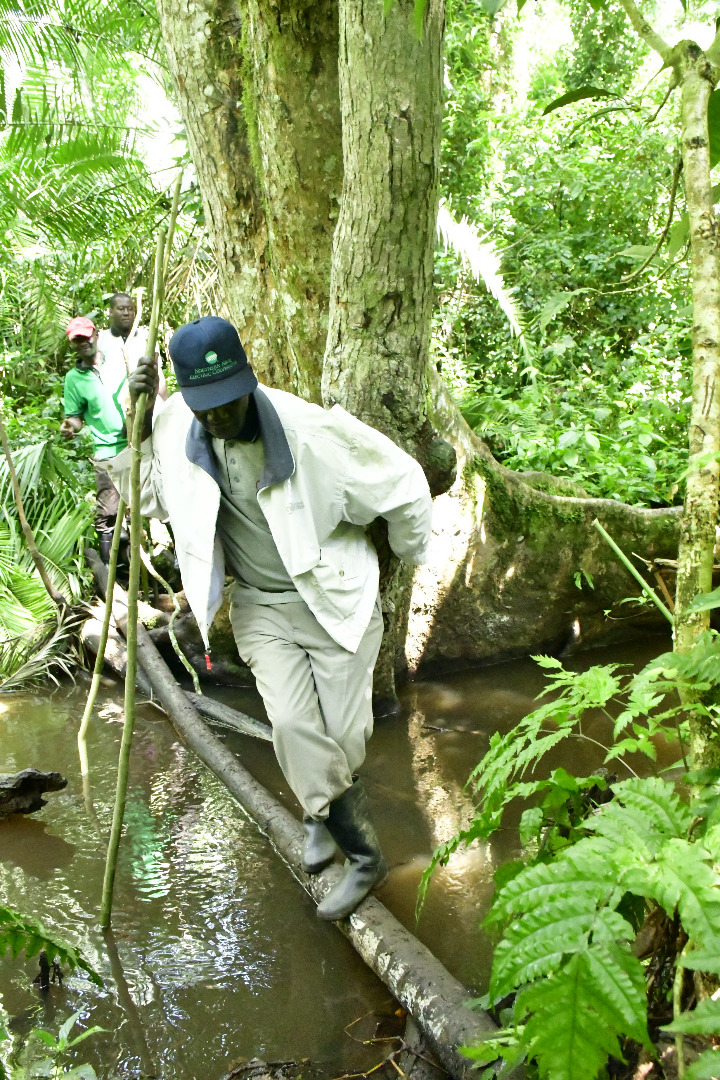
Yet just shortly the same got dirty and soggy. We had to cross past huge logs and wade our soaked feet and shoes past wide muddy pads one person at time.
And soon came River Kititima, one of the tributaries pouring into Lake Albert. Here we walked past a tree bridge seeking support on surrounding smaller trees until the whole group had crossed. Soon our first trail came to an unsuccessful end.
We then went into another trail but hope was by now frail considering the sensitive nature of chimpanzees that easily seek refugee on seeing humans.
The second trail was more of an uphill journey and soon we were navigating a thick cover intertwined by a wave of climbing plants darkening paths between huge trees.
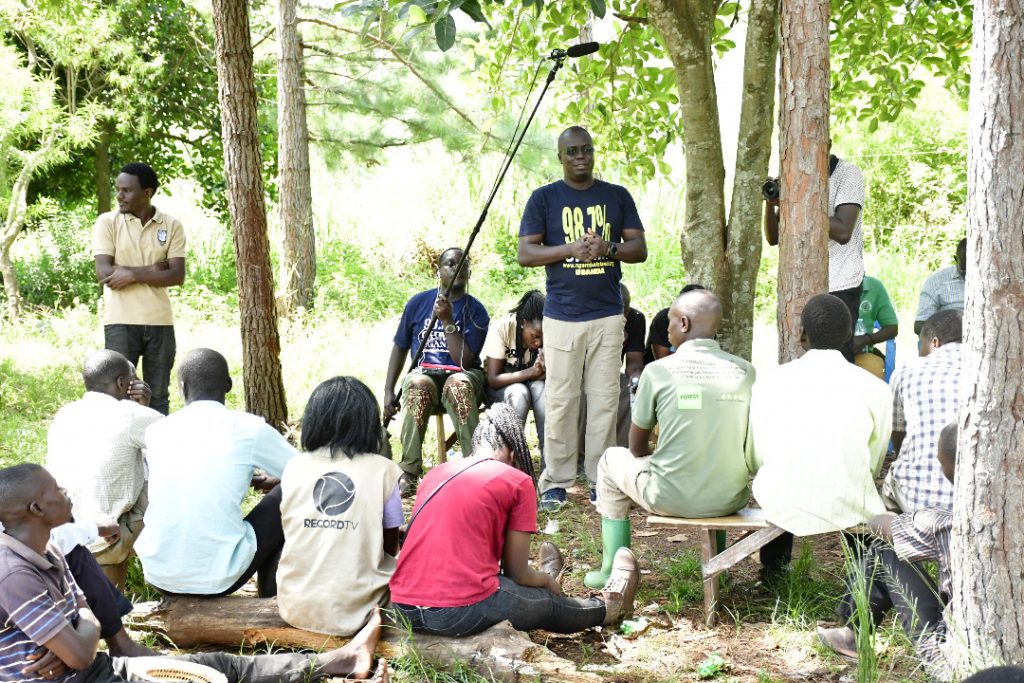
All this while our host Mr. Baguma had assured us of security saying in case of an attack by an animal we should run to him. He believes being a Muchwezi no animal would attack him.
Along the way our trail leader Simon Mugenyi intimates that there are a variety of wildlife species within the forest including baboons (some of which we'd see on trees), red tailed monkeys, birds, reptiles and the day's kings the chimps.
The forest currently has 35 adult chimps which though not seen had left behind evidence of their presence on different tree tops with their sleeping nests.
And with numerous briefs our journey ended unsuccessful, we saw no chimp. We ended the search soaked with mud almost to knee level, aching bodies and striking hunger.
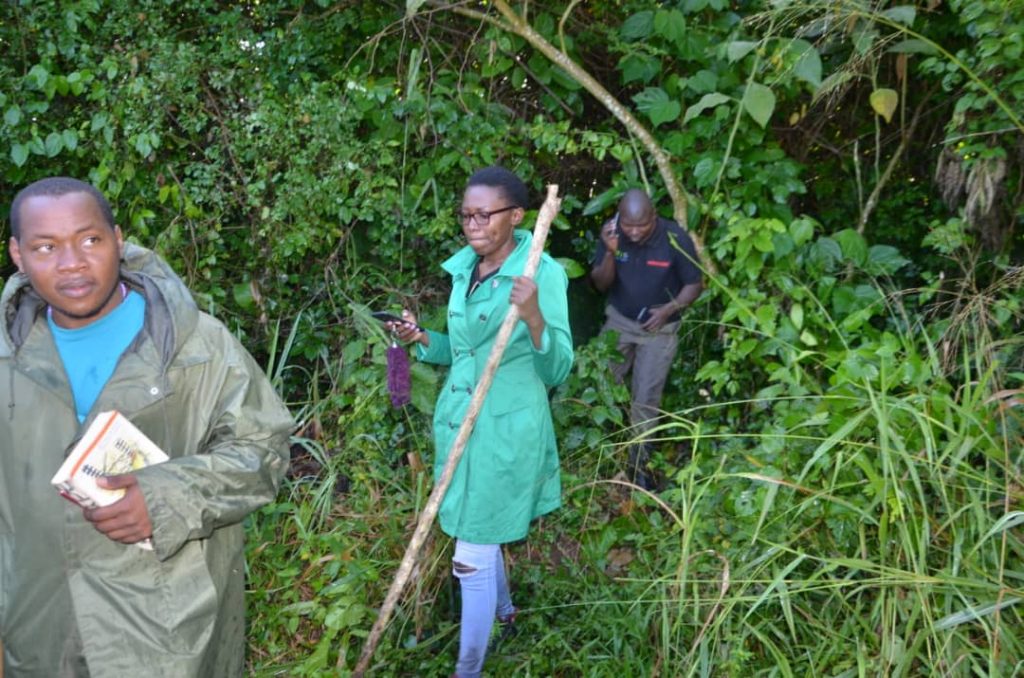
However, we marked the International World Chimpanzee day.
There is great concern around the chimpanzee population which is feared to have drastically gone down from over a million to a current 35000 globally.
As the country joined the rest of the world in marking chimpanzee day on July 14, Chimpanzee Trust an organisation offering refugee to rescued Chimpanzees at Ngamba Island spent the day building awareness of the risk that the chimpanzee faces in areas of Hoima and Kikuube districts housing various eco systems that sustain the chimpanzee.
According to Dr. Joshua Rukundo the decline of the chimpanzee is being triggered by reduction in their habitat space, disease, petty trade and such for Bush meat.
He notes however that most critical issue to address is the question of preserving all natural habitats because short of this the numbers will only be left in reserved sanctuaries which are not many and where other challenges will reduce those numbers more.
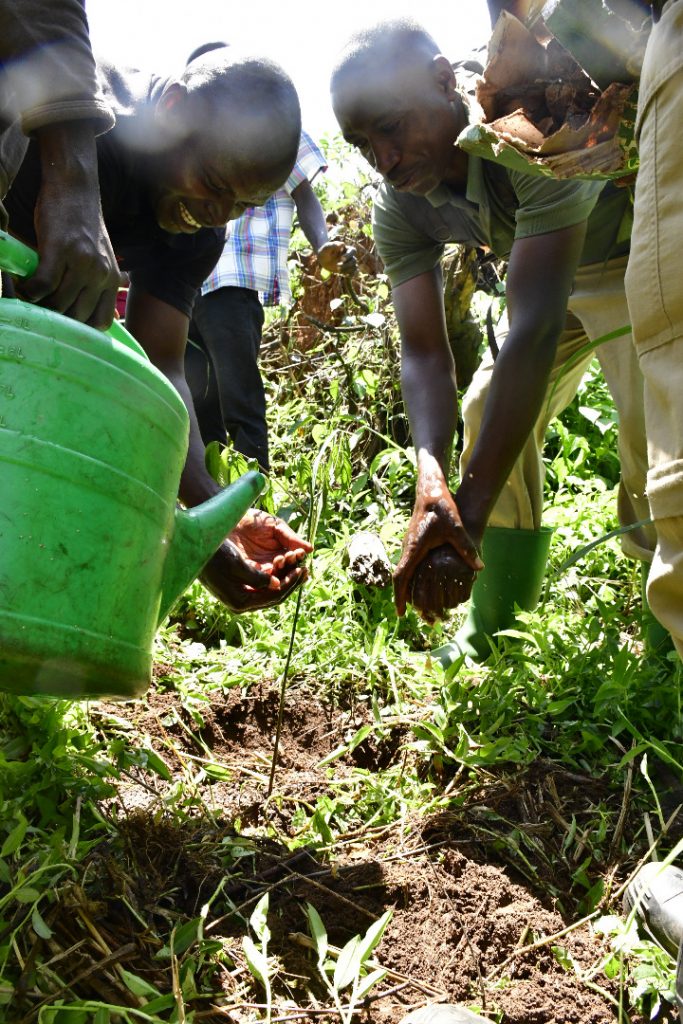
As part of this effort, Chimpanzee Trust members planted trees along River Rutoha another tributary to Lake Albert to restore the forest cover that was destroyed by farming communities and conserve the river as part of the natural eco system.
Chimpanzee Trust marked the day in districts in greater Bunyoro region such as Hoima and Kikuube because of the diverse bio diversity in the area providing a unique and wide range of habitant for different wild life species
Besides protected habitats the group is advocating for reservation of privately and institutionally owned forests against competing options such as sugar cane growing which risk destroying the habitat.
Bugoma forest in Kikuube district is one of the areas of concern covering 44,000 hectares and a major chimpanzee habitat threatened by encroachment as well as competition now coming from the Hoima Sugar Company.
The Conservation Program Officer at Chimpanzee Trust Nebat Kasozi Atuhura says as part of their habitat protection initiatives, Chimpanzee Trust has embarked on a project dubbed the Bugoma Water Catchtchment Payment for Ecosystem Services.
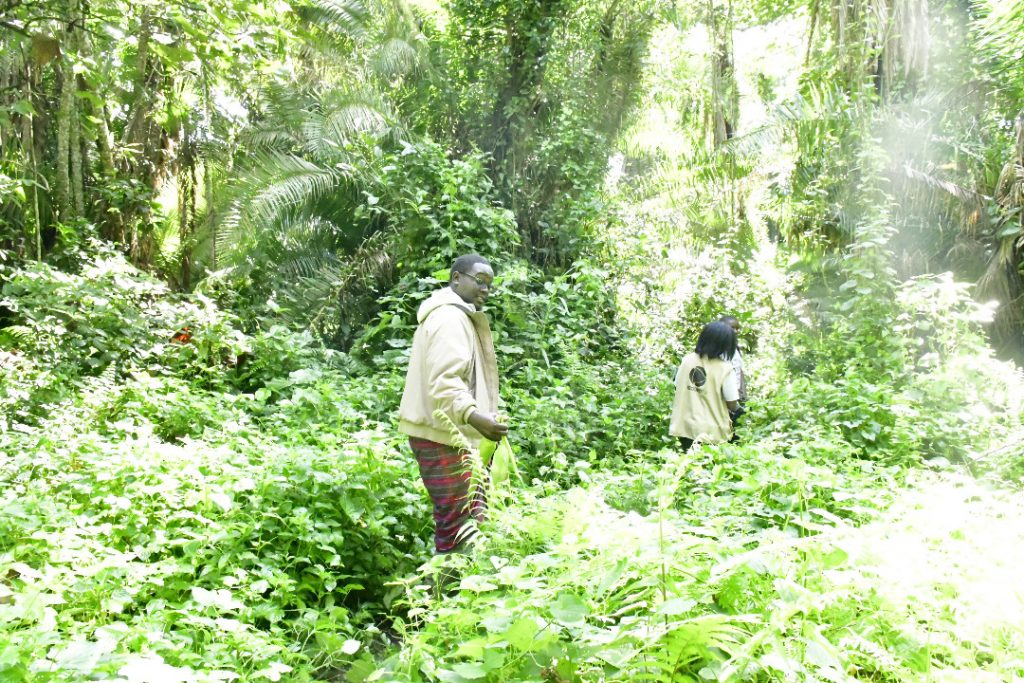
The project offers communities neigbouring the various rivers that go through Bugoma to preserve the rivers compensation. Atuhaire says as communities in Kikuube district protect rivers, forests grow back and wildlife return.
But the communities that live around the habitat is that with the return of the animals, their gardens are constantly under threat.
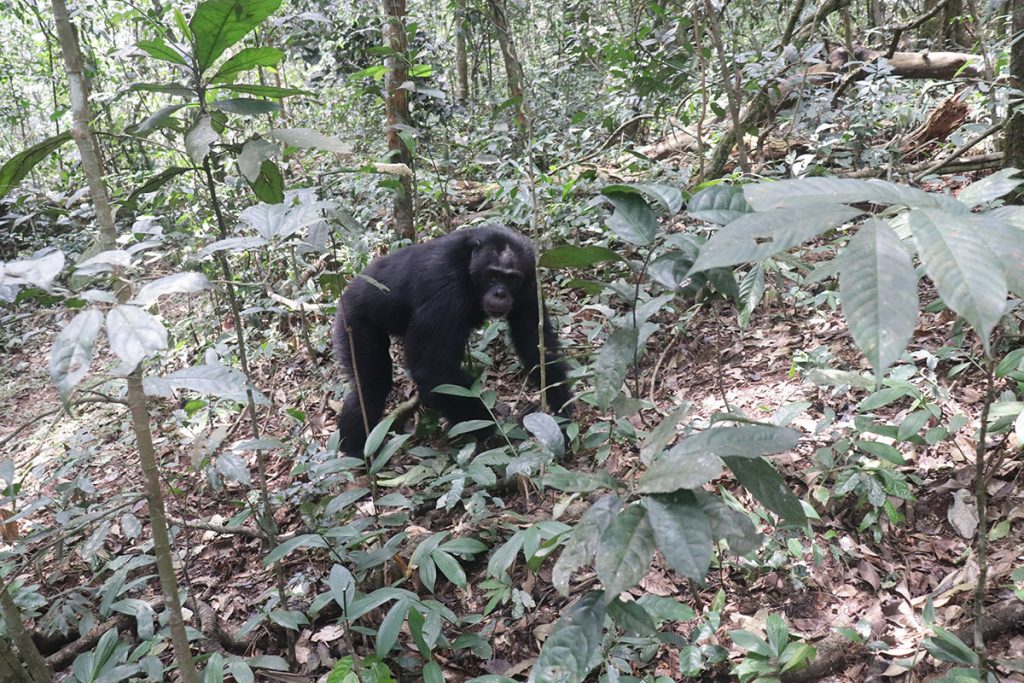
Against this the affected families are encouraged to trade in crops that animals find inedible like ginger, red pepper, sunflower among others.
The chimpanzee needs to be protected because while it's facing fast extinction, it's reproduction is very slow with a gestation period of nine months and every female giving birth to only four chimps in an interval of four years.
The chimpanzee is a tourist attraction as one of the five great apes including the human, bonobo, gorrilla and orangatun.
