
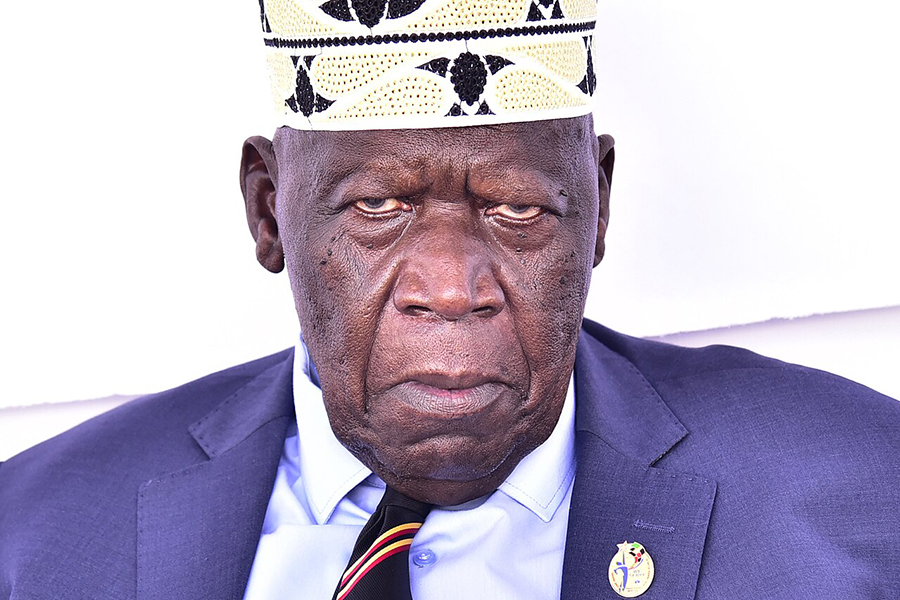
By Robert Kabushenga
I first heard of Moses Ali in 1978. He was the Minister of Finance, and I was a Primary Five pupil. At that young age, I only knew him as a prominent figure in government.
Years later, I had the privilege of meeting him personally. By then, he was serving as Deputy Prime Minister, the highest political office he would hold in Uganda. I was then the Managing Director and Chief Executive Officer of Vision Group.
This is the man I wish to pay tribute to — not the one who, in his twilight years, became somewhat of a caricature in the eyes of some observers.
Gen Ali visited my office on several occasions, but three encounters remain particularly memorable.
The first thing I noticed was his humility. He would arrive without prior announcement and without any fanfare. My assistant would simply open the door and say, "Gen. Ali is here."
Each time, he politely asked to see me and patiently waited in the reception area outside my office. I always made it a point to leave my desk and personally welcome him in.
Gen Ali never wasted my time. He went straight to the point, presenting his issues clearly and methodically. There was no unnecessary talk, no arrogance and no attempt to intimidate. He was courteous.
On one occasion, he came to discuss ethnic and religious tensions in West Nile. Our radio station in the region had become caught up in the controversy and was taking sides.
Rather than turning the matter into an accusation against us or using political channels to complain, he took time to help me understand the situation and advised us on how best to navigate it.
I realised then that he was different from many politicians who use moments of crisis to advance personal interests. He avoided intrigue and instead offered guidance.
Gen Ali knew what he wanted and pursued it with determination. That was evident in his long-standing desire to attain the highest military rank.
He strongly believed he deserved the rank of full General and never stopped making his case. When he was eventually promoted, he visited me and said he intended to celebrate with a procession through his hometown.
He requested that his photograph appear on the front page of the newspaper. I agreed. Where some leaders would have demanded such treatment by invoking their status, Gen Ali simply asked.
My final personal encounter with him was about a book he had written on the Nubi community in Uganda.
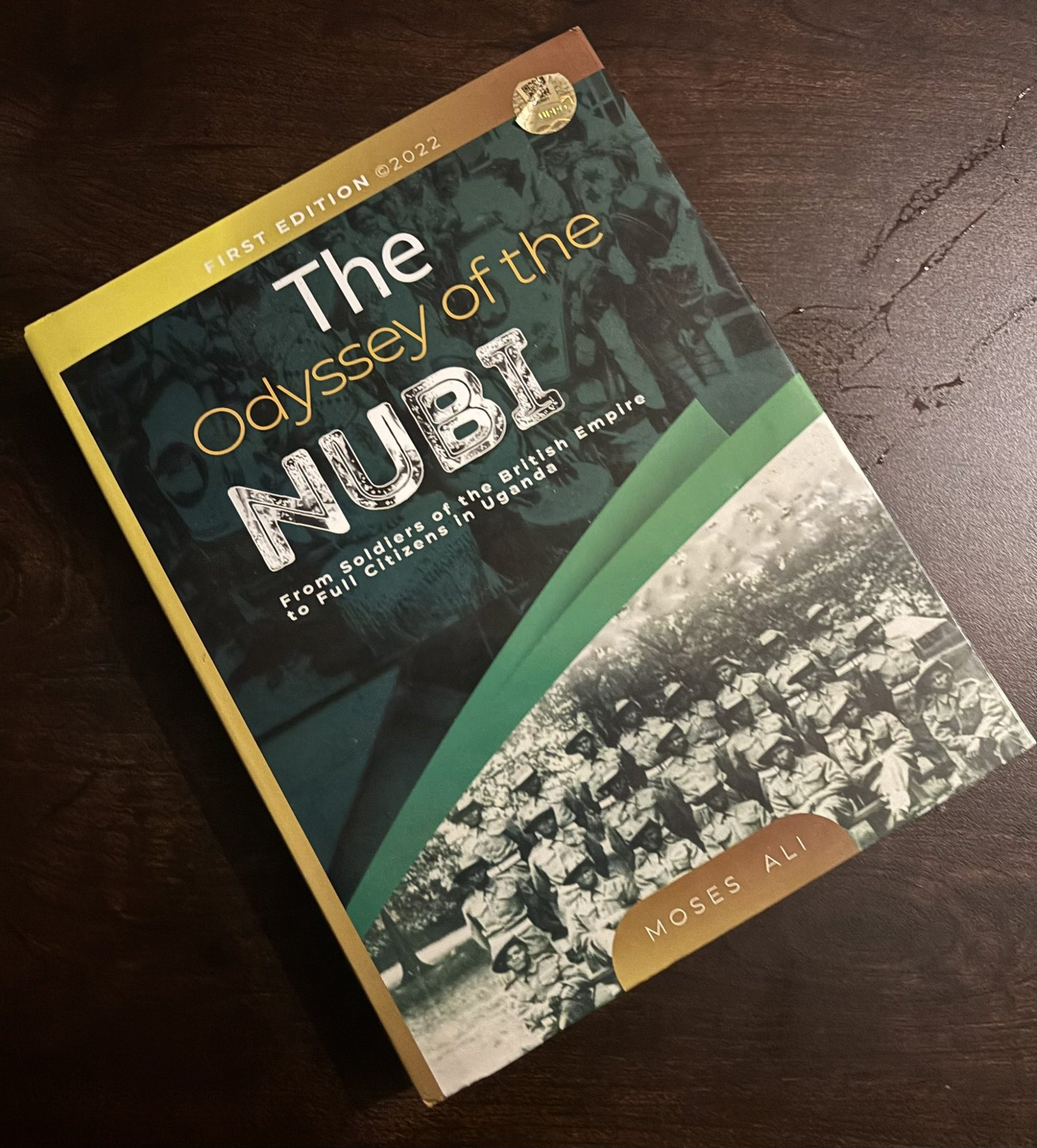
During that conversation, I learnt more about the political fallout following Idi Amin's invasion of Tanzania. He told me how he was dismissed and would likely have been killed if members of his mother's Nubi community had not hidden him in Bombo, where he remained until Amin's regime was overthrown.
I also encountered Gen Ali during his tenure as chairperson of the Covid-19 National Task Force.
There, I saw another side of him — a decisive leader who focused on results. While others sometimes appeared consumed by lengthy discussions, he had a way of cutting through the noise and directing attention to the issues that mattered.
He was not afraid to challenge ministers who sought to project influence or authority. He had the confidence to demand action and accountability.
His final major contribution as a public servant was his role in Uganda's response to the Covid-19 pandemic.
However, Gen. Ali was also a complex figure who was part of Uganda's turbulent political history. Like all public figures, he had strengths and weaknesses.
His long political journey was not without controversy. Some critics felt he stayed too long in public life and that his later years affected the way many viewed his earlier achievements.
Two stories illustrate the complexity of his personality.
One was shared with me by Hajj Moses Kigongo, the long-serving NRM Vice Chairman, who recalled an occasion when Gen. Ali allegedly dismissed him harshly when he sought support for a vehicle allocation.
The other was narrated by my friend Daudi Mpanga, who has shared his own account elsewhere.
Perhaps, however, Gen Ali's public image in his final years, especially during recent political campaigns, shaped perceptions of him more than his earlier achievements. For some, it became a reminder of the challenges that come with prolonged political service.
Now he is gone.
His death is a powerful reminder of our shared humanity, our limitations and our mortality.
Beyond the debates about his legacy, Gen Moses Ali was a soldier, a statesman and a public servant who played a significant role in Uganda's history.
May he find lasting peace.
