
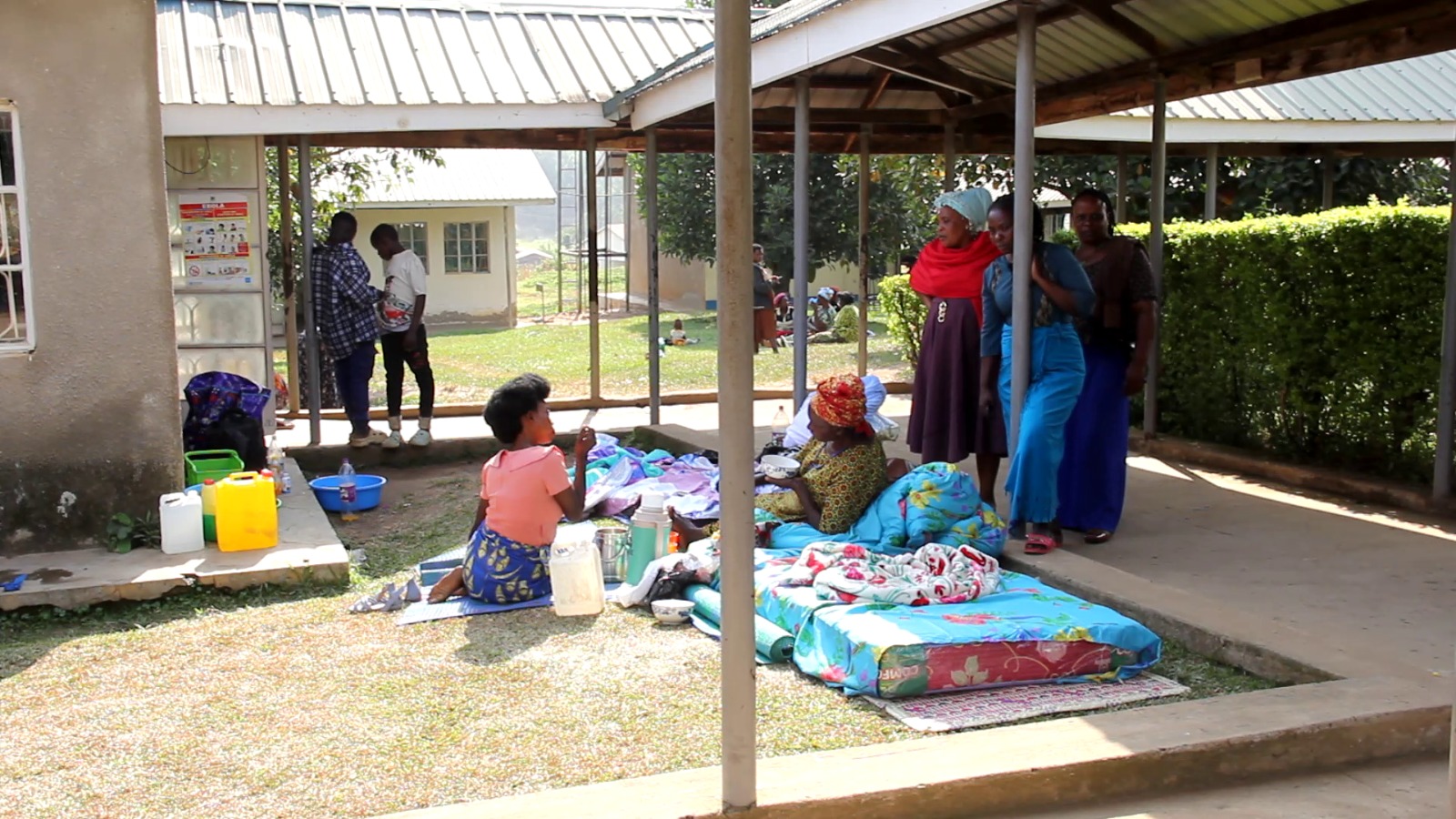
When Kitagwenda District was created in 2019 after being carved out of Kamwenge District, residents hoped the new administrative status would bring government services closer, especially healthcare.
Seven years later, many say that expectation remains unfulfilled.
The district still has no general hospital, leaving thousands of residents travelling long distances to access specialised medical services.
Some communities report walking between 15 and 20 kilometres to reach the nearest public health facility.
With an estimated population of about 200,000 people spread across 13 sub-counties and town councils, and 53 parishes, Kitagwenda’s healthcare network remains limited.
Only four sub-counties have Health Centre IIIs, while another four are served by Health Centre IIs. Several areas have no government health facility, forcing residents to depend on distant centres or private providers they often cannot afford.
Ntara Health Centre IV is currently the highest-level public health facility in the district, but its capacity remains limited.
Patients requiring major surgery, specialist consultations, advanced diagnostic services or blood transfusions are often referred to hospitals in Kamwenge, Ibanda, Fort Portal and Mbarara.
For residents, the referrals come with financial and logistical challenges that can delay treatment and, in some cases, cost lives.
For Christine Aturinda, a resident of Nyabanni Sub-county, seeking healthcare often means walking for hours.
“When our children fall sick at night, we have nowhere nearby to take them. We walk for many kilometres before reaching a health facility. Sometimes we are forced to hire motorcycles we cannot afford, while others simply remain at home hoping the patient recovers,” Aturinda said.
Dorcus Ainomugisha from Kicheche Sub-county says the challenge is particularly difficult for vulnerable groups.
“People here travel between 15 and 20 kilometres to access treatment. Pregnant women, the elderly and children suffer the most because transport is expensive and health facilities are too far away,” she said.
Kitagwenda District Health Officer Dr Irene Kahimakazi says the absence of a district hospital remains the biggest obstacle facing healthcare delivery in the area.
“Our biggest challenge is the absence of a district hospital. Ntara Health Centre IV provides emergency and essential healthcare services, but its capacity is limited. Many complicated cases have to be referred to other districts because we do not have the facilities or specialists to manage them,” Dr Kahimakazi said.
She said the district has repeatedly asked the Ministry of Health to upgrade Ntara Health Centre IV into a district hospital while expanding lower-level health facilities in underserved areas.
“We have submitted several requests to the Ministry of Health. Upgrading Ntara Health Centre IV and expanding lower-level health facilities would significantly reduce referrals, improve emergency response and bring specialised healthcare services closer to our communities,” she added.
Kitagwenda District Chairperson Ephrance Kenyonyozi said inadequate healthcare infrastructure continues to affect residents, particularly mothers and children.
She recalled the death of an expectant mother and her unborn child, saying the incident highlighted the dangers caused by delays in accessing emergency care.
“We have lost lives that could have been saved if services were available closer to the people. I still recall the unfortunate incident when an expectant mother and her unborn child died, a tragedy that highlighted the challenges our residents face in accessing timely and quality healthcare,” Kenyonyozi said.
“This is why we continue to appeal to the government to establish a district hospital and expand health facilities across the district,” she added.
Kitagwenda District Chief Administrative Officer Moses RK Dalili said the district has met its administrative obligations and continues to engage the relevant government ministries over the matter.
“As a district, we have done what is required of us administratively and continue engaging the responsible ministries. The need for a district hospital is evident, and we remain hopeful that the government will respond positively to our request,” Dalili said.
He added that the district already meets the population threshold required for a district hospital.
“Kitagwenda already qualifies for a district hospital based on its population. According to the most recent population census, the district has about 200,000 people, and that population deserves access to comprehensive healthcare services within the district,” Dalili said.
Uganda’s healthcare system is structured around a referral network where district hospitals are expected to provide comprehensive inpatient care, surgical services, maternity services and emergency treatment, supported by lower-level health centres.
Health experts say strengthening primary healthcare infrastructure reduces preventable deaths, improves maternal and child health outcomes and reduces pressure on regional referral hospitals.
However, for many Kitagwenda residents, healthcare remains a journey defined by distance, cost and uncertainty.
They believe establishing a district hospital and expanding health centres would fulfil one of the key promises of district creation — bringing essential services closer to the people.
Until that happens, many residents say they will continue making long and expensive trips in search of care.
