
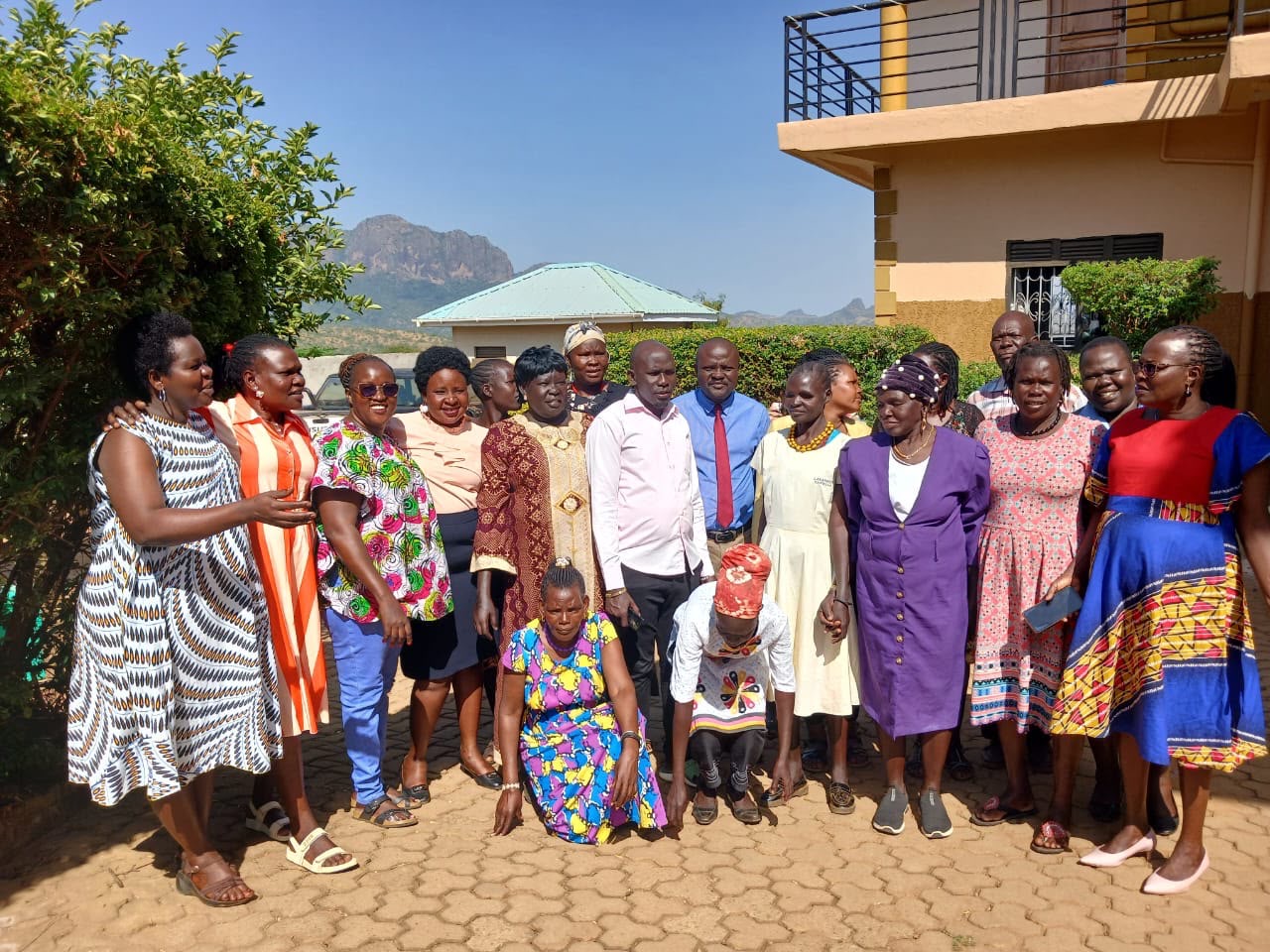
Women leaders in Nakapiripirit District have undergone a three-day leadership training aimed at strengthening their capacity to champion gender-responsive governance, accountability, and inclusive decision-making.
The training brought together 15 district women councillors, the Clerk to Council, and the Speaker of Nakapiripirit District Council.
The programme was organised by the Women Integrated Development and Empowerment Agency (WIDEA) in partnership with the Forum for Women in Democracy (FOWODE), with funding from the Danish Embassy, the Netherlands, Sweden, and the Embassy of Ireland.
Speaking during the training, WIDEA Executive Director Susan Talep said the initiative was designed to strengthen women-led accountability and improve the effectiveness of women leaders in public office.
“The training is aimed at improving women-led accountability for gender-responsive service delivery, promoting inclusive legislative processes, and enhancing the leadership and advocacy skills of women leaders for collective and sustained advocacy,” Talep said.
She encouraged participants to remain committed to continuous learning and apply the knowledge gained to improve their leadership roles.
Talep added that the programme seeks to ensure women’s voices, priorities, and interests are reflected in district development plans and budgets.
FOWODE Karamoja Regional Project Coordinator Dorothy Chegem said many of the participants were newly elected councillors who required orientation on their legislative responsibilities and oversight roles.
“Most of the councillors we trained are newly elected and had capacity gaps. We trained them on how to move motions, formulate district ordinances and bylaws, and effectively execute their oversight role,” Chegem said.
She noted that strengthening the capacity of women leaders is essential in ensuring they effectively represent their communities and participate in decision-making processes.
Nakapiripirit District Deputy Speaker Agnes Lokure said the training had equipped participants with practical leadership skills while also encouraging unity among women leaders.
“I have greatly benefited from this training. We have now formed a caucus that will bring women councillors together to discuss and address issues affecting women in our district,” Lokure said.
Agnes Korobe, the District Councillor representing Kawach Sub-county, said one of the key lessons from the training was the importance of teamwork in addressing community challenges.
“My biggest takeaway is learning to work together to solve common problems affecting our communities,” Korobe said.
Organisers expressed optimism that the training will strengthen women’s participation in local governance and improve service delivery through more inclusive planning, budgeting, and legislation in Nakapiripirit District.
