
KAMPALA — The ruling National Resistance Movement (NRM) has intensified grassroots mobilisation ahead of the July 28 Local Council I (LC1) elections, expressing confidence that its extensive village structures will play a decisive role in securing victory across the country.
NRM Secretary General Richard Todwong said the party has completed the election of its LC1 flag bearers following what he described as a highly competitive internal exercise.
He congratulated the successful candidates and said the party's focus has now shifted to ensuring they win the national elections.
"We already have flag bearers who were elected. The competition was very tough, and I congratulate those who emerged as winners. I believe in the same spirit there will be people who will be voted for on the 28th when we are electing LC1 chairpersons," Todwong said.
He said the party would rely on its established grassroots structures to mobilise support for its candidates in villages across the country.
"Our strength has always been our structures right from the village level. These are the people who know every household and every voter. They will be at the forefront of mobilising support for our flag bearers ahead of the LC1 elections," Todwong said.
"We are confident that with these structures working together, our candidates will secure victory on polling day. We shall not discuss our strategies in the media, but our grassroots network is fully prepared for the task," he added.
His remarks come after the Electoral Commission concluded the village registration exercise. The commission is also concluding a two-day display of the village voters' register, which began on July 13 and ends on July 14, allowing voters to verify their particulars and identify any errors before polling day.
Todwong declined to reveal the party's detailed campaign strategy, saying the NRM would keep its mobilisation plans internal.
"We will not discuss strategies in the media, but as you know, there is a strategy for every election," he said.
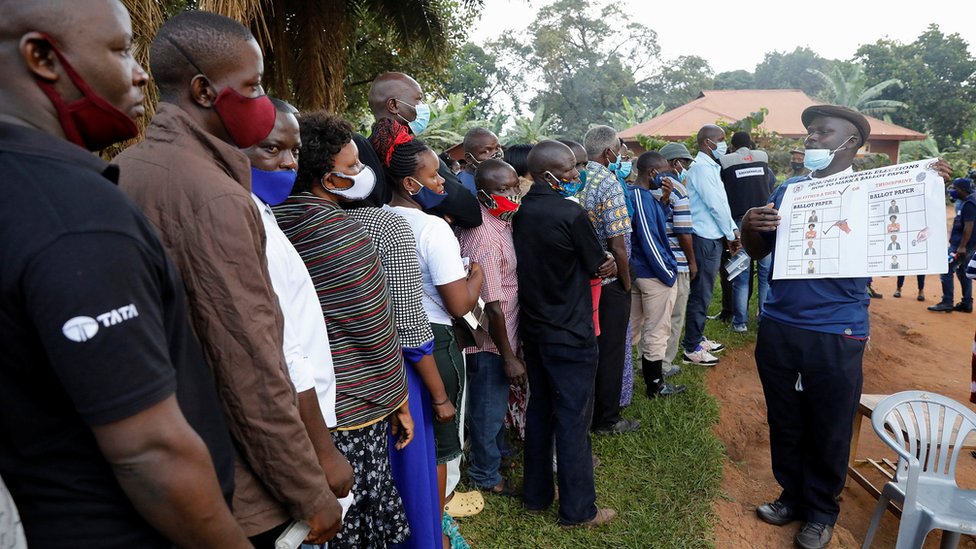
The LC1 elections are scheduled for July 28 and will be conducted in more than 72,000 villages across Uganda using the lining-up voting method.
