
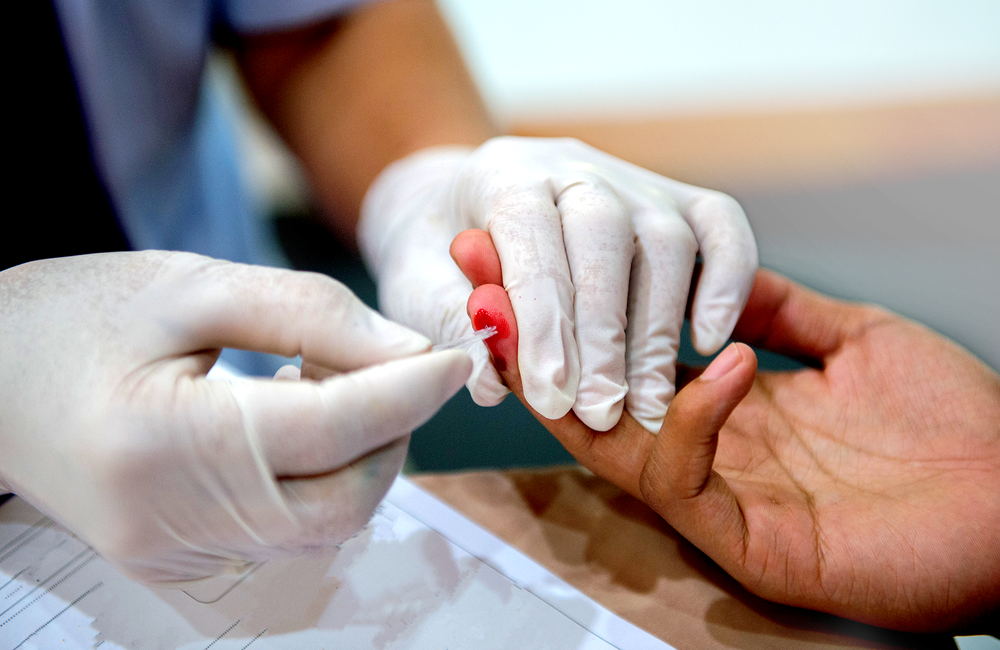
With five years left to Uganda's target of ending HIV/Aids as a public health threat, universities have come under renewed scrutiny over their role in preventing new infections among young people.
Despite years of investment and expanded programmes aimed at controlling the epidemic, health officials warn that students remain among the groups vulnerable to HIV due to risky sexual behaviours, limited access to prevention services and gaps in awareness.
A key concern is whether universities are complying with the national HIV policy requirement to allocate 0.1% of their budgets towards HIV prevention initiatives targeting staff, students and surrounding communities.
Institutions that fail to set aside the required funds are not meeting the national policy, according to health officials.
At Kyambogo University, student leaders say they have introduced several initiatives aimed at protecting students, including medical camps that provide HIV testing services and distribute condoms.
Kyambogo University Guild President Edward Agaba said while interventions are ongoing, some students continue to engage in behaviours that expose them to infection.
"Interventions are being undertaken, but some university students are struggling to take care of themselves by engaging in risky sexual behaviours. We implore them to practice safe sex and, most importantly, know their status," Agaba said.
At Makerere University, student leaders say they are also working with the university hospital to strengthen HIV prevention campaigns.
Makerere University Guild Health Minister Ebenezer Wamezaya said the institution plans to organise a health week that will provide free HIV testing services and distribute preventive materials to students.
"Together with the university hospital, we are planning to organise a health week and from that, we will offer free testing services and also issue protections to our students to ensure that they are safe," Wamezaya said.
He added that the university is promoting peer education programmes to encourage open conversations among students about sexual and reproductive health.
"Peer education will enable students to freely share about their sex life and other things related to sexual and reproductive health," he said.
Beyond individual university initiatives, health organisations have also stepped up efforts to engage students through forums and awareness campaigns.
The Executive Director of Reproductive Health Uganda, Jackson Chekweko, said involving young people directly is critical in changing behaviours and improving access to accurate information.
"At Reproductive Health Uganda, we engage directly with these young people. We have an online radio that mainly shares sexual and reproductive health topics, and the hosts are young people. This helps them easily engage with their peers," Chekweko said.
He said the organisation also holds annual inter-university dialogues that bring students together to discuss sexual and reproductive health challenges and possible solutions.
The Uganda AIDS Commission says universities must take greater responsibility by establishing strong HIV prevention programmes before seeking external support.
Dr Daniel Byamukama, head of HIV Prevention at the commission, said institutions should create initiatives that educate students on prevention methods and promote responsible behaviour.
A 2024 report by the Uganda AIDS Commission indicated that more than 5,000 new HIV infections occurred among young people aged between 15 and 24 years.
Byamukama said the commission is ready to support universities but warned that institutions must first comply with national requirements, including allocating resources towards HIV prevention.
"Universities should set up measures first and then reach out to us, and we will give them support. We are ready to help and contribute to this fight, but universities should not fail the national policy of setting aside the 0.1% of their budget to HIV prevention measures for their staff, students and neighbouring communities," he said.
As Uganda moves closer to its 2030 HIV elimination goal, health experts say young people must take greater responsibility for their health by knowing their HIV status, practising safe sex or abstaining.
They argue that sustained prevention efforts among university students will be critical in reducing new infections and HIV-related deaths.
