
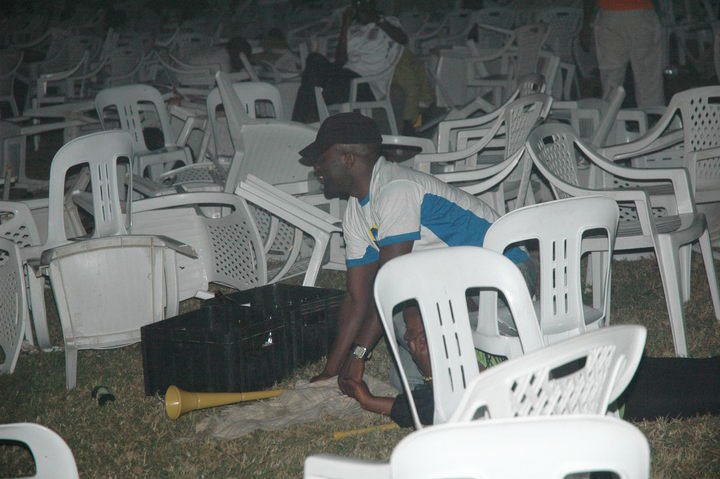
On July 11, 2010, Uganda endured one of the deadliest terrorist attacks in its history when twin bomb blasts ripped through crowds watching the FIFA World Cup final between Spain and the Netherlands, killing 76 people and injuring more than 70 others.
The attacks targeted two popular viewing venues in Kampala — Kyadondo Rugby Club in Nakawa and the Ethiopian Village Restaurant in Kabalagala — where hundreds of football fans had gathered to watch the tournament’s final match.
Minutes before the final whistle, celebrations turned into horror as explosions tore through the two locations almost simultaneously. Among those killed were Ugandans, as well as citizens from Kenya, the United States and Ireland.
The attacks were later claimed by the Somali militant group al-Shabaab, which said they were retaliation for Uganda’s deployment of troops under the African Union Mission in Somalia (AMISOM).
The Uganda People’s Defence Forces (UPDF) had been a key contributor to the mission, supporting efforts to stabilise Somalia and fight extremist groups.
The investigation into the bombings became one of Uganda’s most complex counter-terrorism cases, involving suspects and evidence traced across several East African countries. The prosecution suffered a major setback in 2015 when lead prosecutor Joan Kagezi was assassinated.
Despite the challenges, Uganda’s International Crimes Division of the High Court delivered its verdict in 2016, convicting seven people linked to the attacks. Five were sentenced to life imprisonment, while two others received 50-year jail terms.
The July 11 bombings transformed Uganda’s security landscape. Authorities introduced tighter screening procedures at public gatherings, entertainment venues and major events, while intelligence and counter-terrorism operations were expanded.
The threat of terrorism returned to the centre of national attention in November 2021 when Kampala was hit by coordinated suicide bombings blamed on the Allied Democratic Forces (ADF). The attacks later contributed to the launch of Operation Shujaa, a joint Uganda-Democratic Republic of Congo military campaign targeting ADF bases.
Sixteen years later, the July 11 bombings remain etched in Uganda’s national memory. The increased security presence at public places and continued counter-terrorism efforts stand as reminders of the lives lost and the country’s ongoing struggle against extremist violence.
