
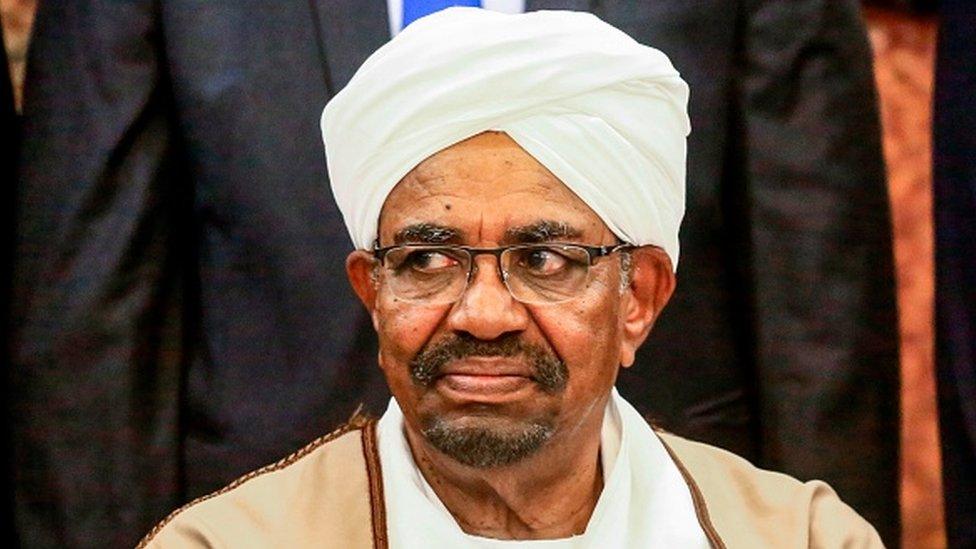
On this day in 2009, Uganda publicly reaffirmed its commitment to the International Criminal Court (ICC) as African leaders debated whether to cooperate with the arrest warrant issued against Sudanese President Omar al-Bashir.
The statement by Uganda’s Ministry of Foreign Affairs came days after an African Union summit in Sirte, Libya, where member states resolved not to cooperate with Bashir’s arrest despite their obligations under the Rome Statute, the treaty that established the ICC.
Uganda said it remained committed to the ICC but supported the African Union’s call for the United Nations Security Council to defer Bashir’s case for 12 months under Article 16 of the Rome Statute.
The debate followed the ICC’s March 2009 decision to issue an arrest warrant for Bashir over alleged war crimes and crimes against humanity linked to the conflict in Sudan’s Darfur region.
Uganda’s position placed Kampala at the centre of a major diplomatic dispute. The country had been among the early supporters of the ICC and had referred the Lord’s Resistance Army (LRA) situation to the court in 2003, making it the first state referral in ICC history.
Foreign Affairs Minister Sam Kutesa said the African Union’s position was based on concerns about the timing and implications of prosecuting a sitting head of state rather than a rejection of the ICC system itself.
The controversy intensified after reports that Bashir was expected to visit Uganda later in 2009, raising questions over whether Kampala would be required to arrest him if he entered the country.
Bashir eventually cancelled the planned visit, avoiding a diplomatic confrontation over whether Uganda would enforce the ICC warrant.
However, he later travelled to Uganda twice while the arrest warrants remained active.
In 2016, Bashir attended President Yoweri Museveni’s swearing-in ceremony in Kampala. During the event, Museveni criticised the ICC, prompting some Western diplomats to leave the ceremony in protest.
In 2017, Bashir returned to Uganda for a three-day state visit focused on trade and regional cooperation, despite continued calls from human rights groups and international actors for his arrest.
The episode remains one of the most notable moments in Uganda’s relationship with the ICC, reflecting the difficult balance between international legal obligations, regional diplomacy and African leaders’ concerns over the court’s handling of cases involving sitting heads of state.
