
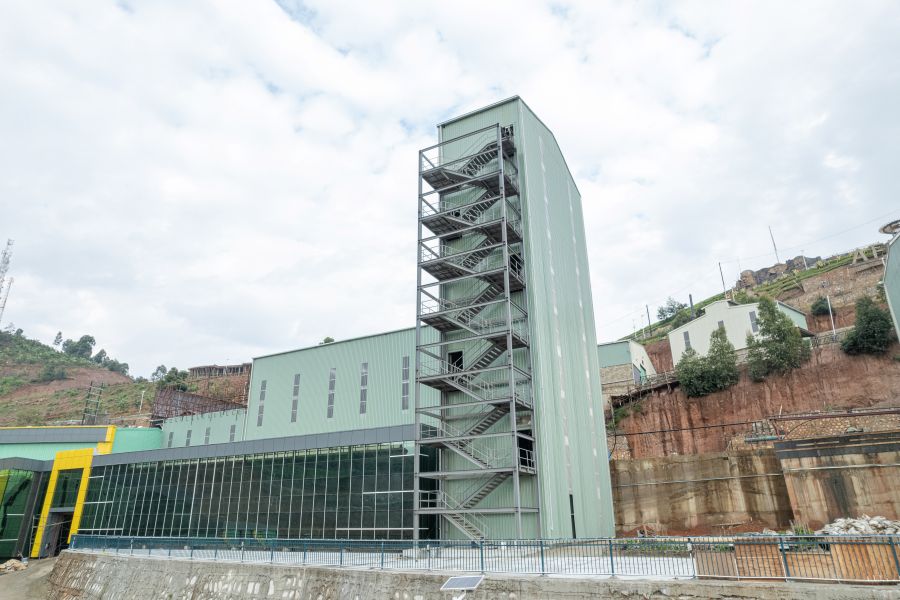
As Uganda's demand for industrial, commercial and public infrastructure continues to grow, developers are increasingly exploring construction methods that can reduce project timelines, control costs and improve efficiency.
One of the technologies gaining attention is the use of pre-engineered buildings (PEBs), which involve designing and manufacturing building components in a controlled factory environment before assembling them on site.
Unlike conventional brick-and-mortar construction, which can take several months or years depending on project complexity, pre-engineered structures can significantly shorten completion timelines.
Uganda Baati, one of the country's leading steel manufacturers, has renewed focus on its SAFBUILD Pre-Engineered Building solution, citing the growing need for faster and more predictable construction approaches.
The company says the technology can allow some projects to be completed within about 12 weeks, compared to traditional methods that often involve longer construction periods due to material sourcing, labour requirements and weather-related delays.
Uganda Baati Chief Executive Officer, George Arodi said the changing business environment has made time a critical factor in construction.
"In construction, time is money. Every extra month spent building is a missed opportunity to start generating value," Arodi said.
Pre-engineered buildings are designed using digital engineering tools, with structural components manufactured in factories under controlled conditions before being transported for assembly.
Industry experts say the approach reduces material wastage, improves quality control and gives developers greater certainty on project costs and timelines.
Globally, the adoption of pre-engineered building systems has been increasing as businesses seek flexible and scalable construction solutions. The approach is particularly common in industrial facilities, warehouses, commercial spaces and institutional buildings where speed of completion is a major consideration.
In Uganda, pre-engineered building systems have been applied in various projects, including industrial facilities such as the Inspire Africa Coffee Park, institutional facilities including Mountains of the Moon University, and visitor centres developed for the Uganda Wildlife Authority.
Proponents of the technology argue that faster construction can help businesses occupy facilities sooner, improve investment returns and support economic activities.
As urbanisation and industrialisation accelerate, stakeholders say modern construction technologies will play a growing role in meeting Uganda's infrastructure needs.
The shift towards pre-engineered buildings reflects a broader change in the construction industry, where efficiency, sustainability and project certainty are becoming increasingly important considerations for developers and investors.
