
Parents have been urged to abandon harmful traditional beliefs surrounding "false teeth," commonly known as ebinnyo, with medical experts warning that the unnecessary removal of healthy teeth in infants can lead to severe complications and even death.
Speaking during an interview on NBS TV's Amasengejje Ekyooto programme, paediatrician Dr Judith Nalukwago dismissed the long-held belief that fever, diarrhoea, vomiting, refusal to breastfeed and other childhood illnesses are caused by so-called false teeth.
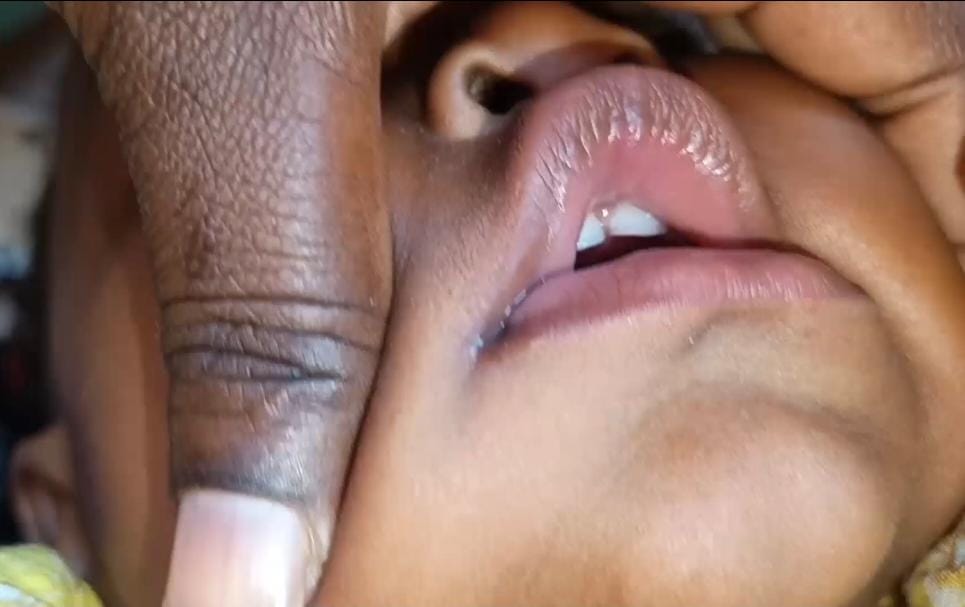
She explained that there is no recognised medical condition known as "false tooth disease," noting that what many communities mistake for false teeth are simply normal baby teeth that erupt earlier than expected.
"Every baby is normally born without visible teeth, and most begin teething at around six months. However, some babies are born with teeth, while others develop them within the first few weeks of life. This is simply an early eruption of normal teeth and not a disease," Dr. Nalukwago said.
For generations, many families have sought traditional healers whenever babies develop persistent fever or diarrhoea, believing the symptoms are caused by false teeth.
In many cases, the healers cut or scrape babies' gums in an attempt to remove the alleged teeth, a practice health experts say exposes infants to life-threatening infections, excessive bleeding and delays in receiving appropriate medical treatment.
Dr. Nalukwago said early teeth, medically known as natal or neonatal teeth, may appear yellowish, unusually shaped, loosely attached or even occur as extra teeth. She stressed that these variations are not diseases.
"Some babies are born with teeth while others develop them shortly after birth. These are normal teeth that have erupted earlier than usual. Parents should not panic or seek traditional treatment," she said.
She cautioned that loose early teeth should only be examined by qualified health professionals because they can detach and pose a choking hazard.
"If a tooth is loose, it should be assessed and, where necessary, removed by a qualified health worker because the baby may swallow or choke on it and even lose consciousness," she explained.
The paediatrician added that in some cases, early teeth may have sharp edges that injure a baby's tongue, making breastfeeding painful.
Where such complications arise, doctors may recommend removing the tooth. However, if the tooth is firmly attached and causes no problems, it should be left untouched.
"If the tooth is stable and does not interfere with feeding or injure the baby or the mother, there is no reason to remove it. It is simply a normal tooth that came out earlier than expected," Dr Nalukwago said.
She further explained that children normally develop 20 primary (milk) teeth, although some may naturally have an extra tooth, which can explain why one appears unusually early.
Health experts are urging parents to seek medical care whenever they notice teeth in newborns or when babies develop fever, diarrhoea or feeding difficulties instead of resorting to traditional practices.
They warn that such symptoms may indicate infections or other illnesses requiring proper diagnosis and treatment rather than the removal of healthy teeth based on long-held myths.
Medical professionals say increasing public awareness about early teething will help protect children from preventable injuries, discourage harmful traditional practices and ensure that infants receive appropriate healthcare during the earliest stages of life.
