
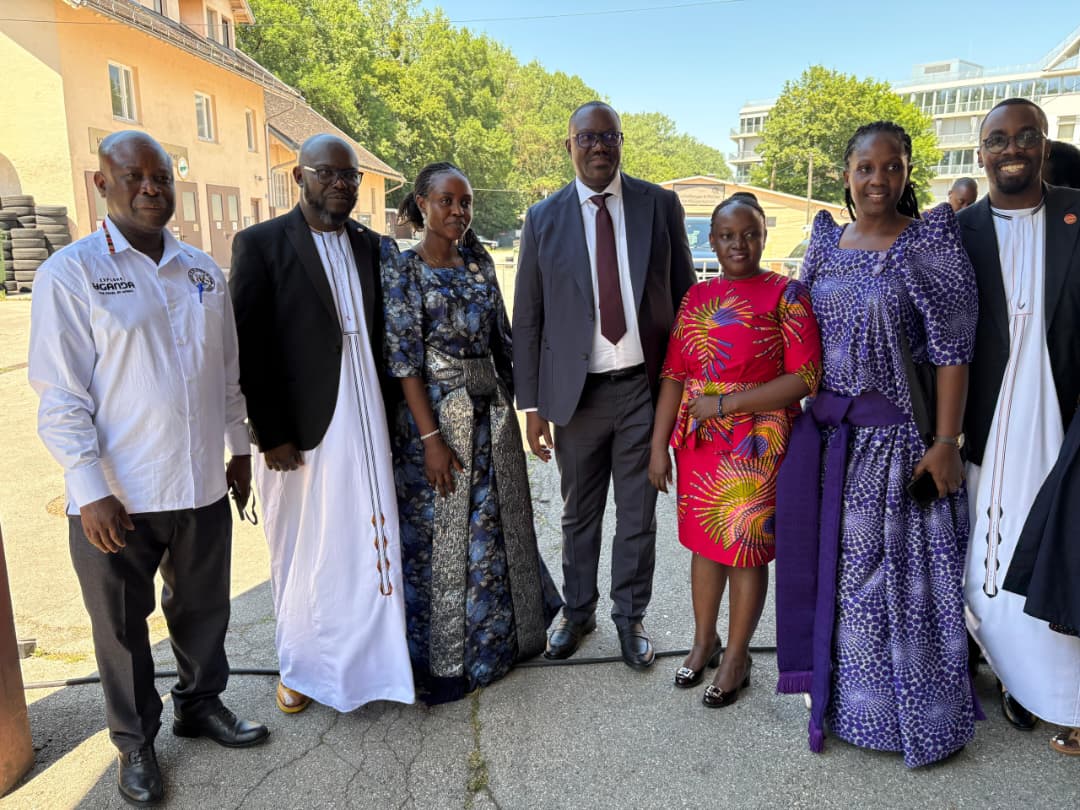
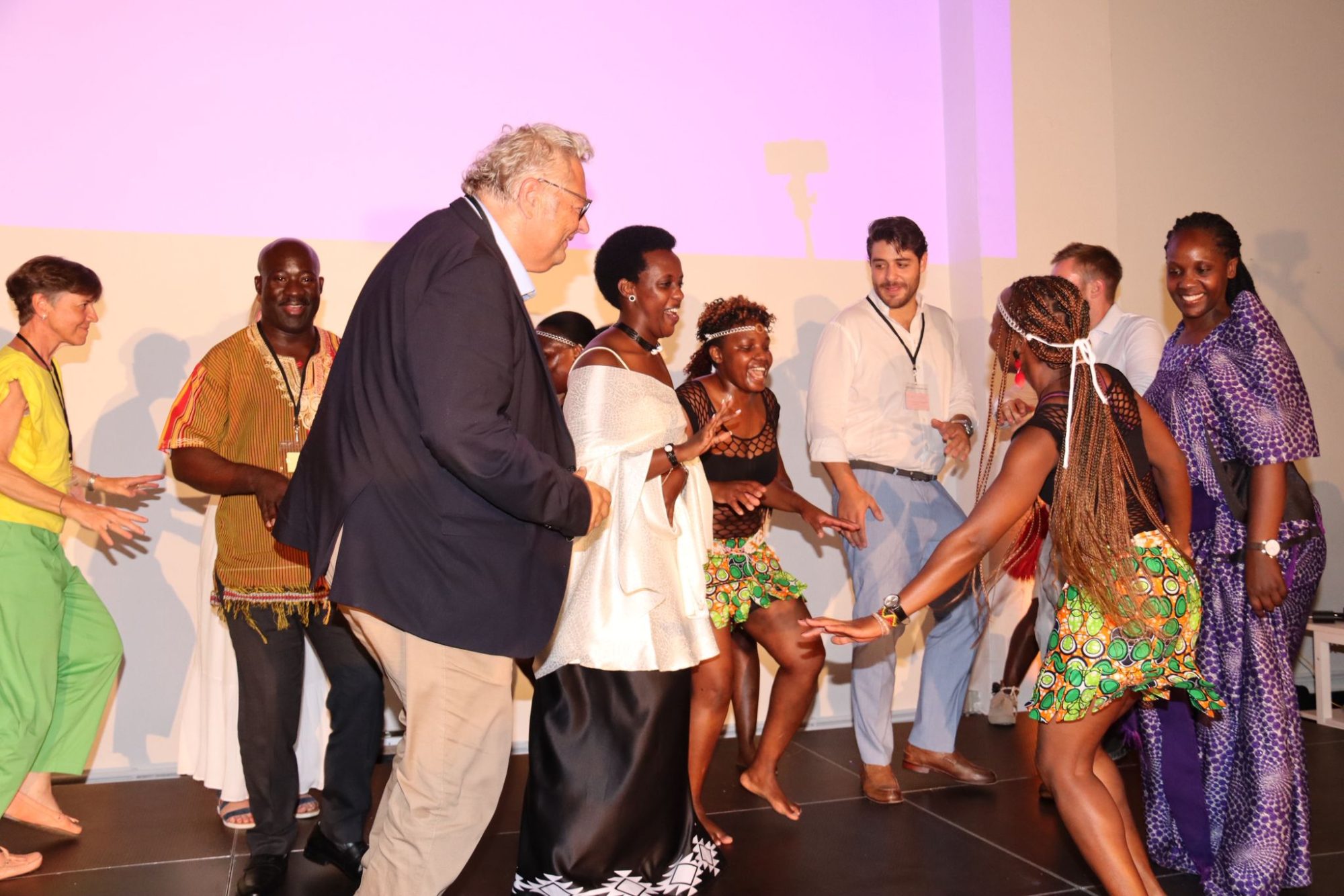
Uganda has opened its first cultural and tourism festival in Germany, a three-day event in Munich that organisers describe as the largest Ugandan public gathering held in the country to date.
The festival opened with traditional drumming, drawing Ugandans from across Germany and continental Europe alongside German officials, business figures and members of the public encountering Ugandan culture for the first time.
Beyond performances of music and dance and a food and fashion showcase, the event includes a business forum aimed at diaspora entrepreneurs and German investors.
Mr Vincent Bagiire Waiswa, Permanent Secretary at Uganda's Ministry of Foreign Affairs, opened the festival, saying the partnership with Germany was intended to promote "mutual learning through the exchange of best practices and experiences."
He framed the inaugural festival as part of a broader effort to deepen ties with Germany beyond traditional development cooperation, opening new avenues in tourism, trade and investment.
Ms Mariam Ataho, the President's private secretary for culture and music affairs, read out an exclusive message from President Museveni.
In it, the president reflected on a collection of 127 traditional songs and poems composed by the Banyankore-Bahororo and other communities of Uganda's Great Lakes region, describing the works as predating colonial rule and touching on themes including love, wealth, drought and war.
He said the music had been suppressed for decades amid the spread of Christianity and Islam before being revived — including during his time in the Luwero Triangle in the 1980s — and urged Ugandans abroad to "enjoy part of your ancient heritage."
Paying tribute to those who helped preserve the tradition, he described the music as "superior to anything I have ever had an opportunity to listen to."
Uganda's ambassador to Germany, Stephen Mubiru, said the festival marked the first time the embassy had brought together the country's "culture, tourism potential, business opportunities and diaspora community" under one platform.
He noted that Uganda is home to more than fifty-six indigenous communities and praised the contribution of the diaspora, whose remittances, investment and entrepreneurship, he said, made its members "ambassadors of our nation every day."
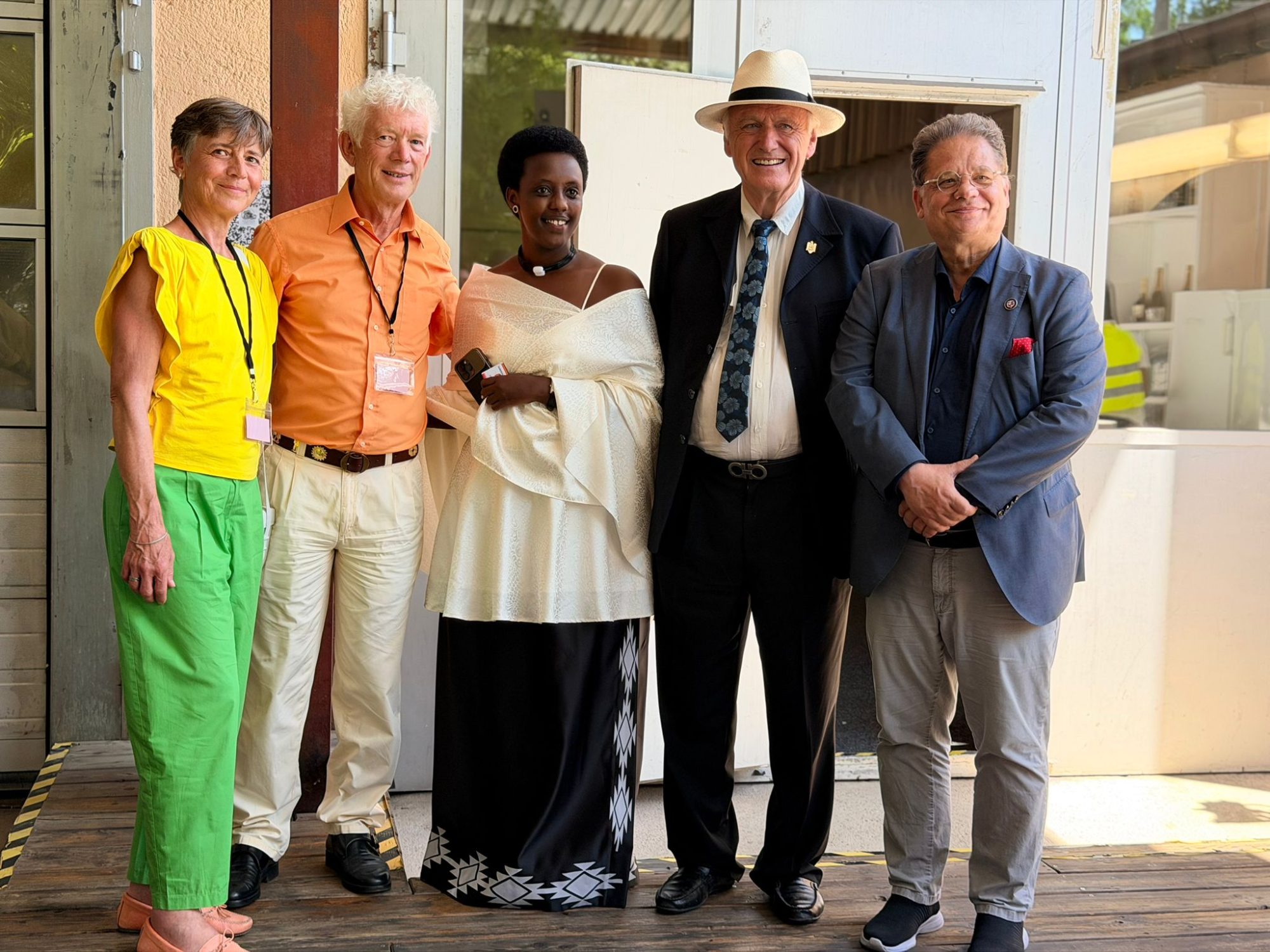
A member of the Bavarian state parliament, Mr Alexander Dorow, addressed the festival on behalf of the regional government, pointing to the Gulu City Oktoberfest — a Ugandan event modelled on Bavaria's own beer festival — as evidence of cultural exchange already under way between the two regions.
The Munich festival follows a tourism roadshow held two days earlier in Düsseldorf, where Ugandan officials pitched gorilla trekking and wildlife safaris directly to German tour operators.
Embassy Second Secretary Ms Jessica Namuddu told that gathering that tourism served as "a bridge for cultural exchange and people-to-people connectivity" between the two countries.
Uganda Tourism Board officials, including marketing manager Mr Francis Nyende Hatinda and tourism development commissioner Ms Vivian Lyazzi, held a series of meetings with German tour operators aimed at expanding Uganda-focused travel packages.
Germany ranks among Uganda's top source markets for international visitors, alongside the United States, the United Kingdom and several East African neighbours, although officials did not provide updated visitor figures and acknowledged that European arrivals remain a relatively small share of overall tourism numbers.
Diplomatic relations between the two countries date back to 1962 — a relationship Berlin has described as characterised by stability and trust — with German development cooperation focused on renewable energy, agriculture and the protection of Lake Victoria's water resources.
Bilateral trade between Uganda and Germany was valued at approximately $335 million in 2024. Coffee, tea and fish dominate Uganda's exports to Germany, while machinery and chemical products make up the bulk of its imports.
Under the European Union's Everything but Arms scheme, Ugandan exports already enter the German market duty-free and quota-free, with the exception of armaments — a position officials say they hope to leverage in attracting greater German tourism and investment.
The Munich event forms part of a wider Ugandan diplomatic push that has included similar promotional events in recent weeks in Paris and Turkey, as the country competes with Tanzania, Rwanda, Morocco, Egypt and others for a larger share of high-spending German and European travellers.
Tourism remains one of the pillars of Uganda's economic strategy. According to the Ministry of Tourism, Wildlife and Antiquities, the sector now accounts for nearly six per cent of national output and supports more than 870,000 jobs.
International arrivals reached 1.65 million last year, up from 1.3 million the previous year, with earnings climbing to roughly $1.7 billion.
Tourism sits alongside agro-industrialisation, minerals, and science and technology as one of four pillars under the government's strategy to grow the economy tenfold by 2040, known as the ATMS agenda.
According to officials, the Munich festival as part of a broader effort run through the Ministry of Foreign Affairs' Economic and Commercial Diplomacy Strategy, under which Ugandan embassies abroad are being repositioned as active marketing posts for trade, tourism and investment.
