
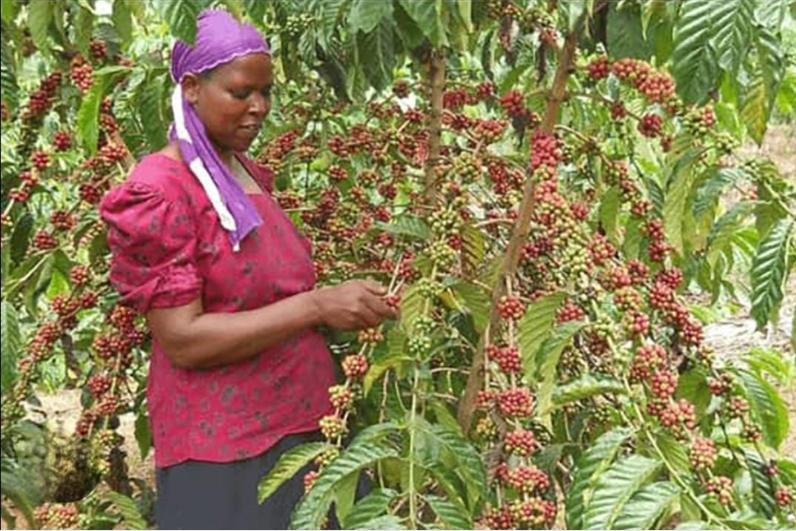
The government has intensified efforts to stop the destruction of forests for coffee cultivation, warning that the practice threatens environmental conservation and Uganda’s lucrative coffee export market.
The renewed campaign follows increasing cases of farmers clearing forest land to establish coffee plantations despite national laws protecting forests and other natural ecosystems.
Authorities say that while coffee remains one of Uganda’s most important cash crops and a major source of income for millions of households, its expansion must be carried out sustainably without compromising the environment.
The campaign comes amid the introduction of stricter regulations by European markets restricting the importation of coffee grown on recently deforested land.
The measures are aimed at reducing global deforestation and promoting sustainable agricultural practices.
With Europe among Uganda’s largest coffee export destinations, officials warn that failure to comply with the new requirements could affect the country’s access to international markets.
To address the challenge, the German development agency GIZ, through the non-governmental organisation CAFE AFRICA, has launched a nationwide awareness campaign to educate communities about the dangers of clearing forests for coffee production.
As part of the initiative, CAFE AFRICA brought together district leaders, religious leaders, farmers and agricultural stakeholders in Mityana District to discuss ways of conserving forests while promoting sustainable coffee farming.
The meeting, held at Mityana Municipality headquarters, focused on empowering community leaders to become champions of environmental protection in their respective areas.
Speaking during the workshop, CAFE AFRICA Communications Officer Moses Mugume said Uganda must strike a balance between agricultural development and environmental conservation.
“Coffee is an important source of income, but destroying forests to grow it is not sustainable. We must protect our natural resources while maintaining access to international markets,” Mugume said.
He urged stakeholders to educate farmers about the long-term consequences of deforestation and encourage them to adopt environmentally friendly farming practices.
Mityana District leaders called on residents to comply with environmental laws and avoid activities that could undermine Uganda’s coffee sector.
The district Secretary for Production, Animal Industry and Fisheries, Jackline Nampijja, warned that coffee grown on illegally cleared forest land could lose access to international markets.
“Farmers must understand that coffee planted in protected forests may not have a market in the future. We need to protect our environment while securing our economic interests,” Nampijja said.
She encouraged local leaders to continue sensitising communities about the new international coffee trade requirements.
Mityana District Vice Chairperson Sarah Ssentamu pledged the district’s support towards environmental conservation initiatives and called for more awareness programmes at sub-county and parish levels.
“The fight against deforestation requires collective effort. We are ready to work with CAFE AFRICA and other partners to ensure communities understand the importance of preserving forests,” Ssentamu said.
Deputy Chief Administrative Officer Jackson Byaruhanga urged farmers to continue growing coffee responsibly and in accordance with environmental regulations.
“Coffee remains one of Uganda’s most valuable crops and contributes significantly to household incomes and the national economy. However, production must be carried out legally and sustainably,” Byaruhanga said.
Officials said the campaign is intended not only to protect Uganda’s forests but also to safeguard the country’s position in the global coffee market.
As demand for environmentally sustainable products increases worldwide, stakeholders believe responsible farming and forest conservation will be critical in keeping Uganda’s coffee industry competitive for future generations.
