
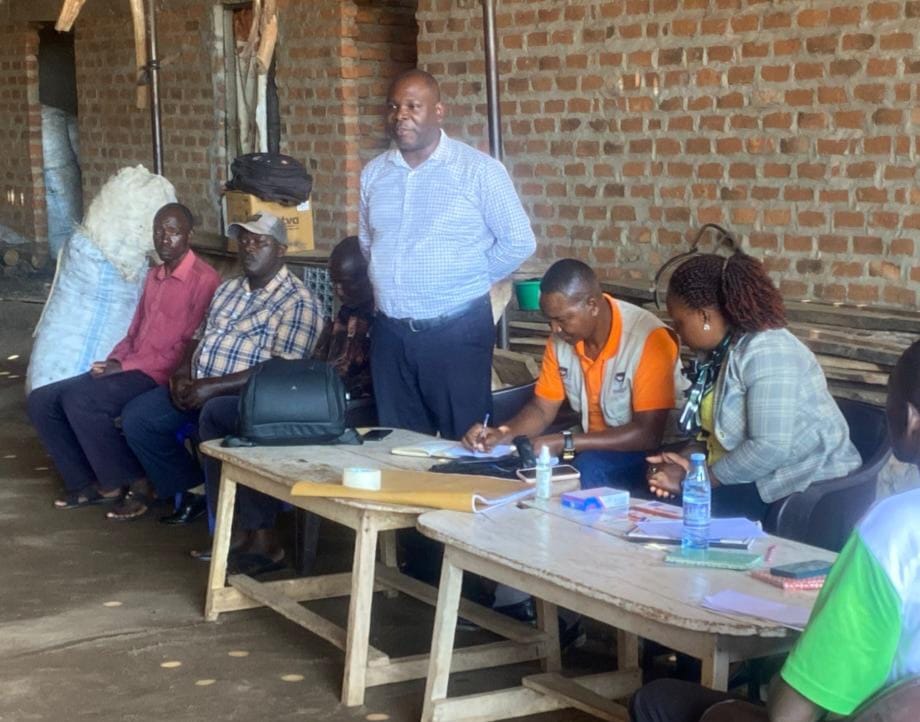
Residents of Kayunga District are increasingly concerned about rising cases of bilharzia, a waterborne parasitic disease that health officials say is spreading across communities, especially among those living near water bodies.
The alarm follows a letter from residents of Busaana Sub-county to district leaders, in which they highlighted the growing burden of the disease and called for urgent government intervention to contain its spread.
Kayunga District Malaria Focal Person, Isaac Kakungulu, confirmed that bilharzia has become a significant public health concern in the district, largely due to the absence of regular mass treatment campaigns.
“There is a serious bilharzia threat in Kayunga District. The last mass treatment exercise was conducted in 2023, and since then we have not received sufficient funding to continue the fight against the disease,” Kakungulu said.
He explained that many residents continue to depend on rivers, lakes and wetlands for domestic use, exposing them to contaminated water where the parasites that cause bilharzia thrive.
According to Kakungulu, the disease continues to spread in several communities, leaving many residents vulnerable to infection.
“The spread of bilharzia continues across the district, and many people are now grappling with the disease. Without regular treatment and increased awareness, the situation may worsen,” he noted.
Health experts warn that bilharzia, also known as schistosomiasis, can cause severe complications if left untreated, including chronic abdominal pain, blood in urine or stool, liver damage and impaired growth in children.
Residents of Busaana have appealed to district authorities and the Ministry of Health to urgently supply medicines and revive mass treatment campaigns to prevent the situation from escalating into a wider public health crisis.
Local leaders have also called for intensified community sensitisation on preventive measures such as avoiding contact with contaminated water, improving sanitation, and seeking early treatment when symptoms appear.
Health officials say additional funding and government support are urgently needed to strengthen disease surveillance, treatment and prevention efforts across the district.
“We need immediate support to resume treatment programmes and protect our communities from further infections. The longer we delay, the greater the risk to public health,” Kakungulu emphasised.
The growing burden of bilharzia adds to the list of health challenges facing communities in Kayunga, with residents hoping urgent intervention will help curb the spread of the disease.
