
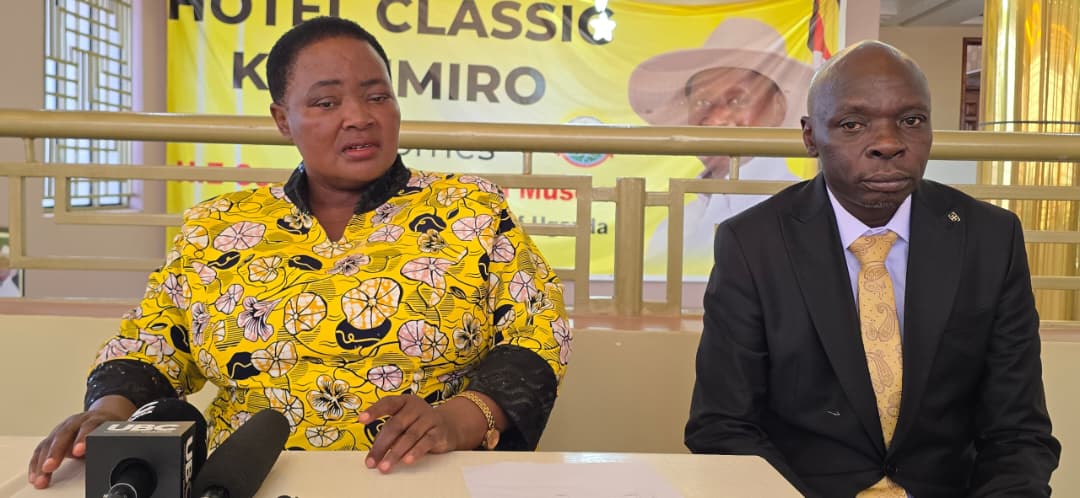
State Minister for ICT and National Guidance Alioni Odria has unveiled a new government strategy aimed at eliminating corruption, saying the vice must no longer be tolerated at any level of public service.
Odria made the remarks while meeting leaders from the Bunyoro Sub-region as part of a nationwide leadership orientation programme.
The initiative began in the region, which comprises eight districts and one city, and is intended to equip leaders with the skills and guidance needed to effectively carry out their duties.
Addressing the leaders, Minister Odria said the fight against corruption remains a key government priority and urged public officials to ensure that resources intended for citizens are protected.
“President Museveni has made it clear that corruption must be fought at every level. As leaders, we have a responsibility to ensure that public resources reach the intended beneficiaries and that corruption becomes a thing of the past in Uganda,” he said.
The minister announced that Resident District Commissioners (RDCs) and District Internal Security Officers (DISOs) will now be required to submit monthly reports detailing corruption cases and actions taken in their respective areas.
“RDCs and DISOs will be required to submit monthly reports highlighting corruption cases, actions taken, and the progress made in addressing the vice in their districts. Accountability must start with us,” Odria said.
He also revealed plans by the Ministry of ICT and National Guidance to roll out a new monitoring platform known as SWITCH Government, which he said would help strengthen transparency and identify corrupt practices within government structures.
“We are introducing the SWITCH Government system to strengthen transparency and accountability. This platform will help government track, expose and deal with corrupt individuals who undermine service delivery,” he said.
Uganda’s Prime Minister, Robinah Nabbanja, who officiated as chief guest at the orientation, called on leaders to promote patriotism and responsible citizenship.
“Patriotism is essential for national development. Our people must love their country, protect public resources and actively participate in programmes that improve their livelihoods,” Nabbanja said.
She added that the orientation programme would help improve leadership effectiveness and service delivery across the country.
“This orientation is equipping leaders with the knowledge and skills they need to effectively serve Ugandans. Better-informed leaders will deliver better services to the people,” she said.
Ismael Kibedi, who heads the programme at the ministry, said the training would be extended to leaders in other regions to strengthen understanding of government policies and responsibilities.
“Our objective is to reach leaders across the country and empower them with a clear understanding of their roles, responsibilities and the expectations government has of them,” Kibedi said.
Participants welcomed the initiative, saying it had enhanced their understanding of leadership responsibilities and government programmes.
“The training has been very informative. We now better understand our responsibilities and how to monitor government programmes for the benefit of our communities,” one participant said.
