JINJA — For generations, communities living along the shores of Lake Victoria have viewed water hyacinth as a costly environmental nuisance.
The invasive aquatic weed clogs waterways, blocks fishing routes, disrupts transport, depletes oxygen in the water and destroys fish breeding grounds, threatening the livelihoods of thousands who depend on Africa's largest lake.
But where many saw an environmental crisis, Sheila von Hoerner saw untapped potential.
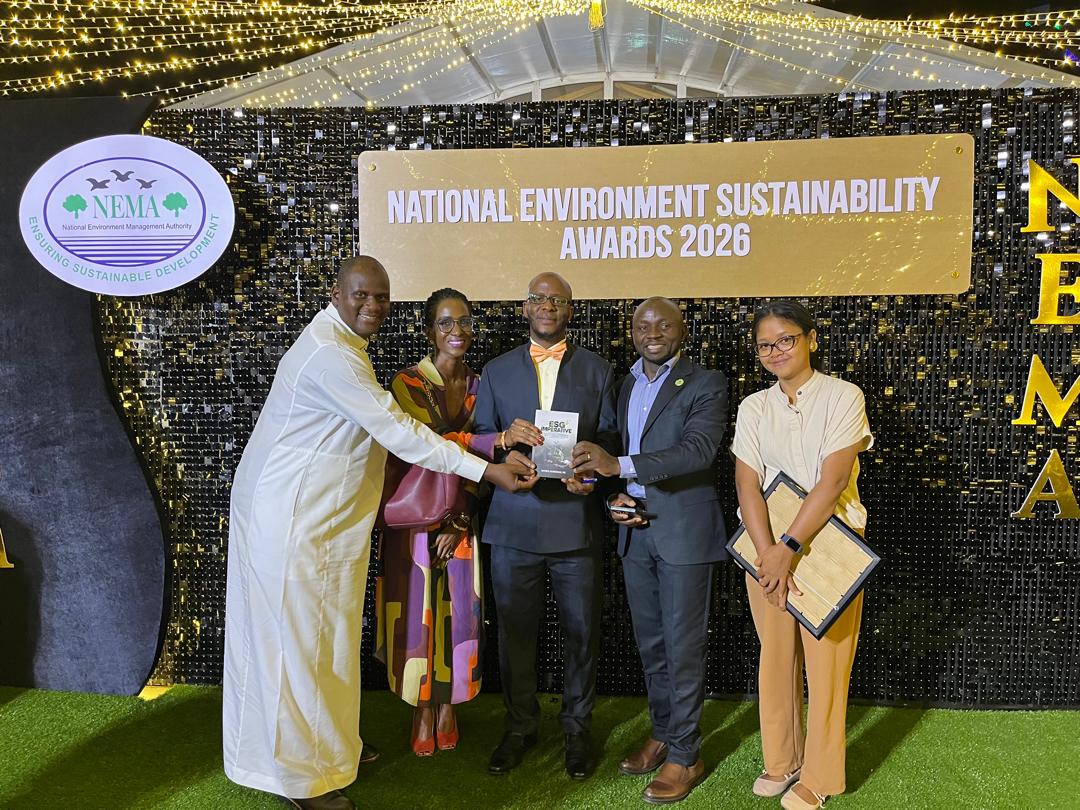
That vision has earned Bioconvision Uganda Limited the Circular Economy Innovation Award at the National Environment Sustainability Awards, held under the theme Innovation for Climate Resilience, in recognition of the company's pioneering approach to converting waste into valuable commercial products.
Speaking to Nile Post after receiving the award, Bioconvision Director Sheila von Hoerner said the idea was inspired by years of witnessing the devastating impact of water hyacinth on communities around Lake Victoria.
"Growing up and later living on the shores of Lake Victoria, I saw firsthand how the weed was affecting fishermen and entire communities. As we watched enormous amounts of biomass accumulate along the shoreline, we kept asking ourselves a simple question: What can we do with all of it?" she said.
That question became the foundation of a business model that is today addressing multiple environmental challenges simultaneously.
During their research, the team examined projects in South Africa where insects had been introduced to control the spread of water hyacinth. While the biological control reduced the weed's growth, the plants and insects were largely left unused after the process.
Bioconvision identified an opportunity to go a step further.
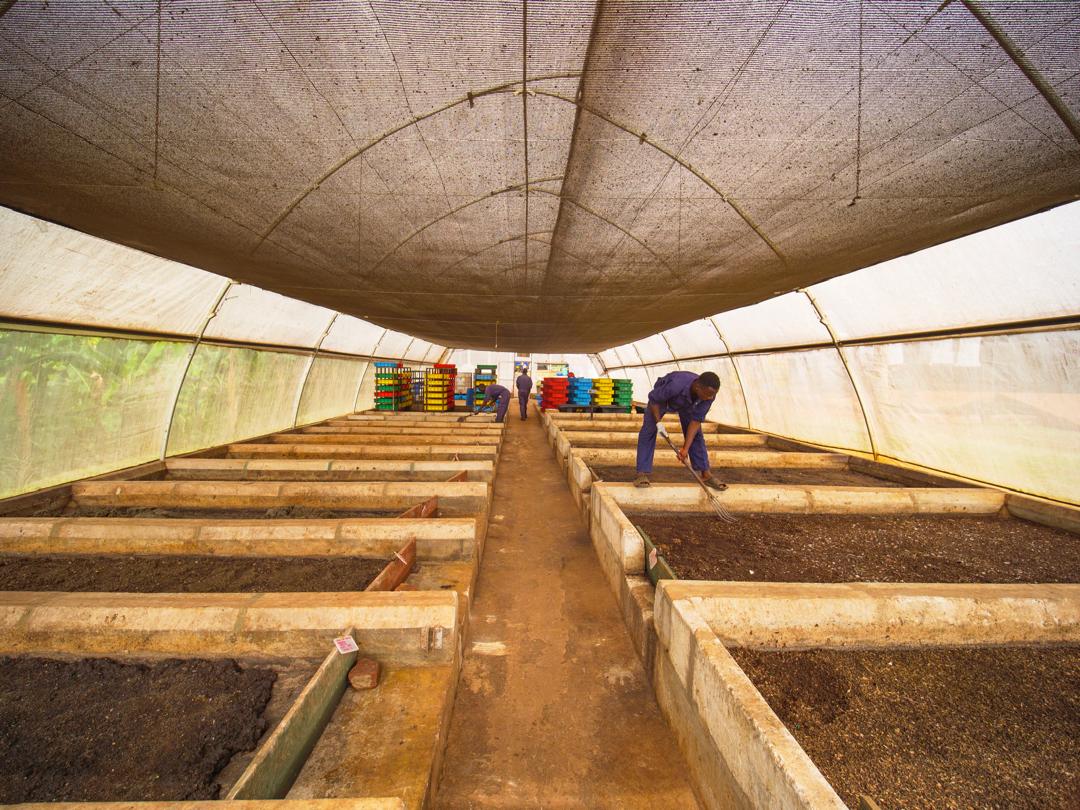
Instead of treating water hyacinth as waste, the company developed a system that combines the invasive weed with organic waste collected from markets, hotels, restaurants, schools and agro-processing industries before feeding the mixture to Black Soldier Fly larvae.
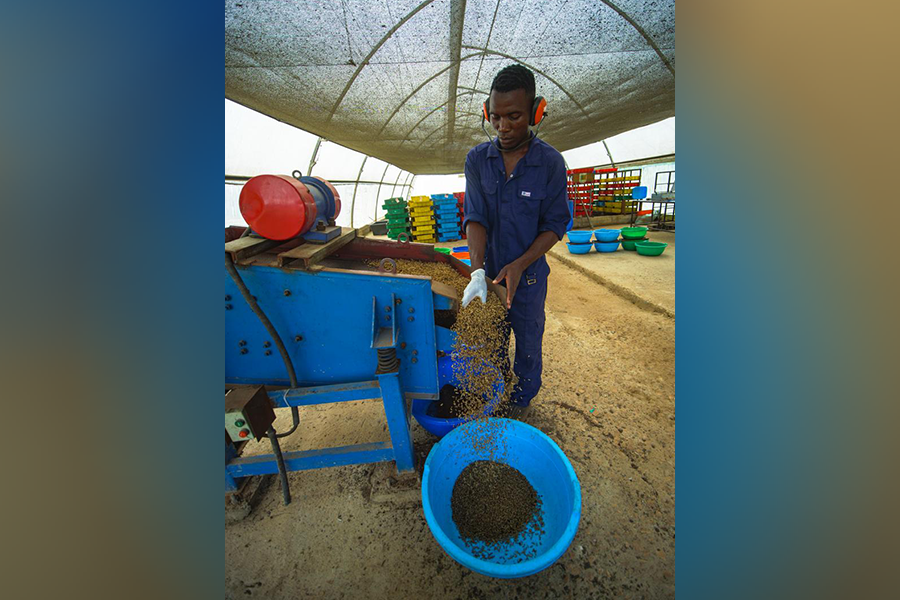
The larvae rapidly break down the organic matter, producing protein-rich insect meal used in livestock and poultry feed, while the remaining organic residue is processed into nutrient-rich fertiliser for agriculture.
The model embodies the principles of the circular economy, where waste materials are continuously reused to generate economic value instead of ending up in landfills or polluting ecosystems.
Beyond environmental conservation, the innovation has created employment opportunities across the value chain.
Young people and local communities now earn incomes through waste collection, transporting water hyacinth, insect farming, logistics, processing and the distribution of animal feed and organic fertiliser.
Fishing communities around Lake Victoria have also found a new source of income by harvesting and supplying the invasive weed that once hindered their daily activities.
Despite the growing impact of the enterprise, von Hoerner said the national recognition came as an unexpected but welcome milestone.
"Receiving the award came as a pleasant surprise. We knew our work was making a difference, but we did not expect this level of recognition. It is a great encouragement for our team and for everyone who has supported this journey," she said.
She believes the company's greatest achievement is proving that environmental conservation and commercial sustainability can go hand in hand.
Rather than relying solely on grants or donor funding, Bioconvision finances much of its environmental work through revenue generated from selling animal feed and organic fertiliser.
"Our vision is to demonstrate that waste is not a problem to be managed but a resource to be harvested. By creating valuable products, we can finance environmental solutions in a sustainable way," von Hoerner explained.
The recognition comes as Uganda intensifies efforts to promote climate adaptation, green innovation and sustainable waste management through public-private partnerships.
Circular economy enterprises are increasingly being recognised as key contributors to reducing greenhouse gas emissions, improving resource efficiency and creating green jobs.
With the national award adding momentum to its work, Bioconvision is now planning to expand beyond Jinja to other communities around Lake Victoria experiencing similar challenges with organic waste management and water hyacinth infestation.
"The opportunity is as large as the challenge itself," von Hoerner said. "We want to restore ecosystems, improve waste management, create dignified employment opportunities and support sustainable agriculture on a much larger scale."
For a company that began with a simple question about what to do with one of Uganda's most persistent environmental problems, the answer has evolved into an award-winning innovation that is restoring ecosystems, strengthening livelihoods and demonstrating that what many consider waste can become one of the country's most valuable resources.