

As debate intensifies around Uganda's growing public debt burden and the recently announced national budget, attention is increasingly shifting from how much the country owes to what exactly the borrowed money has financed.
According to the Ministry of Finance, Planning and Economic Development, Uganda's total public debt stood at $34.86 billion (Shs126.19 trillion) by December 2025.
External debt accounted for $15.84 billion, while domestic borrowing stood at $19.02 billion.
The country's debt-to-GDP ratio was estimated at about 53 percent, a figure that has frequently featured in discussions about fiscal sustainability and the cost of servicing government debt.
However, government officials argue that focusing solely on the size of the debt presents only part of the picture. They contend that equal attention should be paid to the investments funded through borrowing and the economic returns those projects are expected to generate over time.
Over the past decade, borrowed resources have been channelled into large-scale infrastructure and development projects aimed at expanding Uganda's productive capacity, improving connectivity and supporting the country's long-term economic transformation agenda.
Transport infrastructure emerged as the single largest beneficiary, accounting for 31.1 percent of all borrowed funds.
The investments have financed the construction and rehabilitation of roads, bridges and transport corridors across the country, projects government says are critical for reducing transport costs, facilitating trade and improving access to markets.
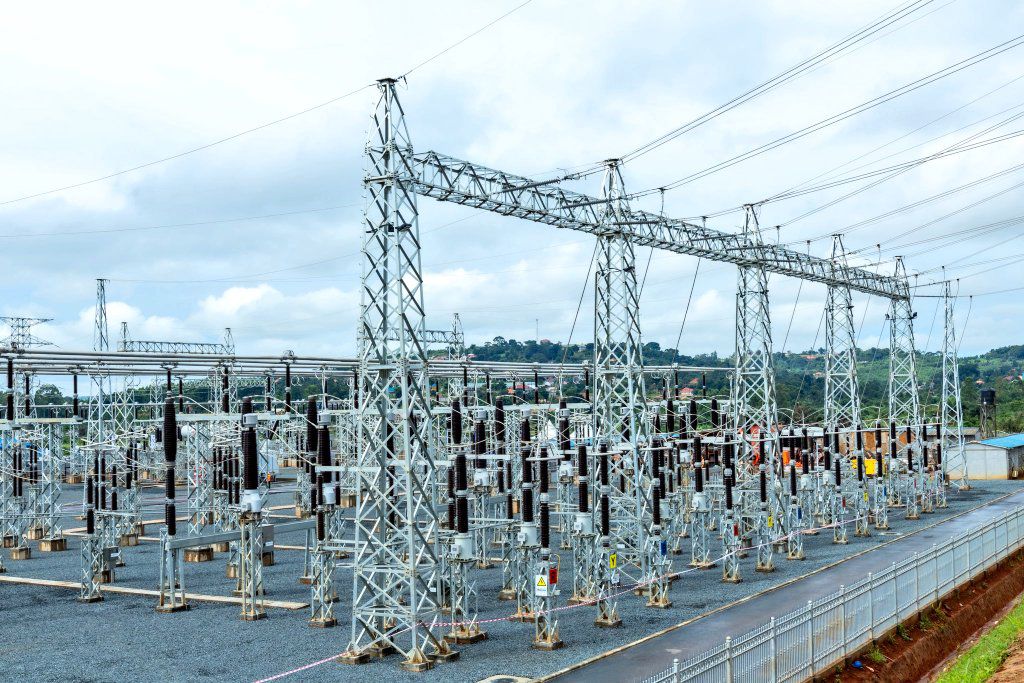
Electricity infrastructure received the second-largest share at 19.3 percent.
These funds have supported major power generation, transmission and distribution projects intended to increase electricity access, enhance reliability and provide the energy required to support industrialisation and private sector growth.
Water infrastructure accounted for 10.3 percent of borrowed resources, helping expand access to clean water and sanitation services in both urban and rural areas.
Agriculture, which remains Uganda's largest employer and a key source of export earnings, received 9.2 percent through investments in agro-industrialisation. The funding has been directed toward initiatives aimed at increasing agricultural productivity, promoting value addition and strengthening the country's competitiveness in regional and international markets.
Education and health infrastructure accounted for 7.7 percent of the investments, supporting the construction, rehabilitation and equipping of schools, hospitals and other public service facilities.
Housing and urban development projects absorbed 6.3 percent of the borrowed funds as government sought to improve urban planning, municipal infrastructure and housing development in rapidly growing towns and cities.
Industrial development received 2.0 percent, supporting the establishment and expansion of industrial parks and manufacturing infrastructure intended to attract investment, create jobs and accelerate industrial growth.
A further 7.0 percent was invested in other strategic sectors, including the National Backbone Infrastructure project to expand internet connectivity, science, technology and innovation initiatives, as well as regional development programmes.
The government maintains that Uganda's debt remains sustainable despite concerns raised by some economists and opposition politicians over the pace of borrowing and rising debt servicing costs.
Officials argue that the true test of public borrowing should not be measured solely by the size of the debt stock, but by whether the financed projects generate economic growth, improve productivity and create opportunities that enable the country to repay its obligations while raising living standards.
As Uganda pursues its ambition of achieving ten-fold economic growth, the debate over public debt is likely to remain central.
Yet policymakers insist that the country's roads, power infrastructure, water systems, industrial facilities and digital networks provide tangible evidence of where much of the borrowed money has gone over the last decade.