
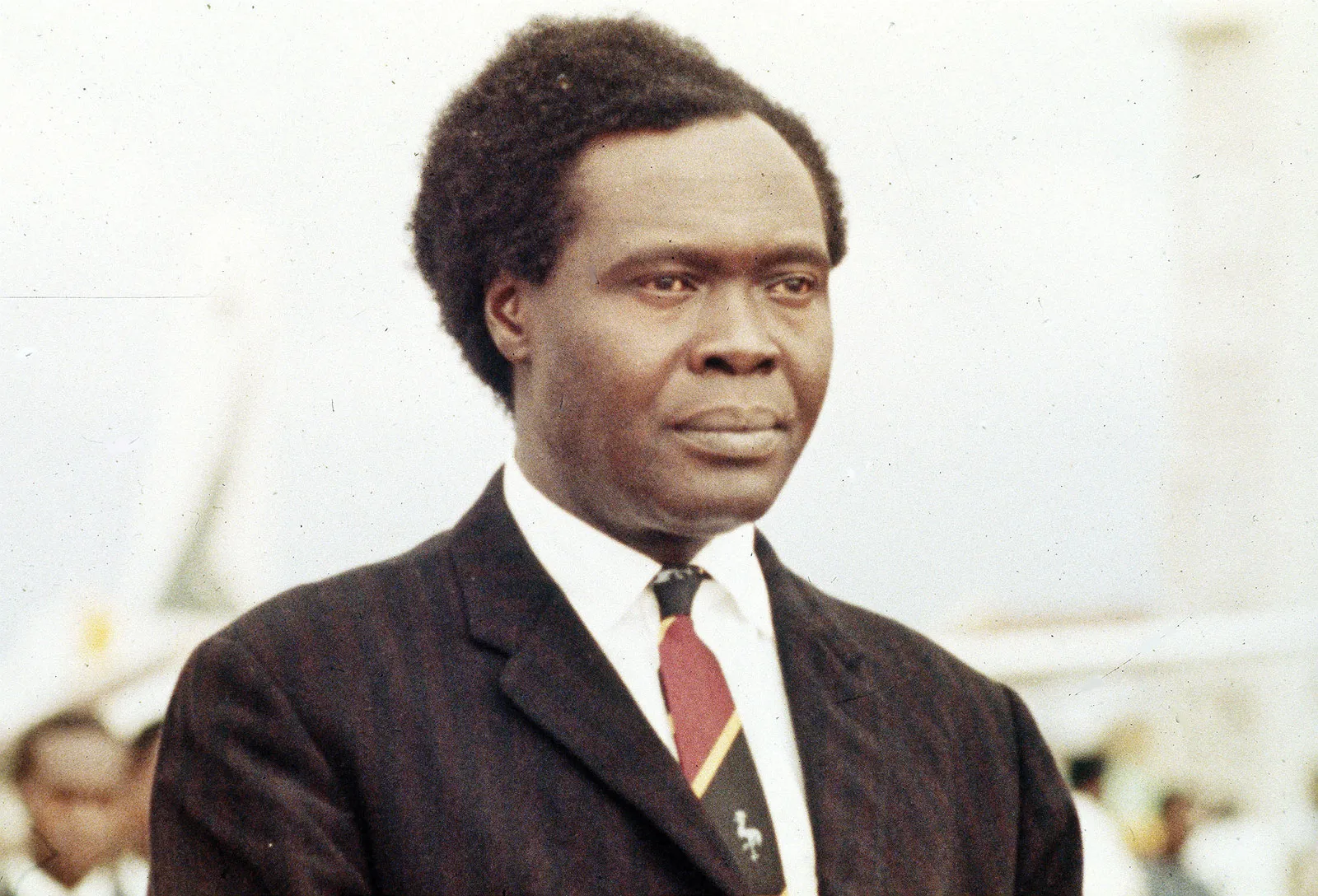
Nine years after being overthrown by Idi Amin, Milton Obote made a dramatic return to Uganda on this day in 1980, in one of the most defining political moments in the country’s post-independence history.
Obote had been living in exile in neighbouring Tanzania since January 1971, when Amin seized power while the Ugandan leader was attending a Commonwealth conference in Singapore. During his years away, Uganda descended into dictatorship, violence and economic collapse under Amin’s regime.
Everything changed in 1979 when Tanzanian forces, working alongside Ugandan exile groups, invaded Uganda and toppled Amin during the Uganda–Tanzania War. Among the anti-Amin forces was a young guerrilla leader named Yoweri Museveni, whose role in the liberation struggle would later shape Uganda’s future.
Although May 27, 1980, was presented as Obote’s official return, it later emerged that he had secretly travelled into Uganda several times beforehand to consult with transitional leaders. By the time of his public homecoming, Uganda was under a fragile interim administration led by the Military Commission after the removal of President Godfrey Binaisa.
Obote flew into the Nyakisharara airfield in Mbarara alongside his wife Miria Obote and their children. Thousands of supporters of the Uganda People’s Congress gathered to welcome him back, turning the occasion into a major political rally ahead of the country’s planned elections later that year. Former Vice President John Babiha was among the prominent figures who greeted him on arrival.
Security remained tight throughout the visit. Uganda was still deeply unstable following Amin’s fall, and Tanzanian soldiers heavily guarded the rallies, including a major gathering in Ishaka, Bushenyi.
Addressing cheering crowds, Obote declared:
“Let it be known that Uganda's decade of shame is at last over. Let a message go across to the world that a new era is about to dawn in Uganda.”
He also appealed for national unity after years of conflict and division, famously telling Ugandans:
“Either we live together or we perish together; there is no other way.”
Obote’s return immediately transformed Uganda’s political landscape. He launched a vigorous campaign for the December 1980 elections, with Yoweri Museveni emerging as one of his strongest rivals. The elections later handed victory to Obote and the UPC, beginning Obote’s second presidency.
However, the results were fiercely disputed by Museveni and other opposition groups, who accused the government of rigging the vote.
The fallout pushed Museveni to launch a guerrilla rebellion that evolved into the Ugandan Bush War, a conflict that would eventually lead to his capture of power in 1986 and permanently reshape Uganda’s political history.
