
KAMPALA — Uganda’s hospitality sector is increasingly being recognized as a strategic pillar in the country’s tourism development, with industry stakeholders calling for stronger government support to unlock its full potential.
Speaking during the Pearl of Africa Tourism Expo (POATE) 2026, hospitality players noted that while Uganda’s wildlife, culture, and landscapes remain key attractions, the quality of hospitality services ultimately shapes visitors’ experiences and influences whether they return.
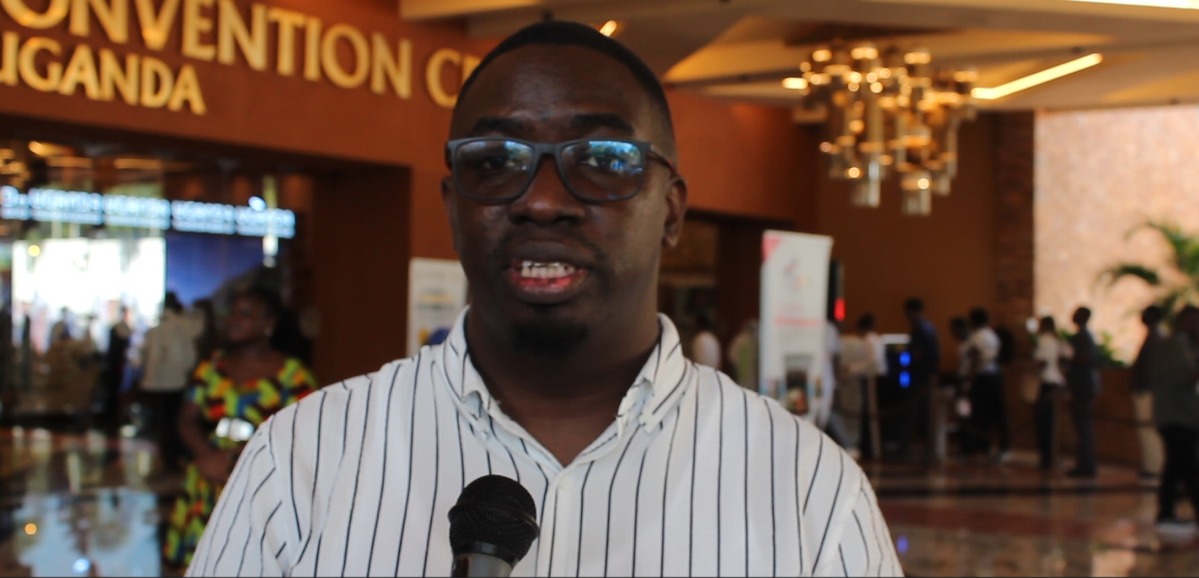
Moses Musiime from Hotel Nowesis said the hospitality industry is evolving to meet the demands of modern travellers, who are increasingly seeking personalized and experience-driven journeys.
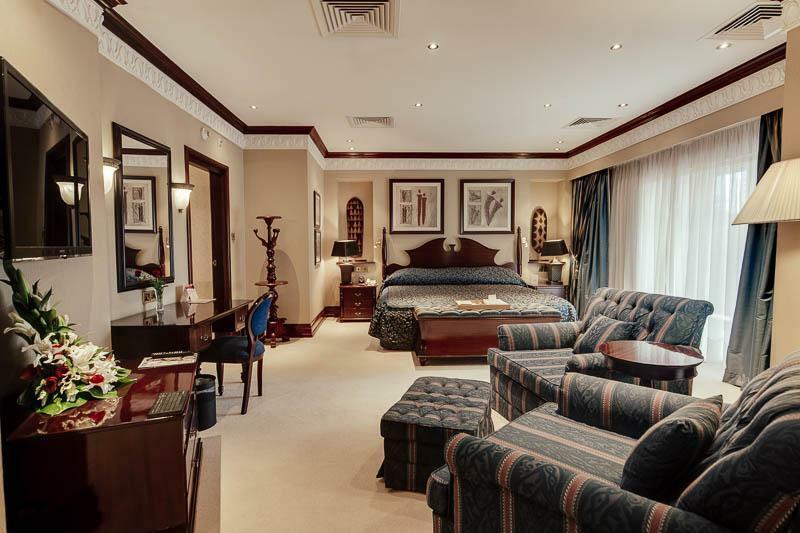
“Luxury is a very important part of tourism. We are here to support government initiatives by ensuring that luxurious accommodation is not only available, but also affordable,” Musiime said.
He explained that tourism today goes beyond sightseeing, with visitors expecting tailored experiences that reflect their individual interests and travel goals.
“We curate experiences tailored to what tourists want. It’s not a one-size-fits-all. People come to Uganda for different reasons, and we must reflect that in how we host them,” he added.
Industry players said hotels and hospitality establishments are no longer limited to offering accommodation and meals, but are now creating complete travel experiences through personalized itineraries, wellness packages, cultural immersion activities, and coordinated transport services.
Musiime noted that hospitality providers play a critical role as both the first and last point of contact for tourists visiting Uganda.
“Tourists start here and end here. Before they explore Uganda’s destinations and after they return, we are responsible for their comfort, their relaxation, and their overall impression of the country,” he said.
Stakeholders at the expo emphasized that a strong hospitality sector helps make tourism more accessible, organized, and enjoyable by simplifying travel logistics for both domestic and international visitors.
They also argued that customer experience within hotels and lodges significantly contributes to Uganda’s international reputation and repeat tourism.
Musiime said the sector remains committed to supporting national tourism goals, but called for increased government collaboration and investment support.
“Government can help make it easier for us. Hospitality is here to make the tourism industry much easier,” he said.
Among the key areas highlighted for government intervention were improved infrastructure and transport connectivity, investment incentives for hospitality facilities, skills development and service training, and stronger partnerships between the public and private sectors.
As Uganda expands global tourism marketing efforts, stakeholders at POATE 2026 said the hospitality industry is proving to be more than a complementary service, positioning itself as a major driver of tourism growth and destination competitiveness.
