
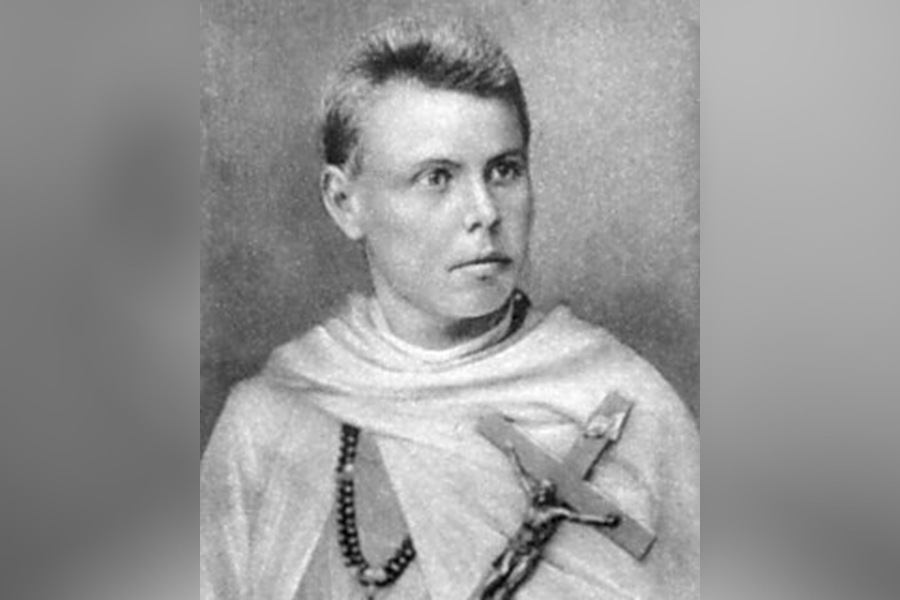
On this day in 1890, Father Siméon Lourdel, the French Catholic missionary better known in Uganda as Mapeera, died at the age of 37 after suffering from hepatitis at Rubaga.
Though his time in Uganda lasted just over a decade, his influence would permanently shape the country’s religious, educational and social landscape.
Mapeera arrived in Buganda on February 17, 1879 alongside Brother Amans Delmas, becoming the first Catholic missionaries to enter present-day Uganda.
As members of the White Fathers missionary society, their arrival marked the formal beginning of the Catholic Church in Uganda and opened a new chapter in Buganda’s religious history.
Known for his fluency in Luganda and his ability to connect with local communities, Mapeera quickly earned the trust of Buganda’s leadership. He became a close adviser and personal physician to Kabaka Mutesa I and later served during the reign of Kabaka Mwanga II.
Mapeera also became deeply linked to the story of the Uganda Martyrs. During the religious persecutions of 1885 and 1886, he baptised several converts who would later be killed for their faith, including Joseph Mukasa Balikuddembe and Andrew Kaggwa.
Historical accounts say he pleaded with Kabaka Mwanga II at Munyonyo to spare the young converts, but his appeals were unsuccessful.
Beyond religion, the foundations established by the White Fathers later contributed to the growth of formal education and healthcare in Uganda. Institutions linked to the Catholic Church, including St. Mary's College Kisubi, emerged from the missionary networks first built during Mapeera’s time in Buganda.
His nickname, “Mapeera”, came from the Luganda pronunciation of the French phrase “Mon Père”, meaning “My Father”. The name remains deeply woven into Ugandan culture and geography today, most visibly through Mapeera House and the Mapeera-Nabunnya pilgrimage site.
Several places connected to his life continue to attract pilgrims and historians. Kigungu Landing Site marks the place where he first arrived in Uganda in 1879, while Rubaga Cathedral became his final resting place after his remains were transferred from his original burial site at Nabulagala.
More than 130 years after his death, Mapeera remains one of the most influential religious figures in Uganda’s history, remembered as the missionary whose work helped shape the country’s spiritual and educational foundations.
