
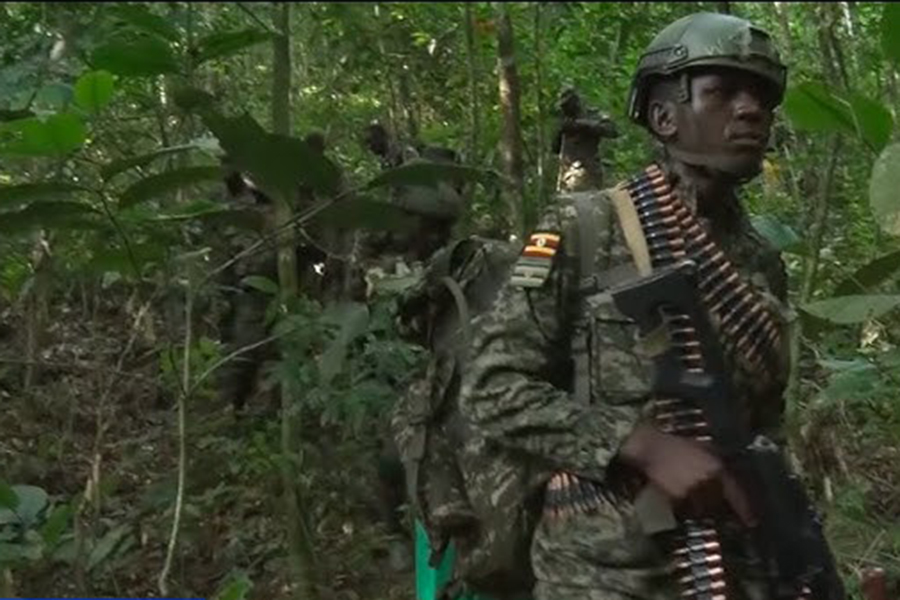
Cabinet on May 7, 2001 took a major step towards reducing the country’s military presence in the Democratic Republic of Congo after backing the complete and immediate withdrawal of UPDF troops from several frontline positions.
The extraordinary Cabinet meeting came at a tense moment for the government of Yoweri Museveni, which was facing growing international scrutiny over Uganda’s role in the conflict in Democratic Republic of the Congo.
Just weeks earlier, a United Nations panel of experts had released a report accusing senior Ugandan military and political figures of benefiting from the illegal exploitation of Congolese natural resources during the conflict.
Following the Cabinet session, then First Deputy Prime Minister and Foreign Affairs Minister Eriya Kategaya issued a formal statement outlining the withdrawal plan.
Uganda agreed to withdraw troops from 10 strategic locations: Basankusu, Dongo, Gemena, Gbadolite, Lisala, Bafwasende, Isiro, Butembo, Beni and Kanyabayonga.
The move was seen as one of the clearest indications at the time that Kampala was attempting to align itself with the Lusaka Ceasefire Agreement, which sought to end the regional conflict that had drawn several African countries into war in DR Congo.
Cabinet, however, stopped short of announcing a total withdrawal from all positions.
Government maintained that it would continue assessing the “wisdom” of retaining troops in Buta and Bunia due to ongoing security concerns.
Uganda also argued that it had a legitimate security interest in maintaining forces along the western slopes of the Rwenzori Mountains to guard against attacks by the Allied Democratic Forces.
The May 7 Cabinet meeting also laid the groundwork for the establishment of the Justice David Porter Commission of Inquiry, which was formally constituted later that month to investigate allegations contained in the UN report.
