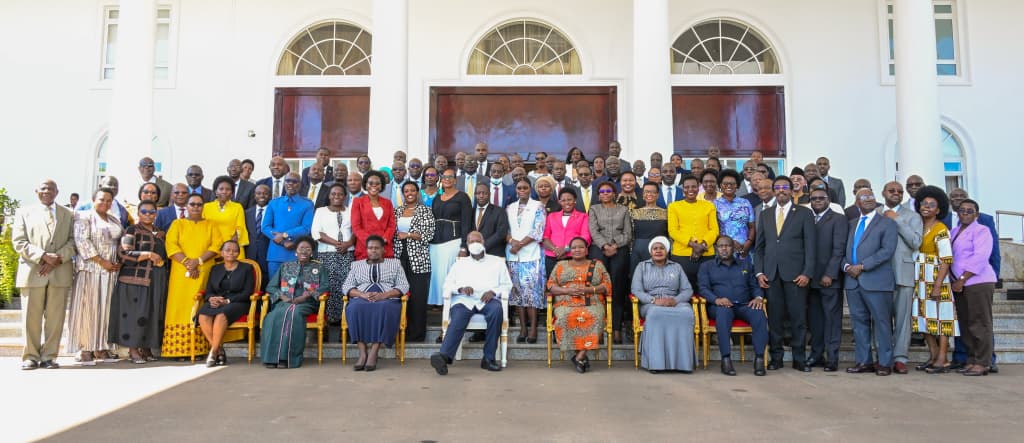
President Museveni has chaired the final Cabinet meeting of the outgoing government at State House, marking the formal end of the current executive’s term and a key moment in the country’s political transition.
The session, described by attendees as the “final Cabinet of fishermen meeting,” brought together ministers to conclude government business before dissolution.
When he appointed the Cabinet in 2021, President Museveni explained that his selection approach was deliberate and inspired by a biblical model, saying that just as Jesus chose “fishermen” rather than religious elites, he too had preferred ordinary, tested and loyal individuals over highly elite professionals.
“Jesus didn’t recruit Pharisees, Sadducees or the Levites, but he went for Simon Peter,” he said of the disciples who were fishermen.
He said he had worked “underground alone” in compiling the list and insisted it was his responsibility to identify leaders he considered hardworking, non-corrupt, and capable of delivering government priorities, adding that the “fishermen” metaphor referred to leaders drawn from the common citizenry who could be trusted to implement the economic transformation agenda effectively.
“When I was compiling my cabinet list, I was operating underground alone," he said. "This is one area where I don’t need assistance. This is a fantastic and pleasant job. The newly appointed Cabinet members are loyal, hardworking and not corrupt.”
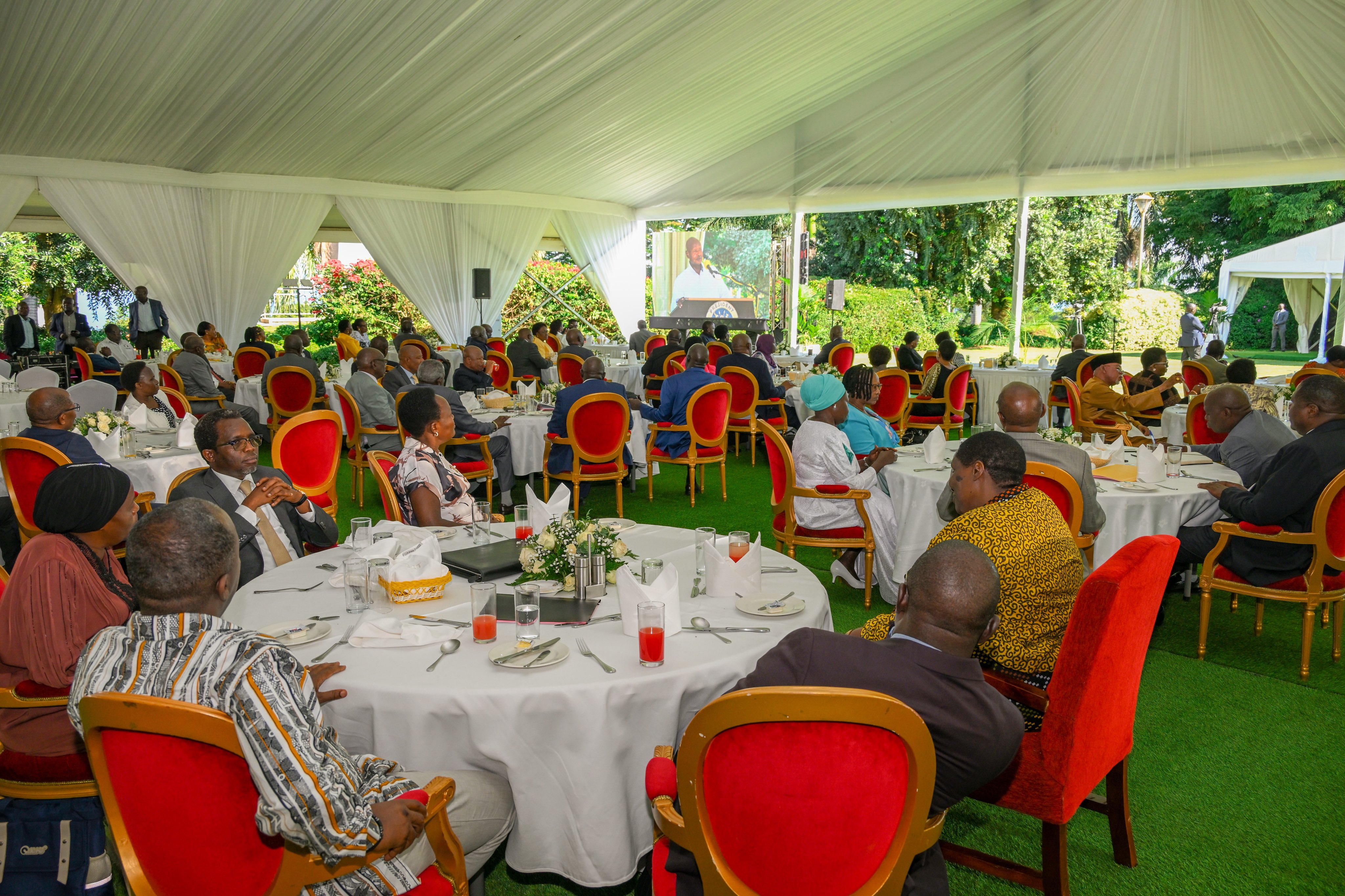
Following the Monday meeting, Museveni hosted the ministers for a luncheon at State House, turning the formal dissolution into a moment of reflection and appreciation for their service.
The President praised the outgoing Cabinet for what he described as its central role in steering Uganda’s economic transformation, particularly the achievement of middle-income status.
“This is the Cabinet that ushered Uganda into middle-income status,” Museveni said, adding that collective effort across government institutions had made the milestone possible.
He commended ministers for their “dedicated service to the country,” noting that key policy decisions during the term contributed to improvements in infrastructure, energy development, and agricultural modernisation, which underpin the country’s shift in income classification.
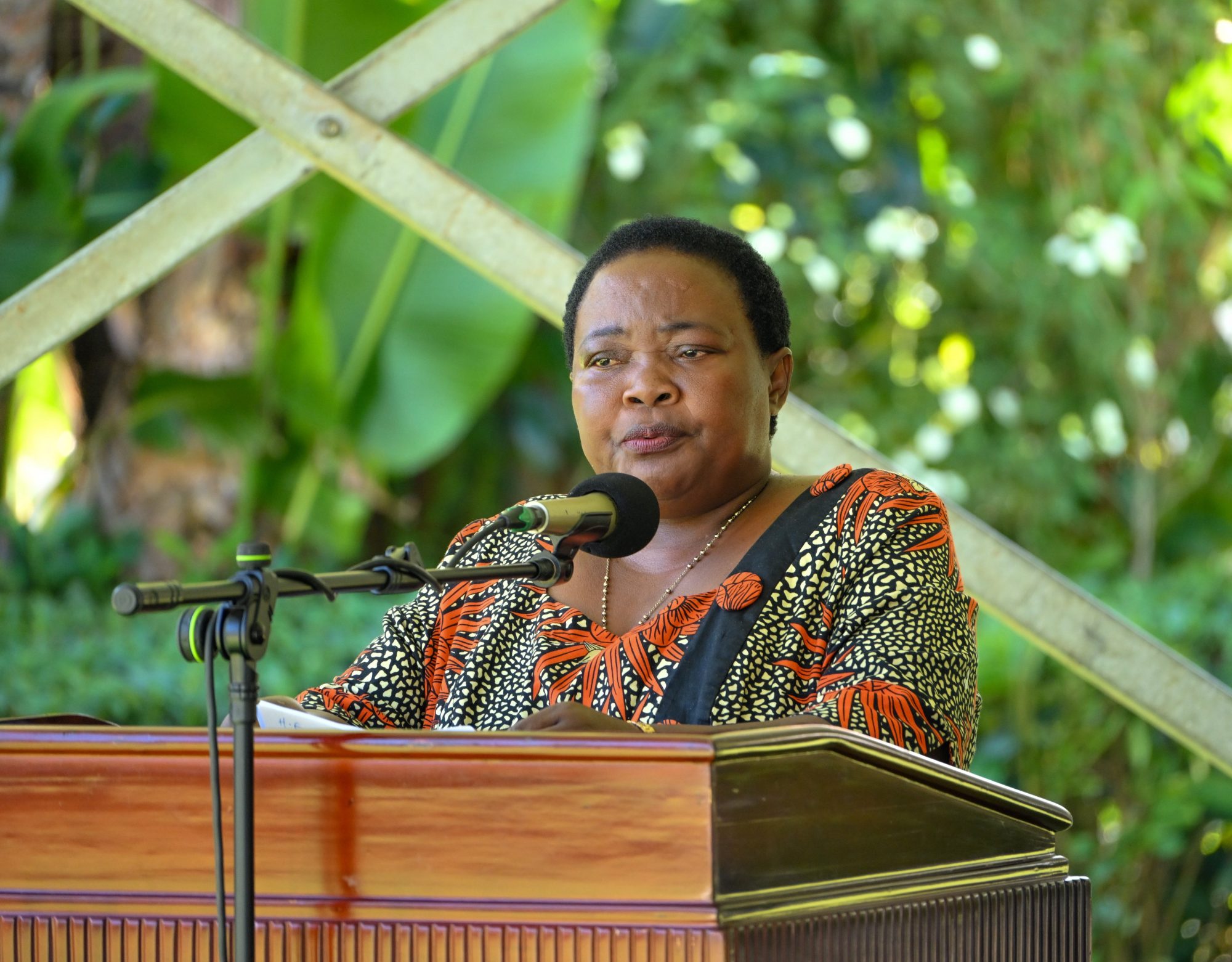
Museveni also singled out the Cabinet Secretariat for what he called effective coordination of government business, saying it helped ensure decisions were properly processed and implemented.
The President said the transition reflected progress under the “Securing Your Future” development agenda, which prioritises economic growth and structural transformation.
The atmosphere at the luncheon was described as relaxed and reflective, with ministers acknowledging the end of their tenure and the start of a new phase of government restructuring.
Museveni concluded the engagement by thanking the outgoing team and wishing them well in their future endeavours.
“I thank them all and wish them good luck,” he said.
The dissolution of Cabinet is a routine constitutional process that typically precedes the formation or reconstitution of a new executive team to guide the next phase of governance.