
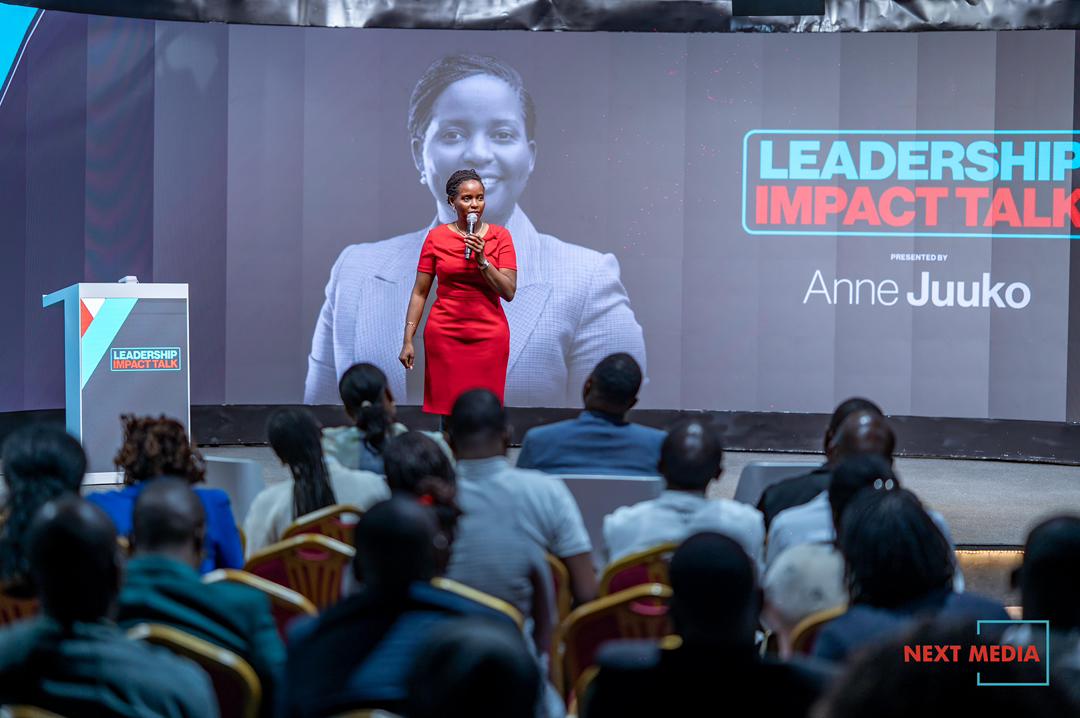
On the afternoon of April 16, 2026, the leaders of Next Media gathered at Next Media Park for a Leadership Impact Talk that was, by any measure, exactly the kind of conversation the moment demands.
Facilitated by Anne Juuko, the session took on the theme, "What the Next Generation of Leaders Needs from Those Already in the Room'.
What followed was the honest, practical, and at times deeply personal reflection on what it means to lead in a world that has changed faster than most leadership manuals can keep up with.
The session was deliberately designed to equip Next Media’s leaders with the mindset and skills needed to stay relevant to their teams, sharpen leadership competencies, and learn from one another in a spirit of shared growth.
Lead Yourself First
One of the session’s most consistent threads was the responsibility leaders carry toward their own development before they can effectively develop others. Anne was direct: the only thing that truly sets a leader apart is how much they have invested in themselves.
“Manage thyself before you manage anybody else,” she told the room.
She challenged leaders to reflect honestly on how they spend their time, pointing to the hours lost to passive screen consumption that could instead be redirected toward reading, learning, and skill-building.
In an era where everything a person wants to learn is accessible, she argued, the only real question is whether you want it badly enough.
She also pushed back on the fear of hiring people who are smarter or more skilled.
“The worst thing you can do for yourself is to hire people who know less than you,” she said, framing a leader’s true strength not as the smartest person in the room, but as the one who builds the best room.
What the Next Generation Actually Needs
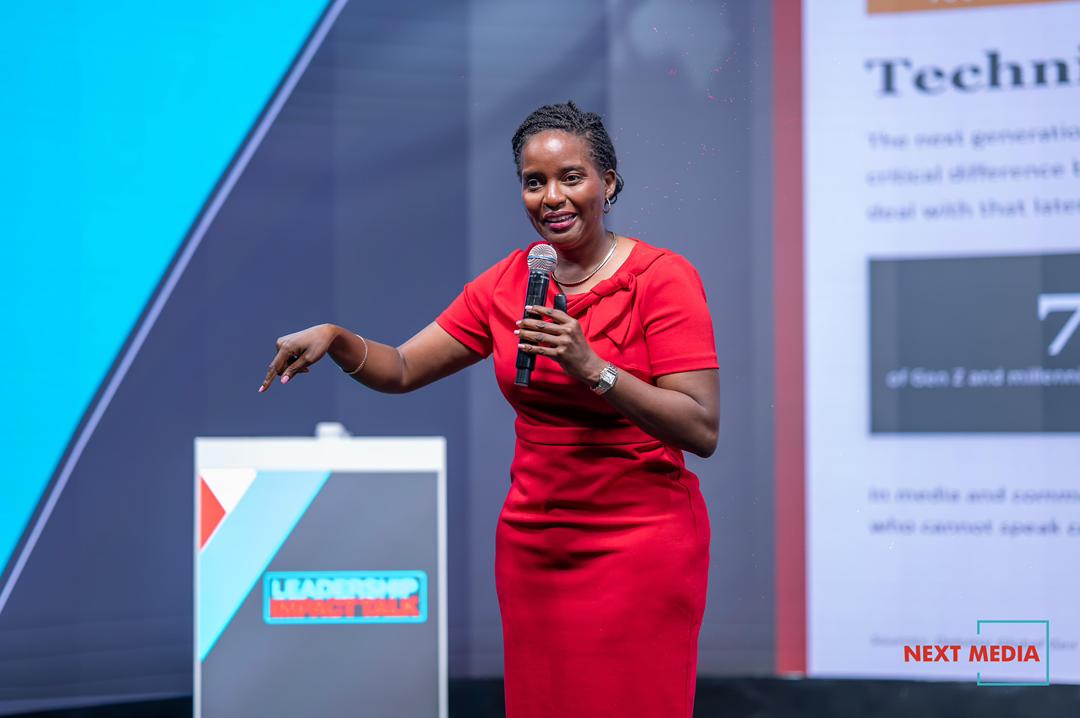
A significant portion of the session focused on the Gen Z workforce: a generation that Anne described as digital natives with a deep hunger for human connection. This is not a generation to be managed, she said. It is a generation to be understood, equipped, and connected to purpose.
The old command-and-control model of leadership, she noted, holds no currency with this group. They prefer flat structures, want to be consulted, and will walk away from well-paying jobs if the environment does not respect their humanity.
Leaders who consult their teams, give them a seat, and treat them as people rather than resources will get further results than those who do not.
Transparency Is Not Optional
Anne was unsparing on the subject of transparency.
Leaders who withhold context, spin the truth, or keep strategy as a secret are spotted immediately, she said, especially by a generation that grew up navigating information at speed.
Strategy is not a secret thing, she reminded the room. Your team plan must not be hidden from the people responsible for executing it.
She connected this to the importance of trust. Unless leaders create the space where people feel safe to speak, they will never truly know what their teams are carrying. And if you do not know what your people are carrying, you cannot lead them well.
Leadership Is Everyday
Perhaps the most resonant message of the afternoon was the simplest: leadership is not episodic. It does not happen at the quarterly review, the annual appraisal, or the Monday morning meeting.
It happens in the everyday moments. How a leader reacts when things go wrong. How they show up when no one is watching. How they make their team feel on an ordinary working day.
“Your appraisal must never surprise them,” she said. “Because leadership is every day.” Strong teams, she added, are made in those everyday moments, not in the set pieces.
She also spoke to women in the room with particular directness: embrace the difference you bring. Women lead differently, see things differently, and bring a different set of colours. That difference is not a weakness. It is the contribution.
A Culture of Continuous Learning
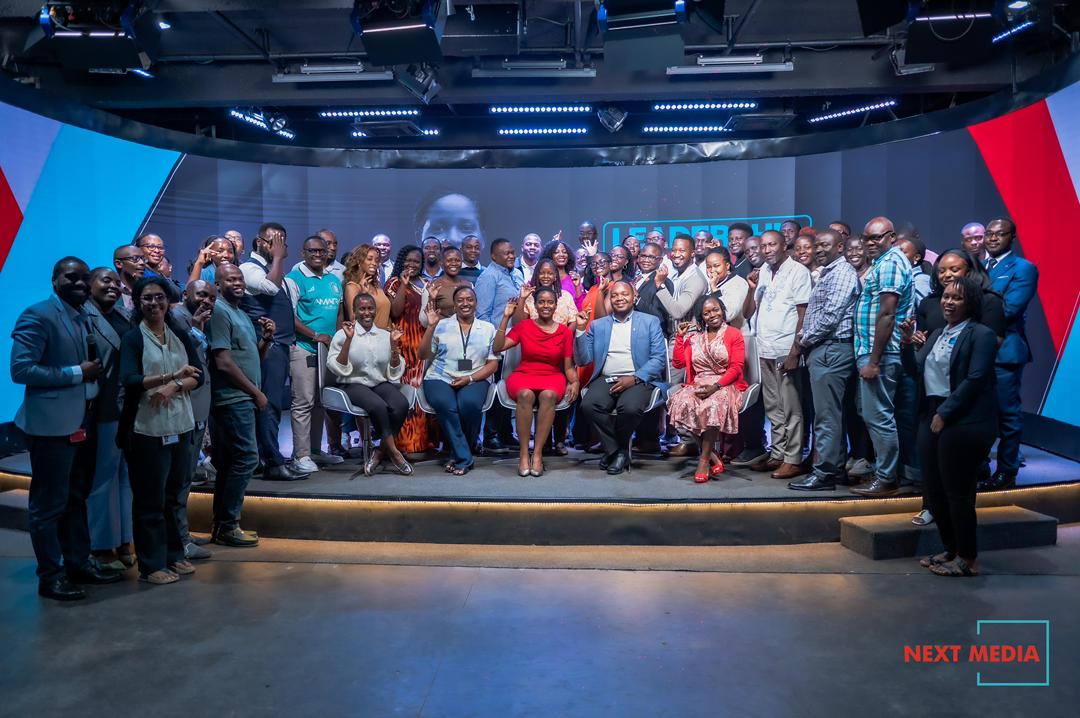
Anne also spoke to the practical mechanics of building learning cultures inside teams. She recommended that leaders use collective, in-house learning as a tool: gather the team, pick a topic, and work through it together.
She shared her own practice of asking team members who attend external training to return with one concrete change they are implementing. Learning, she said, must translate into action or it is just attendance.
She also flagged the growing importance of soft skills, noting that communication and emotional intelligence are increasingly more valuable than technical skills alone in career development.
And she called out the role of AI, urging leaders to embrace it rather than fear it. Use it. Learn it. Let it work for you.
At Next Media, investing in people is not a programme. It is a value.
Yesterday’s session was part of an ongoing commitment to growing leaders from the inside out: equipping the people who lead Next Media’s teams with the skills, mindset, and self-awareness to do it well. The room left with a renewed sense of what leadership actually asks of you.
Thank you, Anne Juuko, for the honesty, the push, and the reminder that the work of a leader never really stops.
