
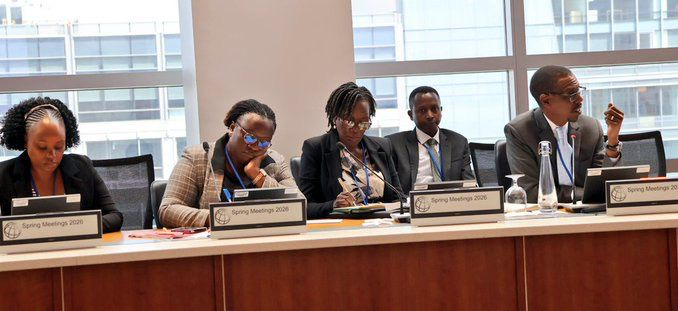
Uganda has called for a balanced and consultative approach in the implementation of the proposed Integrated World Bank Group Accountability Mechanism, warning that the interests of borrower countries must be safeguarded alongside those of affected communities.
This position was presented by Attorney General Kiryowa Kiwanuka during the Accountability Task Force meeting held on the sidelines of the IMF/World Bank Spring Meetings 2026 in Washington, D.C.
Kiryowa emphasized the importance of striking a balance between public and private sector interests within the accountability framework, noting that while oversight is essential, it should not undermine project implementation or national sovereignty.
He argued that the proposed mechanism should include structured consultations with sovereign governments and project managers during investigations to ensure inquiries are fair, well-informed, and sensitive to the operational realities of development projects.
The Attorney General further stressed the need for complaints submitted to the accountability panel to meet a minimum threshold of sufficient interest, cautioning that weak or unsubstantiated claims could overburden the system and reduce its effectiveness.
The Integrated Accountability Mechanism under review seeks to harmonise oversight functions across the World Bank Group, with the aim of strengthening transparency, redress, and institutional accountability in development financing.
Meanwhile, Uganda’s engagement at the high-level meetings continued with the Permanent Secretary and Secretary to the Treasury, Ramathan Ggoobi, participating in the World Bank Africa Group I Constituency Panel Meeting. The session brought together member states to discuss regional priorities, financing strategies, and shared development challenges.
Uganda’s participation in the Spring Meetings reflects its ongoing efforts to contribute to global financial governance discussions, particularly on frameworks that directly affect borrowing countries and development partners.
