
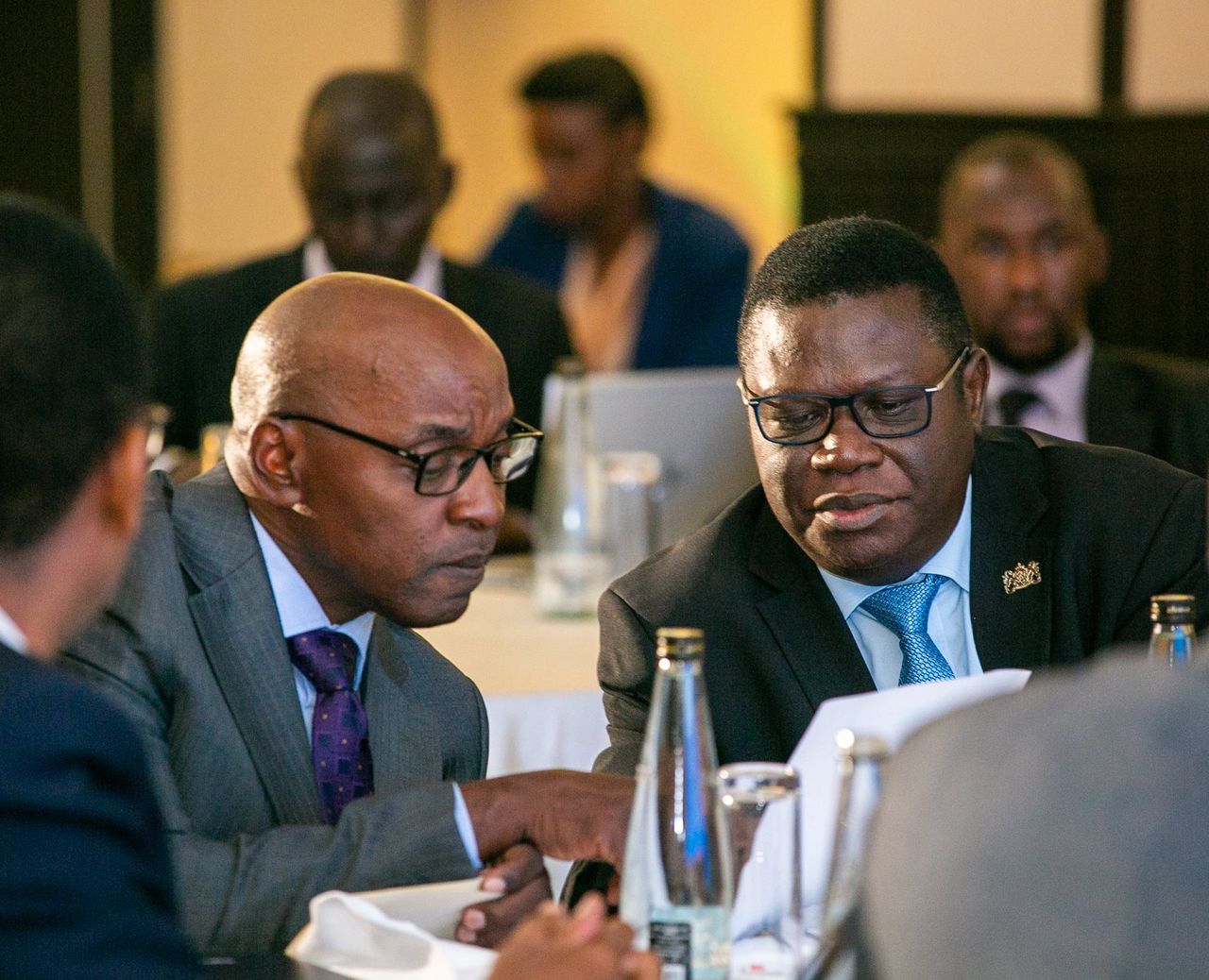
Bankers, legal professionals, and regulators convened for a high-level breakfast meeting to explore practical strategies for preventing and resolving financial disputes as part of Day Four of the #GumzoLaADR2026 engagements.
The meeting provided a platform for key actors in Uganda’s financial and legal sectors to exchange ideas on strengthening collaboration, improving dialogue, and developing solutions that ensure both business operations and the justice system function efficiently.
Speaking during the session, Ann Mugyenyi, a Judge of the Commercial Division of the High Court, highlighted the evolving nature of dispute resolution in Uganda’s judicial system.
Justice Mugyenyi noted that while the foundation for efficient case management within the judiciary dates back to 1986, the sector has since undergone significant specialization to address increasingly complex matters.
She explained that the Commercial Division now handles a broad range of intricate disputes, including intellectual property and high-value commercial cases that require specialized judicial expertise.
According to Justice Mugyenyi, the division is currently managing more than 4,000 cases, with over 1,400 of them classified as specialized disputes. She said the growing volume and complexity of cases demonstrate the urgent need for enhanced case management systems, increased judicial capacity, and stronger mediation mechanisms.
The judge emphasized that the growing adoption of Alternative Dispute Resolution (ADR), particularly mediation, is playing a crucial role in easing pressure on the courts.
She explained that ADR mechanisms help reduce case backlogs while ensuring justice remains accessible and effective, especially for poorer and underserved communities that often struggle with the costs and delays associated with traditional litigation.
Justice Mugyenyi added that combining strict judicial oversight with alternative dispute resolution allows courts to deliver timely outcomes while also preserving professional and commercial relationships between disputing parties.
Participants at the meeting underscored the importance of sustained cooperation between the judiciary, financial institutions, and regulators in promoting dispute prevention and resolution frameworks that support economic growth.
The discussions reflected a deliberate shift within the justice system toward balancing speed, fairness, and specialization. Stakeholders noted that strengthening mediation and other ADR processes will be key to resolving commercial and intellectual property disputes more efficiently, while minimizing unnecessary delays and legal costs.
The breakfast dialogue formed part of the broader GumzoLaADR2026 platform, which continues to bring together justice sector actors to promote alternative dispute resolution as a vital tool for improving access to justice and supporting a more responsive legal system.
