
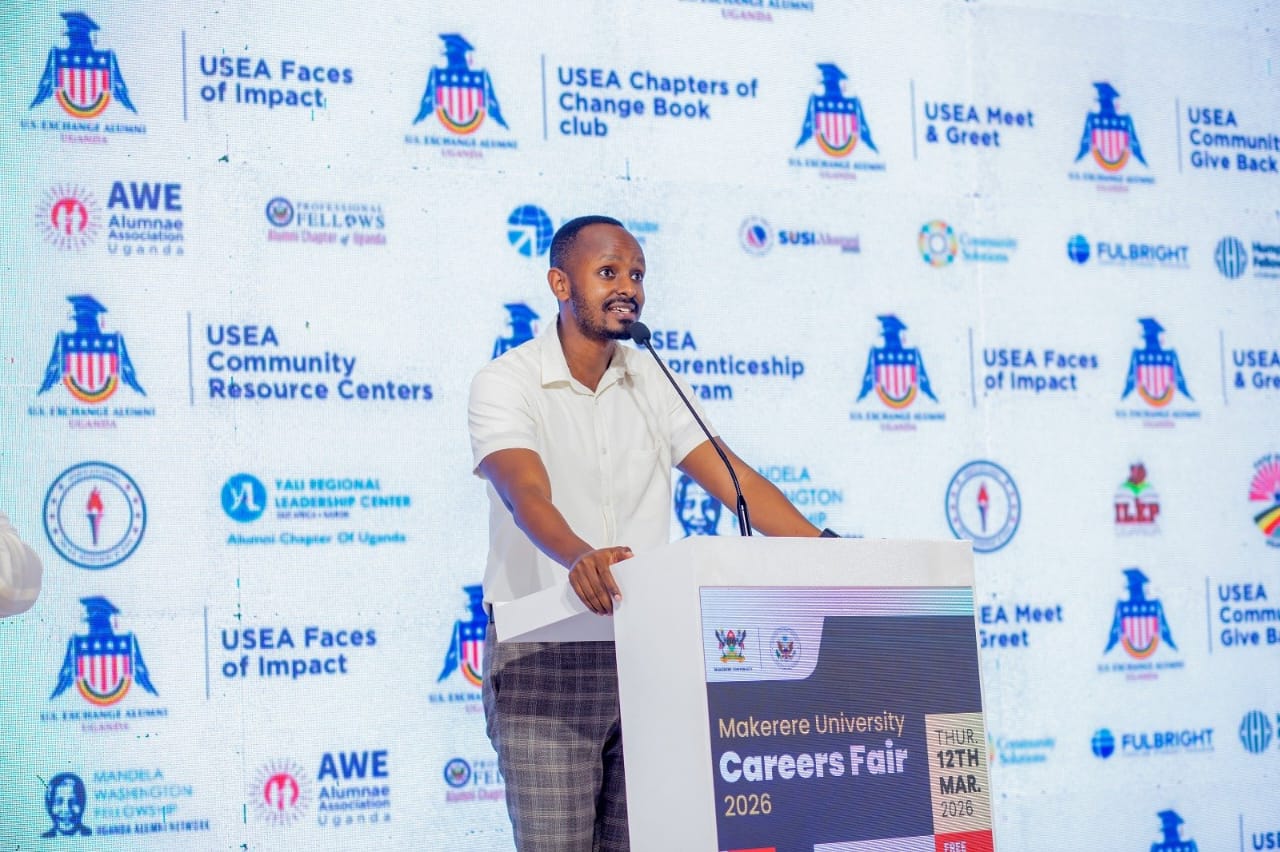
Ugandan students and graduates seeking opportunities to study abroad have received guidance on how to pursue higher education in the United States through a presentation delivered by an EducationUSA adviser in Kampala.
During the session, Ezra On’rel Nuwenyine, an EducationUSA Adviser, provided detailed insights into the process of applying to universities in the United States and the benefits that come with studying there.
EducationUSA is a global network of more than 430 advising centres operating in over 170 countries. The centres provide accurate, comprehensive, and up-to-date information to international students interested in pursuing academic programs in the United States.
While addressing participants, Nuwenyine highlighted several advantages of studying in the U.S., including access to high-quality education, world-class faculty, advanced research facilities, internship opportunities, and a flexible academic system that allows undergraduate students to explore and choose their majors during their studies.
He also outlined the academic requirements for both undergraduate and graduate programmes, emphasizing the importance of maintaining strong academic performance.
According to him, applicants are also encouraged to demonstrate relevant work experience, leadership skills, and active involvement in school or community activities, which can strengthen their applications.
Nuwenyine further guided participants through the five key steps required to successfully apply for studies in the United States.
These include researching suitable institutions and academic programmes, identifying ways to finance studies through scholarships or financial aid, completing application forms and submitting supporting documents, applying for an F-1 student visa, and preparing for life in the United States.
The adviser also encouraged students to use reliable online resources to support their application journey. Among the recommended platforms were educationusa.state.gov, collegeboard.org, and finaid.org, which provide information on universities, admissions requirements, and scholarship opportunities.
He urged prospective applicants to carefully plan their application timelines, actively communicate with university programme contacts, and thoroughly explore funding opportunities before submitting their applications.
The session concluded with practical advice for both undergraduate and graduate applicants, including the preparation of strong personal statements, securing recommendation letters, meeting standardized test requirements, and understanding the holistic admissions review process used by many U.S. institutions.
