
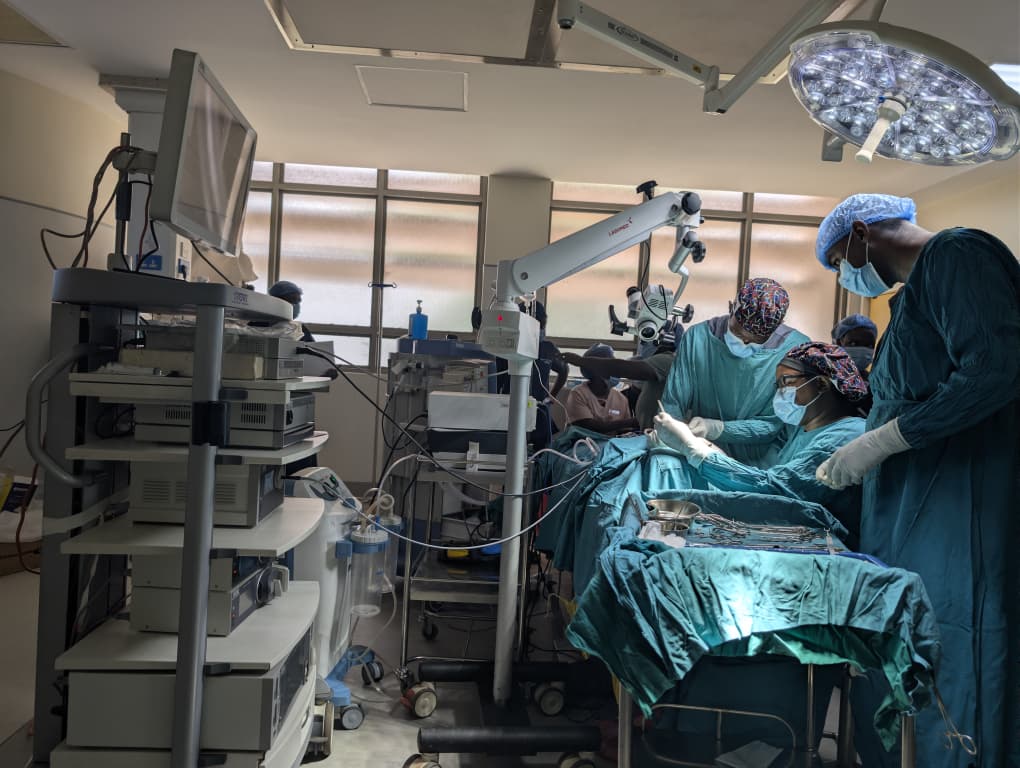
More than 80 percent of hearing loss cases are preventable, yet Uganda continues to record high numbers of patients with avoidable ear damage.
According to Amina Seguya, an ENT surgeon at Mulago National Referral Hospital, hearing loss can occur at any stage of life — from the womb to old age.
“The fact that we all have ears means we are all possible candidates for hearing loss,” she says.
Prevention begins during pregnancy. Infections such as malaria, measles, and rubella in expectant mothers can impair a baby’s hearing before birth.
Delivering outside a health facility also increases risk, especially if complications arise during labor. Babies who do not cry immediately after birth, require intensive care, or develop severe newborn infections — including jaundice — are vulnerable to hearing impairment.
As children grow, untreated infections like meningitis and malaria can damage the auditory system. Simple but common behaviors — inserting objects into the ear or rough play that injures the ear canal — can also lead to permanent damage.
Immunization plays a critical protective role. Vaccines under Uganda’s national immunization schedule prevent infections known to cause hearing loss. Health workers stress that completing childhood vaccinations is not only life-saving but also hearing-saving.
Adolescence introduces new risks. Prolonged exposure to loud music through earphones, high-volume environments such as football stadiums, and recreational noise are contributing to early-onset hearing decline among young people.
Occupational hazards also pose a threat, particularly in factories or workplaces with sustained high decibel levels where hearing protection is not used.
Head injuries from road crashes, falls, or boda boda accidents further compound the risk. Wearing helmets and seatbelts significantly reduces trauma-related hearing damage.
Ageing is another inevitable factor. Most adults above 65 experience gradual hearing decline. However, regular screening and assistive devices can maintain communication and independence.
Warning signs should never be ignored. Ear discharge — whether pus, water, or blood — persistent itching, ear pain, or frequent requests for repetition in conversation are indicators that require medical evaluation.
Doctors recommend at least one ear check-up annually, even in the absence of symptoms. Early detection allows timely intervention, preventing mild hearing reduction from progressing into permanent disability.
“Hearing loss prevention is much easier than curing hearing loss,” Seguya emphasizes.
