
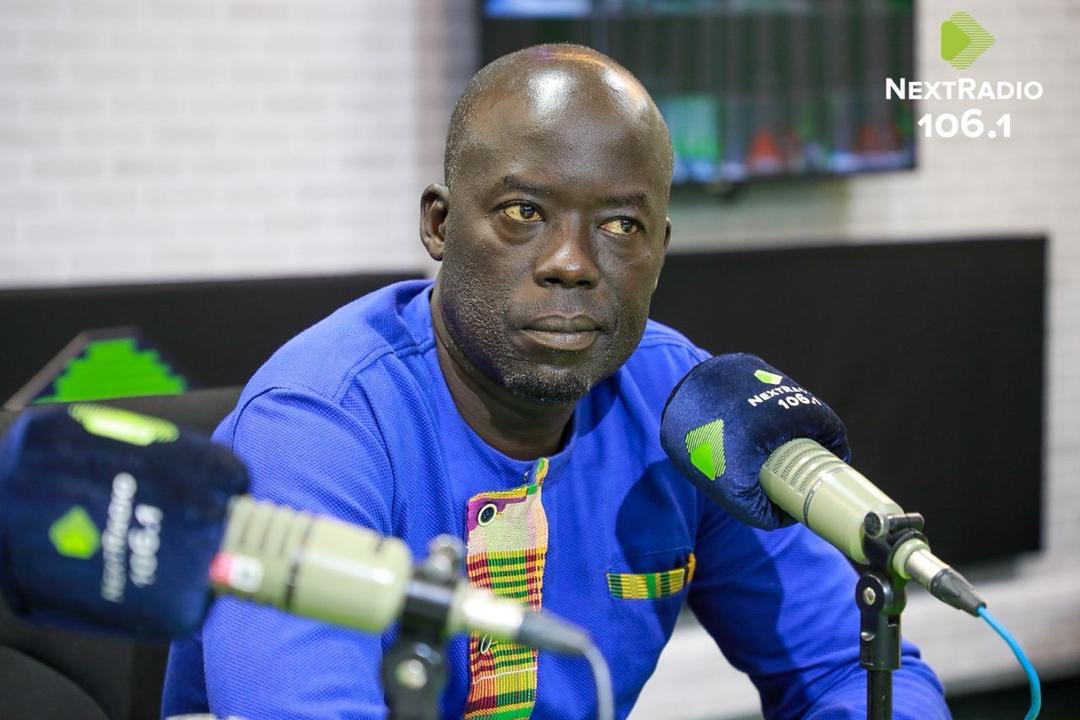
Former Arua County Member of Parliament Odonga Otto has claimed that generous financial benefits attached to top legislative offices have made the Speakership highly attractive, warning that Parliament risks being “mortgaged” in the process.
Speaking to Canary Mugume during Next Big Talk hosted by Next Radio, Otto alleged that the scale of perks and privileges enjoyed by parliamentary leaders has intensified political competition for the office.
“There’s fear that Parliament has been mortgaged. For any institution to get a budget allocation, it must ‘give’ something,” Otto said, suggesting that financial considerations could undermine institutional independence.
He cited former Vice President and Speaker Edward Kiwanuka Ssekandi as an example, alleging that Ssekandi continues to receive pensions for serving as Vice President, Deputy Speaker, and Speaker. Otto claimed that such benefits could total between Shs150 million and Shs200 million per month, alongside other entitlements.
He further alleged that Parliament previously enacted legislation granting former Speakers lifetime benefits, including salaries equivalent to those of serving office holders, official vehicles, and domestic staff. “The moment you’re Speaker, your problems are solved,” Otto remarked, estimating that the current Speaker could be earning approximately Shs500 million monthly. He also claimed that the Leader of Opposition receives about Shs3 billion as a travel budget allocation.
Otto’s comments come amid heightened political activity surrounding the race for Speaker of the 12th Parliament.
The President of the Democratic Party (DP) and Minister for Justice and Constitutional Affairs, Norbert Mao, recently declared his bid for the Speakership following nationwide consultations. Addressing journalists at the party headquarters in Kampala, Mao said he had gathered sufficient support to formally enter the race.
Mao described corruption as Uganda’s most pressing challenge and pledged to prioritise accountability, transparency, and institutional integrity if elected Speaker. He emphasized the need for Parliament to reclaim its oversight role but urged supporters not to actively campaign for him, arguing that his record and experience speak for themselves.
In earlier remarks, Mao said Uganda ended up with what he termed an “accidental Speaker” following the death of former Speaker Jacob Oulanyah in 2022. He argued that the upcoming contest presents an opportunity for a deliberate and well-considered choice.
Mao has also pointed to the cooperation agreement between the Democratic Party and the ruling National Resistance Movement (NRM) as strengthening his prospects, noting that he has begun consultations with President Yoweri Museveni under the framework of the DP–NRM partnership.
Other aspirants in the Speakership race include incumbent Speaker Anita Among, Persis Namuganza, Lydia Wanyoto, Dr. Florence Asiimwe Akiiki, and Yorke Odria Alioni—all affiliated with the NRM.
Otto described Mao as “very intelligent,” comparing him to political commentator Andrew Mwenda and suggesting that Mao stands to lose little by contesting. “He might get a good bargain and even become the Vice President,” Otto said.
As the 12th Parliament prepares to convene in May, the battle for the Speakership has emerged as one of the most closely watched political developments in Uganda.
