
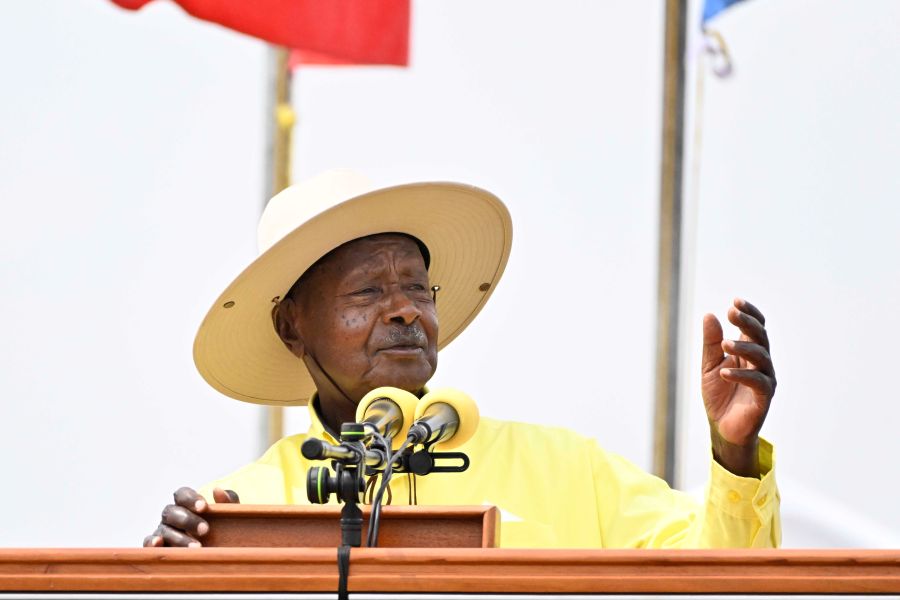
Uganda this week marked exactly four decades since the National Resistance Army (NRA) marched into Kampala, promising a “fundamental change” after years of instability.
The anniversary arrives amid a complicated political reality: a President fresh from a seventh-term victory presiding over a country where roughly 70 percent of the population has no living memory of the 1986 liberation.
For veterans such as Col. Fred Mwesigye, one of the original combatants, the struggle remains a justified sacrifice.
“Those who died didn’t die in vain. We didn’t become a bandit army but a pro-people force,” Mwesigye reflected, weighing whether the movement has remained true to its founding ideals.
Yet he also warned that today’s political environment demands a different form of discipline, arguing that some actors have “misused the peace to cause chaos, causing conflict.”
Beneath the celebratory tone of the anniversary, the ruling party has offered rare moments of candour.
NRM spokesperson Emmanuel Dombo acknowledged that some of the very practices the NRA once fought against, including vote rigging, are now “returning to haunt multiparty” politics.
For critics, this admission reinforces the view that the democratic promise of the liberation struggle has steadily hollowed out as power has remained concentrated without a change of guard.
Dombo did not dispute the tension. Instead, he echoed the President-elect’s assessment that the coming term is likely to be marked by a “tightened grip on power” in the name of safeguarding hard-won gains.
To supporters, this is framed as stability and protection of progress; to detractors, it signals a narrowing political space and the entrenchment of authoritarian instinct.
As Uganda enters its fifth decade under NRM rule, the future of the opposition remains uncertain, constrained by both institutional barriers and an uneven political playing field.
At the same time, a youthful population increasingly disconnected from the war and the fears that defined it is less responsive to constant reminders of the liberation narrative.
The currency of history, once the regime’s most powerful legitimising tool, is showing signs of diminishing returns.
The unresolved question is whether efficiency, reform, and meaningful progress can still be achieved under a single leadership stretching into its fifth decade, or whether the space for renewal and critical growth has been permanently eroded by the very grip that once promised fundamental change.
