
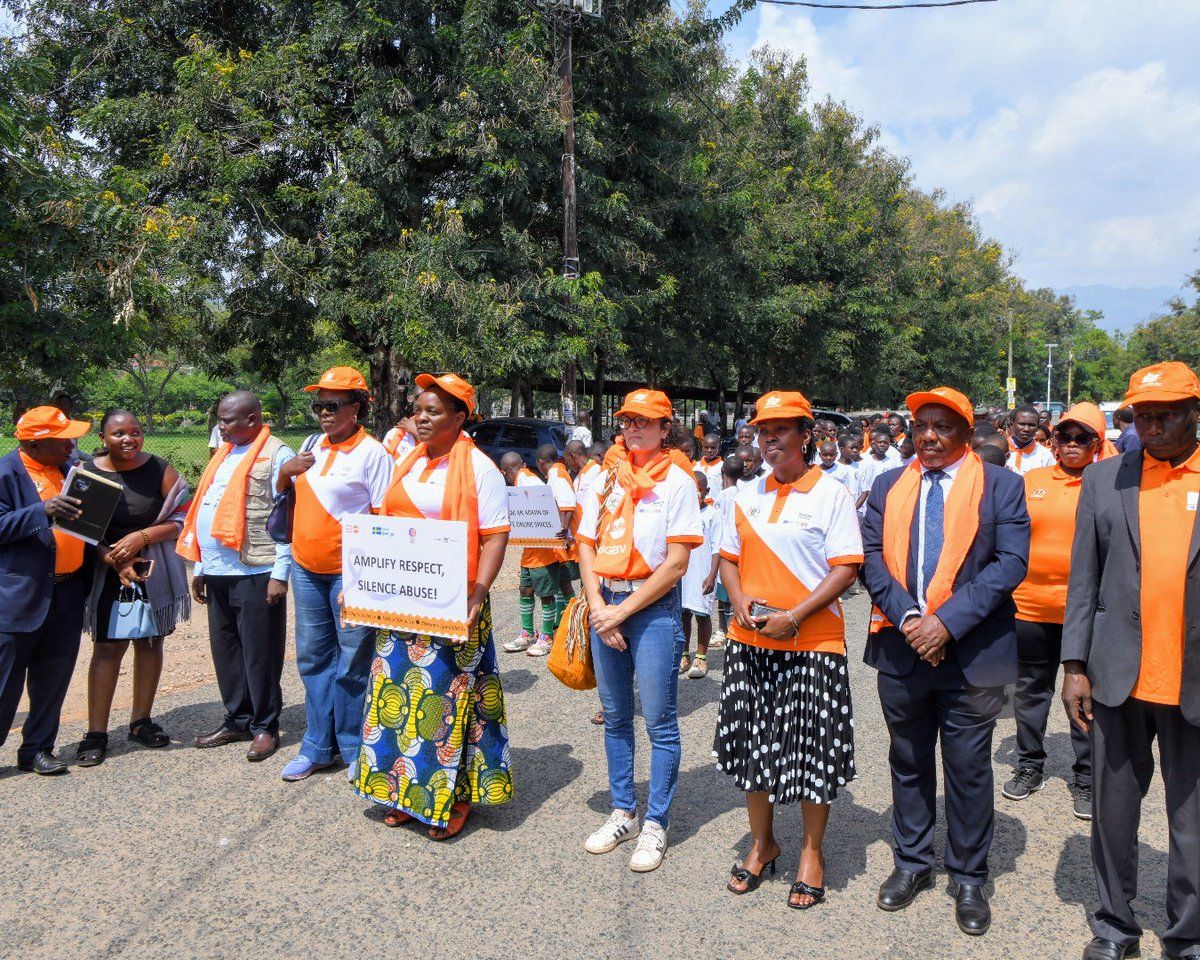
The promise of digital technology as a tool for empowerment is being overshadowed by a surge in online abuse targeting women and girls across East and Southern Africa. From cyberstalking and harassment to non-consensual image sharing and deepfakes, digital violence is spreading rapidly fueled by anonymity, artificial intelligence, and weak legal protections.
Across the region, women leaders, journalists, and human rights defenders face gendered disinformation campaigns and targeted attacks designed to silence their voices and push them out of public life. In Kenya, Uganda, and South Africa, women politicians report deepfake attacks and threats of physical harm. One in four women journalists globally face online threats, and regional trends mirror this alarming reality. Across Southern Africa, a MISA-UNESCO study highlights gendered online attacks targeting women journalists in Botswana, Malawi, Mozambique, Namibia, and Zimbabwe.
“Online abuse is not confined to virtual spaces; it doesn’t stay behind a screen. It’s real, and its impact is devastating. It silences women and girls, spreads fear, leads to physical violence and in the worst cases femicide,” said Anna Mutavati, UN Women Regional Director for East and Southern Africa. “We cannot allow technology to become a weapon against equality. Laws must evolve to protect women and girls everywhere, online and offline. Weak legal protections embolden perpetrators and leave millions of women and girls vulnerable. This must end. During the 16 Days of Activism, UN Women calls on governments, private sector, tech companies, and communities to act now and create a digital world that champions equality, not harm.”
Globally, fewer than 40% of countries have legislation addressing cyber harassment or stalking. Sub-Saharan Africa lags further behind with just 25% of countries offering legal protection. Survivors face barriers to reporting, and tech companies remain largely unaccountable.
In East and Southern Africa, progress is uneven. Countries like South Africa, Kenya, Botswana, Eswatini, Mauritius and Rwanda have introduced cybercrime legislation but enforcement remains weak, and not all recognize the gender dimensions of digital abuse. Millions of women and girls remain unprotected as digital abuse escalates.
The rise of AI-generated deepfakes and gendered disinformation has intensified risks for women in leadership and public life. Reporting remains low; justice systems lack capacity, and tech platforms face little accountability. Without urgent action, digital spaces will continue to amplify violence and inequality.
In this region, online abuse is a pervasive threat to advancing equality, security, peace and development.
According to a report by the Association for Progressive Communications (APC), 28 % of women interviewed across Ethiopia, Kenya, Uganda, Senegal and South Africa reported having experienced some form of online violence.
42% of female African parliamentarians interviewed in a study by IPU and the African Parliamentary Union (APU) said they had received death threats, rape threats, or threats of beating or abduction, usually online.
And according to UNODC in South Africa, 95% of online aggressive behavior and abusive language is aimed at women and girls.
Through the 16 Days of Activism against Gender-Based Violence campaign, UN Women calls for:
- Stronger laws and enforcement to address digital violence against women and girls.
- Regional cooperation with tech companies to enhance accountability and safety of their platforms.
- Enhance survivor support through funding for women’s rights organizations.
- Digital literacy for women and girls and protections for women in public positions.
- Investment in prevention to challenge toxic online behaviors and discriminatory norms across society.
Feminist advocacy has driven global recognition of digital violence as a threat to women and girls’ fundamental human rights, resulting in growing prioritization and action against digital violence by countries. However, shrinking civic space, coupled with unprecedented funding cuts and pushback against feminist movements threatens to undermine decades of progress. In this context, initiatives such as the EU-funded ‘ACT to End Violence against Women and Girls’ programme are more important than ever to support feminist movements in their push for justice.
This year’s 16 Days of Activism against Gender-Based Violence campaign calls for urgent global action to close legal gaps and hold perpetrators and tech platforms accountable. To support governments and policymakers, UN Women is launching two new tools – the Supplement to the Handbook for Legislation on Violence against Women on Technology-facilitated violence against women and girls and the Guide for Police on Addressing Technology-Facilitated Violence, which complements previous guidance for police on addressing violence against women and girls from the Handbook on Gender-Responsive Police Services for Women and Girls Subject to Violence – providing practical guidance for prevention and response. Until the digital space is safe for all women and girls, true equality will remain out of grasp, everywhere.
For media enquiries, please contact the UN Women Media Team on: [email protected]
About the 16 Days of Activism against Gender-Based Violence campaign
The 16 Days of Activism against Gender-Based Violence is a global campaign led by UN Women under the UNiTE to End Violence against Women initiative. It runs each year from 25 November to 10 December, connecting the International Day for the Elimination of Violence against Women and Human Rights Day.
In 2025, the campaign focuses on ending digital violence against all women and girls – one of the fastest-evolving forms of abuse worldwide. Digital violence includes online harassment, stalking, gendered disinformation, deepfakes, and non-consensual sharing of intimate images, all of which are rising sharply as technology advances.
The 2025 UNiTE campaign calls on governments, technology companies, and communities to act now – to strengthen laws, end impunity, and hold platforms accountable. It urges sustained investment in prevention, digital literacy, and survivor-centred services. It also calls for long-term support to women’s rights organizations that are leading efforts to make digital spaces safe and inclusive for all.
About ACT
The Advocacy, Coalition Building and Transformative Feminist Action (ACT) programme, is a game-changing commitment between the European Commission and UN Women as co-leaders of the Action Coalition on Gender Based Violence (GBV), in collaboration with the UN Trust Fund to End Violence against Women. The ACT shared advocacy agenda is elevating the priorities and amplifying the voices of feminist women’s rights movements and providing a collaborative framework focused on common priorities, strategies and actions. In East and Southern Africa, UN Women is partnering with Akili Dada, Equality Now, FEMNET, the Sexual Violence Research Initiative, Strategic Initiatives for Women in the Horn of Africa and Sonke Gender Justice to grow stronger coalitions and drive joint advocacy to end violence against women and girls in all its forms.
