
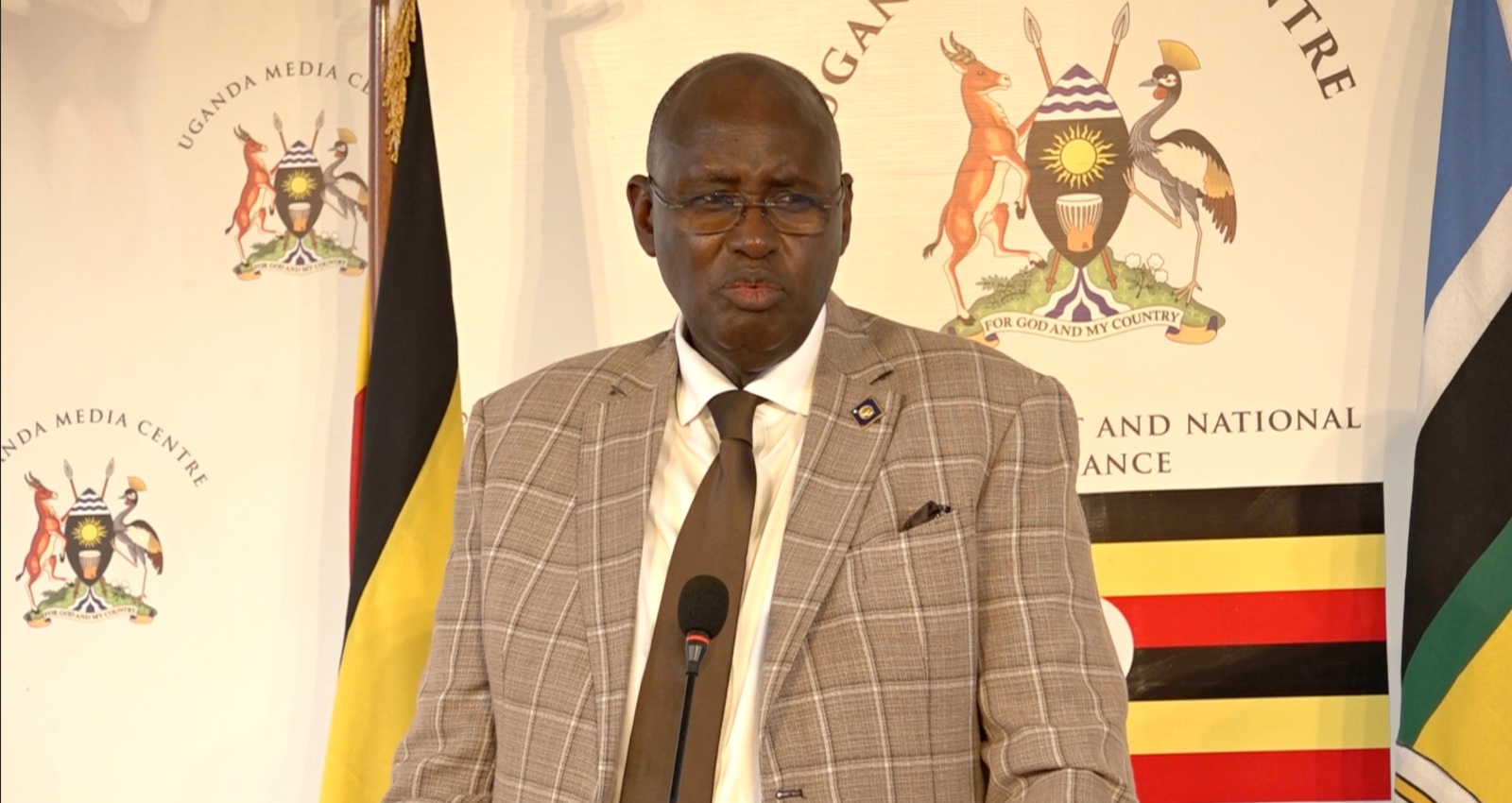
Uganda has intensified efforts to eliminate rabies by 2030 through mass vaccination of animals and increased public awareness campaigns, as the country prepares to join the rest of the world in commemorating World Rabies Day.
Speaking at a media briefing, State Minister for Animal Industry Bright Rwamirama revealed that rabies remains a serious but neglected public health threat, with children most at risk of dog bites.
According to the Ministry of Health, the country recorded 190 rabies-related deaths between 2021 and 2024.
“Rabies is a deadly disease that continues to claim lives in Uganda, yet it is preventable. Our target is to completely eliminate rabies by 2030 through vaccinating dogs and cats, raising awareness, and strengthening surveillance,” Rwamirama said.
Rabies is transmitted primarily through bites from infected dogs, which account for 99% of all human cases globally.
Victims who do not receive treatment often develop symptoms within one to three months, including aggression, seizures, and agitation, before succumbing to the disease within a week.
Uganda currently spends more than Shs 7 billion annually on anti-rabies drugs and an additional Shs 1 billion on vaccines for animals.
The minister emphasized the need for communities to play their part by seeking immediate care after animal bites.
“If someone is bitten by a dog, the first step is to wash the wound thoroughly with clean water and soap, apply spirit with at least 70% alcohol, and rush to the nearest health facility. Prompt treatment saves lives,” he advised.
World Rabies Day, observed every year on September 28, aims to raise awareness about the disease and accelerate global efforts to eliminate it, particularly in Asia and Africa where over 6,000 deaths occur annually.
