
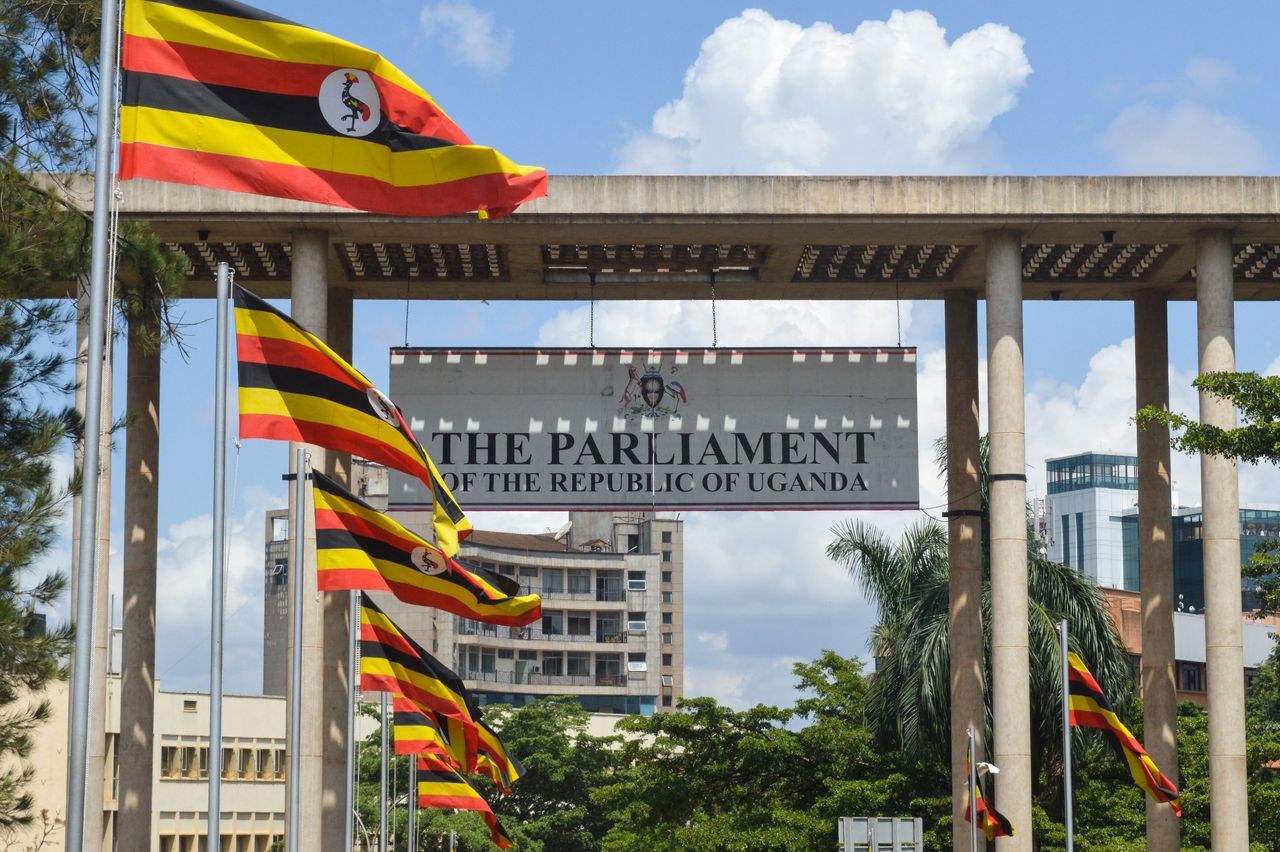
Policy analysts are raising alarms over Uganda’s escalating public expenditure, which they attribute to politically motivated decisions such as the creation of new administrative units.
They argue that while politically advantageous, this trend is diverting funds that could otherwise be used for service delivery.
The government’s wage bill for the public sector is projected to hit 8.55 trillion shillings in the 2025/26 financial year, alongside annual pension spending of Shs1.48 trillion.
Analysts describe this as a significant burden on taxpayers.
The creation of new administrative units, including districts and cities, is a key driver of this expenditure. Each new district requires a fresh layer of political and technical administration.
For instance, three new districts and one city translate into three additional Women Members of Parliament (MPs) and two division MPs, each attracting heavy costs.
In Tororo District, the addition of new administrative units has pushed the number of representatives from 8 to 13. The financial implications are substantial.
Each MP is entitled to a car worth Shs200 million, with monthly salary, housing allowance, and fuel costs estimated at a minimum of Shs50 million.
The cost of vehicles for Tororo’s 13 representatives alone is projected at 2.6 billion shillings.
Dr Arthur Bainomugisha, a policy expert, urged the government to fully operationalize decentralization instead of multiplying administrative units, warning that the current model has deprived citizens of essential services.
Godber Tumushabe, another governance analyst, went further, describing the proliferation of districts as “a conspiracy by the elite to defraud the public.”
He argued that the expansion serves as a political tool for consolidating state power rather than addressing development needs.
Both experts called on citizens to resist the narrative that more administrative units guarantee better service delivery.
They urged voters to reject leaders who back the creation of new districts, framing it as necessary accountability to curb the costly trend.
As government continues to expand its administrative footprint, the debate over public expenditure, service delivery, and political motivations is expected to intensify in the run-up to the 2026 elections.
