
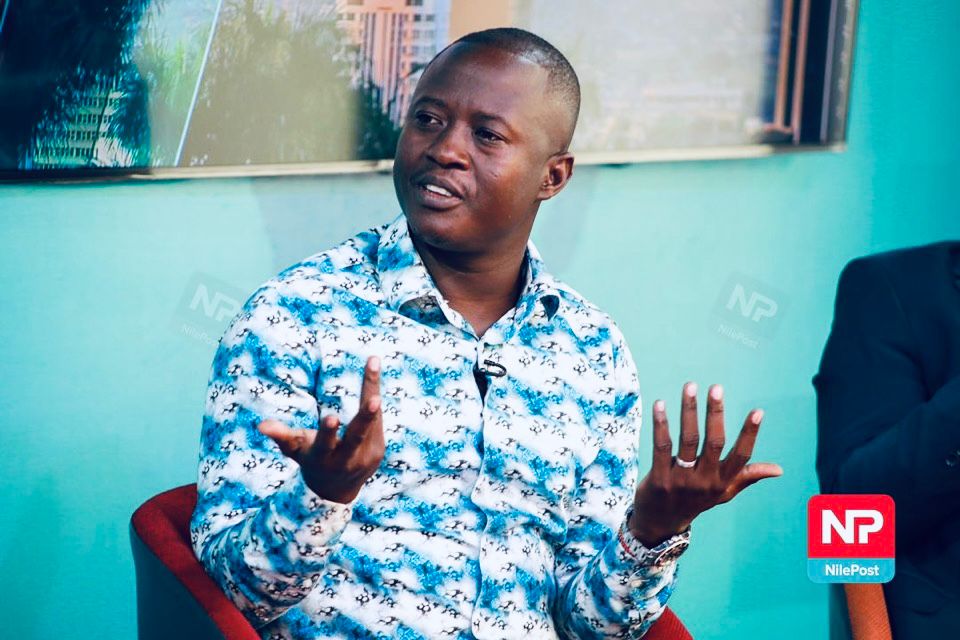
Respected journalist and political analyst Joseph Sabiti has issued a stark warning about rising youth unemployment and corruption in Uganda, calling out both the political elite and parts of the media for perpetuating a system that is failing the majority of citizens.
Speaking during an interview on NBS Television today, Sabiti said the growing desperation among young people — many of whom are jobless — is being ignored at the country’s peril.
“No Ugandan is happy with unemployment,” he said. “The beautiful part is that MPs are starting to feel the impact in the areas they represent. For now, it’s still calm, but as time goes on, they are going to start feeling the heat.”
Sabiti didn’t mince words when discussing the role of the media, suggesting that some journalists have become entangled in the same corrupt systems they are supposed to investigate.
“Pay keen attention to media coverage about corruption,” he said. “Those boys covering are also hungry. They want to satisfy their needs, drive expensive cars — the reporter is bribed, and the chain continues.”
The remarks have sparked renewed discussion about the integrity of Uganda’s media landscape and the broader consequences of widespread corruption.
With many reporters underpaid and working under difficult conditions, Sabiti acknowledged their vulnerability to bribery and political influence.
His comments reflect growing public awareness that institutions meant to protect citizens — from Parliament to the press — are often perceived as self-serving and detached from the real struggles of ordinary Ugandans.
Recent statistics from the Uganda Bureau of Statistics (UBOS) show youth unemployment remains one of the country’s most pressing issues, with nearly 60% of young people aged 18–30 either unemployed or underemployed.
Sabiti concluded with a cautionary note: “This isn’t just about economics. It’s about dignity, accountability, and whether our systems still work for the people. If nothing changes, the pressure will only grow.”
His message was clear: as the gap between leaders and the led continues to widen, so too does the risk of public unrest — and Uganda’s decision-makers may soon find themselves out of time.
