
Judges and magistrates have been urged to embrace reconciliatory justice approaches such as mediation, arbitration, conciliation, and reconciliation as part of a broader effort to reduce Uganda’s ballooning case backlog.
The call was made during a week-long regional judicial training currently underway at Wash and Wills Hotel in Mbale City.
Organised by the Judicial Training Institute (JTI), the training has brought together over 60 judicial officers from across Eastern Uganda.
The session is part of the judiciary’s ongoing reforms aimed at shifting from adversarial litigation to a people-centred, time-efficient, and affordable model of justice, as championed by the Chief Justice, Justice Alfonse Owiny-Dollo.
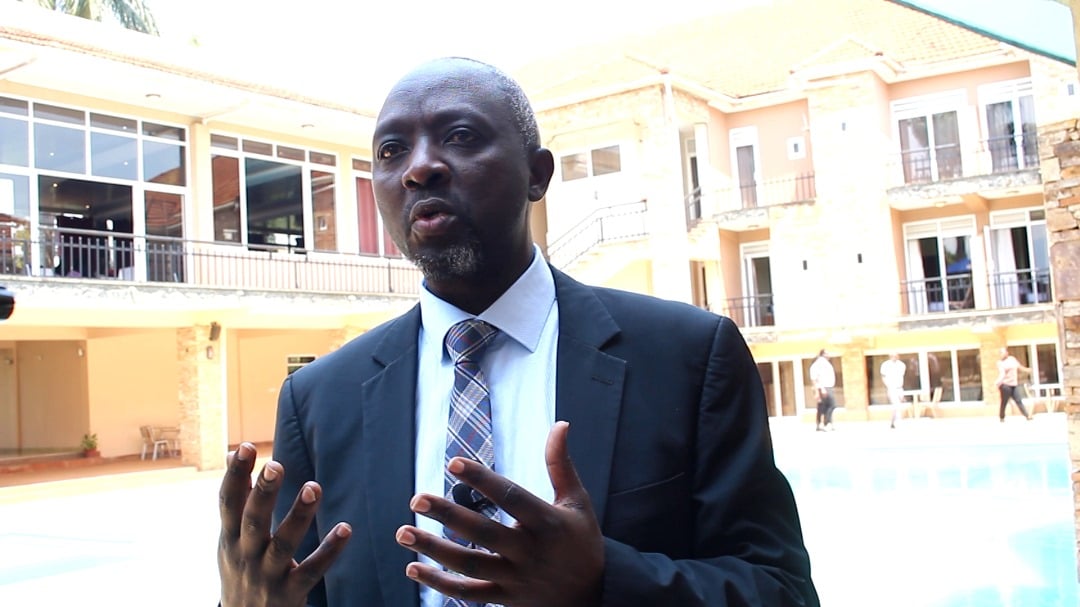
Speaking at the training, Justice Andrew Khaukha, executive director of the Judicial Training Institute, emphasised the urgent need for a mindset shift among judicial officers—from acting strictly as arbiters of disputes to becoming facilitators of peaceful resolution.
“The mindset has been adversarial, where parties argue their case and leave the decision to the judge. We are now saying, courts should encourage parties to mediate their cases. This is what the Chief Justice has been driving,” said Khaukha, a professor of jurisprudence.
He noted that despite key reforms such as increased judicial coverage and staff recruitment, case delays persist due to procedural bottlenecks, including unnecessary adjournments and preliminary objections.
“Only 10% of disputes in Uganda reach the courts. The remaining 90% are resolved at the community level, often through informal mechanisms. We want to formalise and strengthen this through ADR [Alternative Dispute Resolution],” he added.
Justice Khaukha warned that unresolved disputes—especially over land—often escalate into violence, sometimes with fatal consequences.
He stressed that integrating conciliatory methods into formal court procedures is essential to delivering timely justice and maintaining peace.
Former Deputy Chief Justice Hon. Justice Richard Butera, who also addressed the gathering, underscored the principles of effective mediation, particularly trust.
These, he said, include impartiality, confidentiality, party autonomy, and the restoration of relationships.
“Give equal time, demonstrate that they are equal and you have no favour, no bias,” Justice Butera said.
To institutionalise ADR, each judicial officer is now expected to mediate at least five cases per month—translating to 60 cases annually.
Justice Khaukha further revealed that court-accredited mediators have already been commissioned in Gulu, Mbale, Mbarara and other regions, with plans to roll out the initiative nationwide.
The programme will also be extended to advocates and other actors within the broader criminal justice system.
“The Chief Justice has also recently engaged cultural and religious leaders to strengthen the link between formal and informal justice systems,” he said.
The training is seen as a critical step toward modernising Uganda’s judiciary and ensuring access to justice that is not only efficient but also culturally relevant and restorative.
