
Uganda is intensifying efforts to combat energy-related emissions and modernize its fuel systems as the country prepares to implement its Fourth National Development Plan (NDP IV), set to run from 2025/26 to 2029/30.
The Ministry of Energy and Mineral Development says urgent policy shifts and structural reforms are now needed to protect public health and the environment.
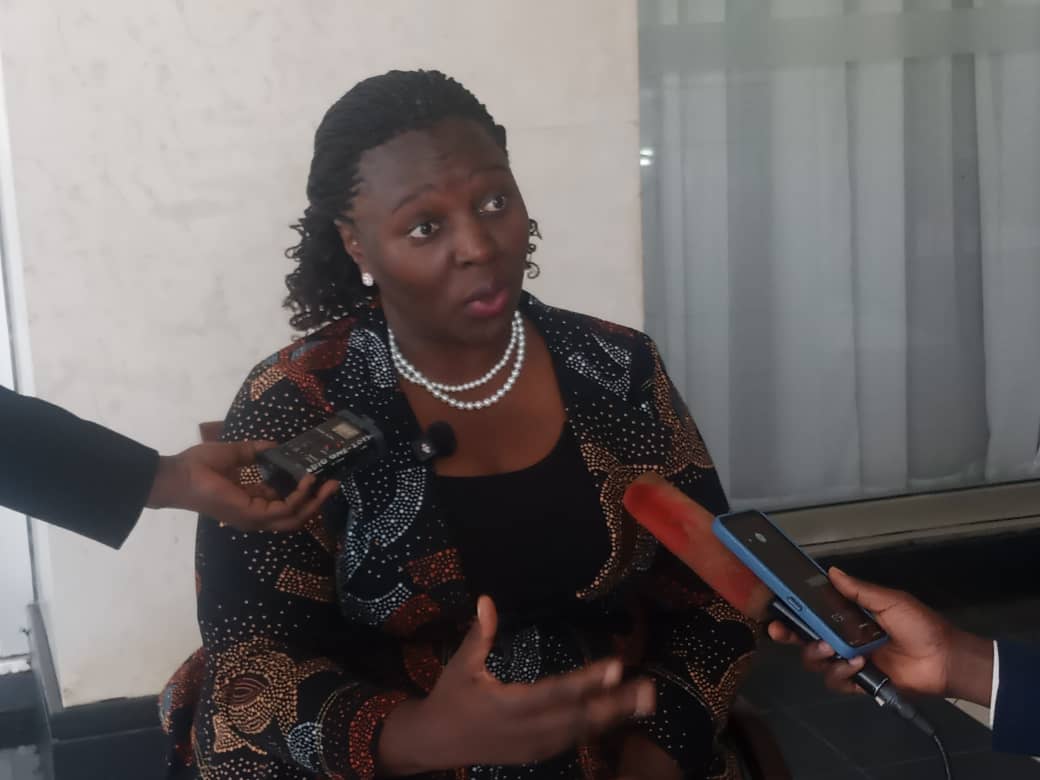
Speaking at a workshop marking the launch of Uganda’s emissions study findings, Permanent Secretary Pauline Irene Bateebe gave a stark assessment of the country’s air pollution and its health implications.
“This is not just about numbers on a page — it’s about our health, our environment, and quite frankly, it’s a matter of life and death,” she said.
Bateebe cited earlier studies showing the damaging effects of carbon monoxide on blood oxygen levels, suppressing hemoglobin and posing grave risks to Ugandans, especially in urban centres.
“We must move from results to real action,” she urged.
The ministry’s transition plan, which dovetails with NDP IV, is anchored on five pillars: universal electricity access, modernization and diversification of the energy mix, affordable energy supply, emissions mitigation, and positioning Uganda as a regional energy hub.
“We’ve committed to providing universal electricity access and modernizing our energy mix,” said Bateebe.
“On top of that, we aim to reduce emissions in line with Uganda’s nationally determined contributions under the UNFCCC, achieving significant reductions by 2030.”
One key initiative is the development of Uganda’s long-awaited oil refinery. Set to initially meet Euro 5 fuel standards, the refinery is expected to improve domestic fuel quality and reduce dependence on foreign supplies.
“This refinery isn’t just a vanity project; it will help us control fuel quality at home instead of relying on overseas refineries,” she said.
The ministry is also advancing a biofuels blending program, starting with a 5% ethanol mix and targeting a 20% blend over time.
This shift, officials say, will help reduce vehicle emissions and move Uganda closer to cleaner transportation.
Another major component is electric mobility, especially in the urban motorcycle taxi sector. Under a newly launched e-mobility framework, the government is working with private players and local firms such as Kiira Motors to transition boda bodas to electric power.
“These motorcycles are among the biggest culprits in choking our city air,” Bateebe noted. “Through partnerships and local manufacturing, we want to electrify this sector and build homegrown capacity.”
Yet Bateebe acknowledged serious institutional gaps. “It’s one thing to have a study; it’s another to transform it into a policy that works,” she said.
She called for stronger legal and regulatory frameworks, and inter-agency collaboration, particularly with the Ministry of Works and Transport, NEMA, academic institutions, and civil society.
To underscore the scale of the crisis, Bateebe shared a personal experience after visiting Kampala’s Old Taxi Park to measure air quality. The findings were so alarming, she said, that she decided never to use the park again.
“We are all driving around inhaling poison — and no one thinks twice,” she warned.
She further recommended that the emissions crisis be elevated to the Cabinet level to catalyse national policy attention.
“Our ambition for a clean and healthy Uganda is clear,” Bateebe concluded. “Now is the time for deliberate, collective action.”
