

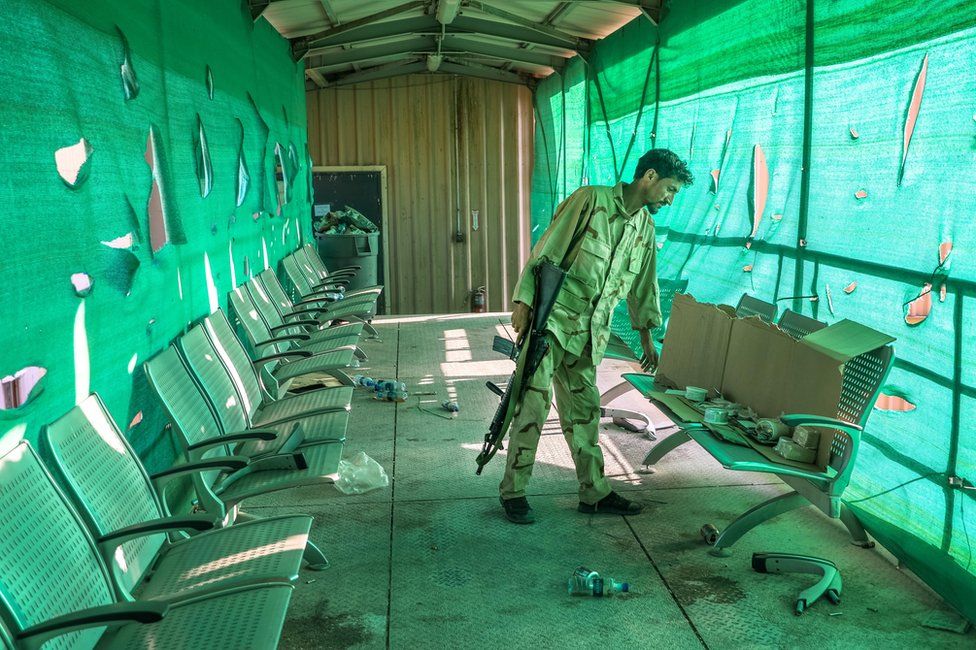
The US military left Bagram Airfield - its key base in Afghanistan - in the dead of night without notifying the Afghans, the base's new commander said.
General Asadullah Kohistani told the BBC that the US left Bagram at 03:00 local time on Friday, and that the Afghan military found out hours later.
Bagram also contains a prison, and there are reportedly up to 5,000 Taliban prisoners left in the facility.
The Taliban have been advancing rapidly in Afghanistan as US troops withdraw.
General Kohistani said on Monday that Afghan forces were expecting the Taliban to attack Bagram.
Speaking to reporters at the airbase, he said he was already receiving reports the group was making "movements in rural areas" nearby.
"You know, if we compare ourselves with the Americans, it's a big difference," Gen Kohistani said. "But according to our capabilities... we are trying to do the best and as much as possible secure and serve all the people."
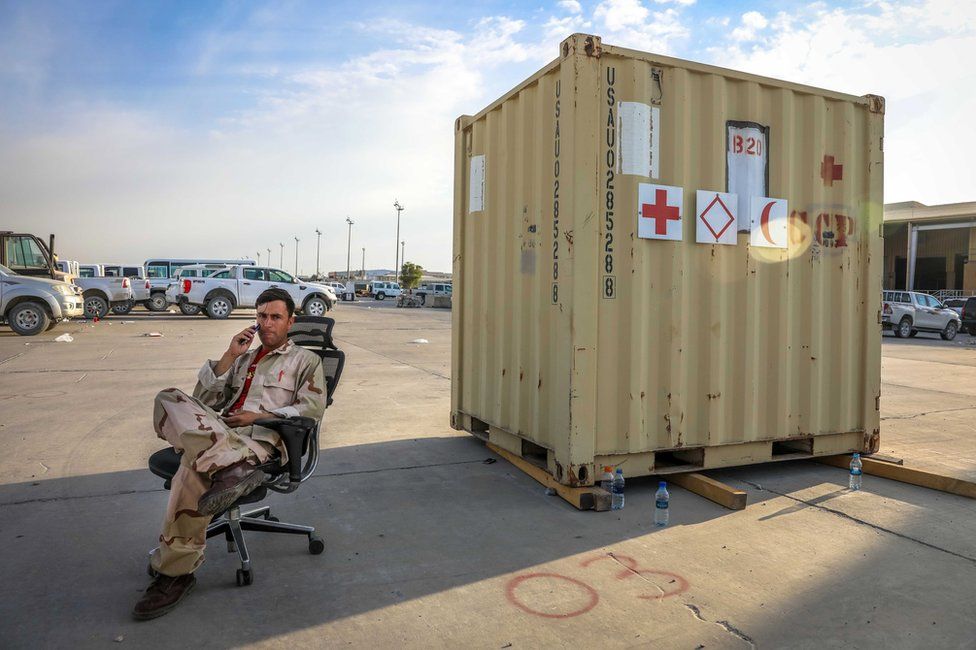
An Afghan army soldier keeps watch at Bagram, the morning after US troops withdrew during the night.
The US announced on Friday that it had vacated Bagram, effectively completing its military campaign in Afghanistan ahead of the official end date of 11 September, announced by President Joe Biden earlier this year.
The Americans left behind about 3.5 million items, Gen Kohistani said, including tens of thousands of bottles of water, energy drinks and military ready-made meals, known as MREs. They also left behind thousands of civilian vehicles, without keys, and hundreds of armoured vehicles, the Associated Press reported.
They took heavy weapons with them and detonated some ammunition stocks, but left behind small weapons and ammunition for the Afghans, Gen Kohistani said.
Asked by the Associated Press about the late-night withdrawal from the base, US military spokesman Colonel Sonny Leggett referred to a statement issued last week that said US forces had co-ordinated their departure from various bases with Afghan leaders.
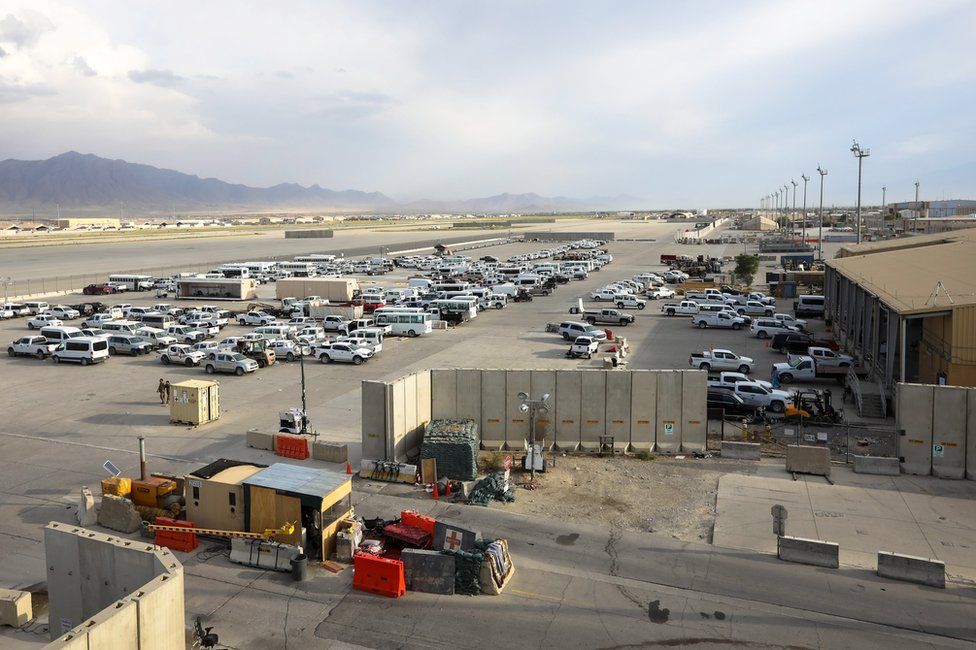
The US military left behind thousands of civilian vehicles and hundreds of armoured vehicles
Within 20 minutes of the US's departure on Friday night the electricity was shut down and the base was plunged into darkness, the AP reported - a signal to looters who smashed through barriers and ransacked the abandoned buildings. Leftover items from the base have ended up in nearby scrap yards and second hand shops.
At its height, Bagram base was home to tens of thousands of troops. It ballooned from a basic Afghan air base to a mini-city with swimming pools, cinemas, spas and imported fast food outlets Burger King and Pizza Hut.
The base has shifted hands over the years. It was first built by the Americans, for Afghanistan, back in the 1950s, before falling into Soviet control when the Red Army invaded in 1979.
It was later occupied by the Moscow-backed Afghan government and then a mujahideen administration, before eventually winding up in Taliban hands when the group swept to power in the mid 1990s.
When the US invaded in 2001, it deposed the Taliban and took control of the airbase, transforming it into a sprawling complex from which it fought its war against the group.
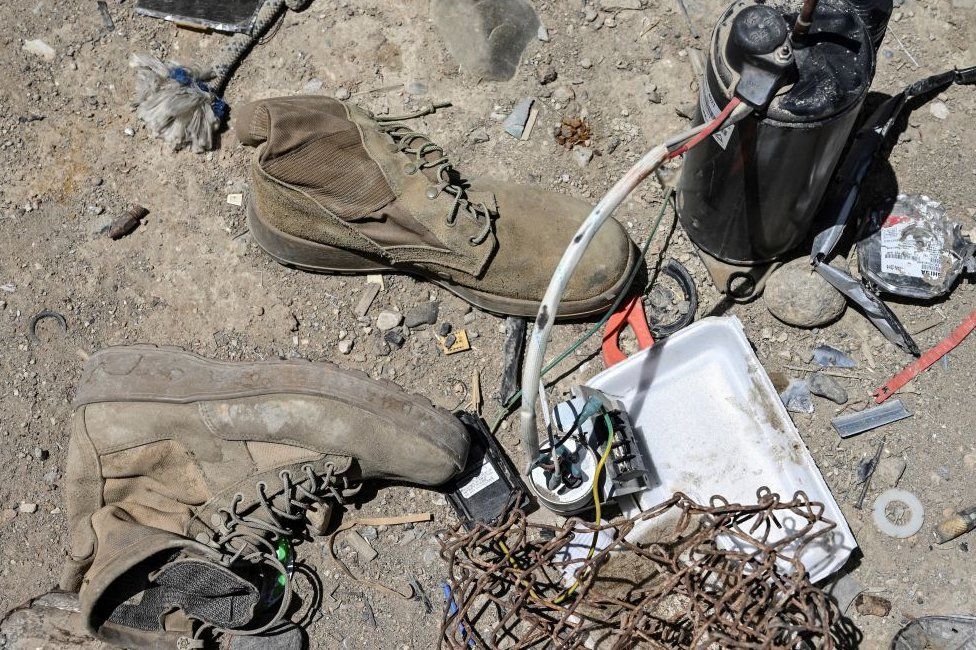
A pair of military boots lie on the floor next to other abandoned equipment in a scrap yard near Bagram airbase.
The late-night withdrawal by the US hands control of the base to a much less well-equipped force that could struggle to defend it from the Taliban, which has made swift advances in recent weeks across the country, seizing rural districts and surrounding some larger cities.
The group claims to have taken more than 10 new districts in the past 24 hours. Despite the movements on the ground, stalled peace talks were renewed last week between representatives of the Talibn and Afghan government in Doha, the capital of Qatar.
Zabiullah Mujahid, a Taliban spokesman, told the BBC that they would present a plan to the team negotiating on behalf of the Afghan government and both sides would discuss it.
Gen Kohistani has roughly 3,000 troops under his command - significantly less than the tens of thousands of US and allied soldiers that once occupied Bagram airbase.
About 1,000 Afghan soldiers fighting the Taliban in the north of the country fled over the border into Tajikistan on Monday, according to officials, raising fears over the military's ability to stave off further advances by the group.
Twenty years of conflict in Afghanistan – what happened when?
From 9/11, to intense fighting on the ground, and now full withdrawal of US-led forces, here’s what happened.
9/11
11 September 2001
Al-Qaeda, led by Osama Bin Laden in Afghanistan, carries out the largest terror attack ever conducted on US soil.
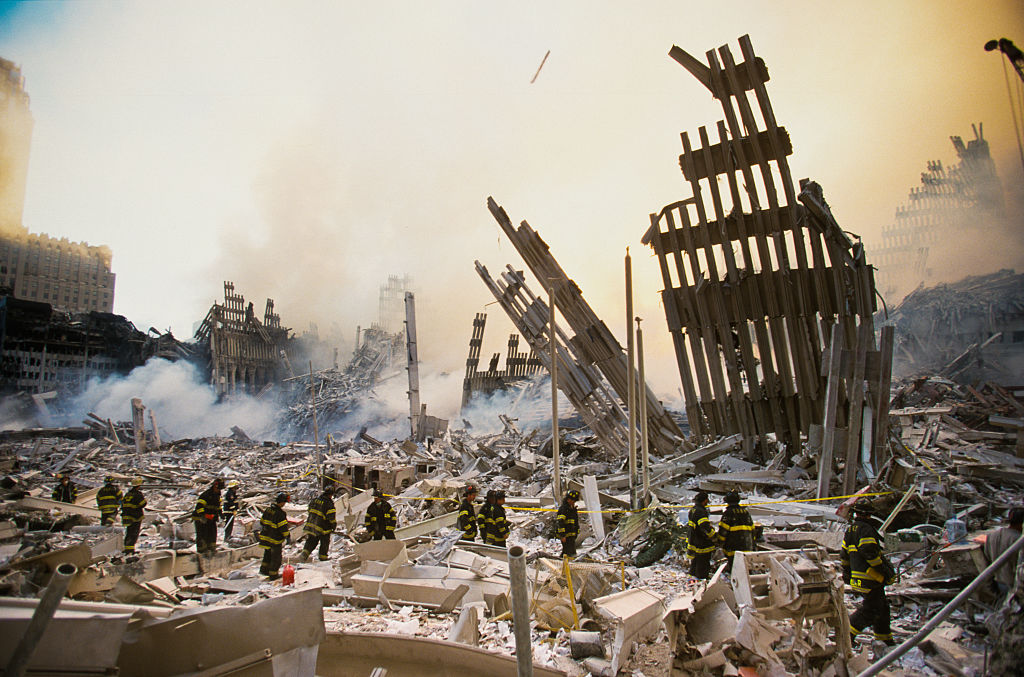
Four commercial airliners are hijacked. Two are flown into the World Trade Centre in New York, which collapses. One hits the Pentagon building in Washington, and one crashes into a field in Pennsylvania. Nearly 3,000 people are killed.
First air strikes
7 October 2001
A US-led coalition bombs Taliban and al-Qaeda facilities in Afghanistan. Targets include Kabul, Kandahar and Jalalabad. The Taliban refuse to hand over Bin Laden. Their air defences and small fleet of fighter aircraft are destroyed.
Fall of Kabul
13 November 2001
The Northern Alliance, a group of anti-Taliban rebels backed by coalition forces, enters Kabul as the Taliban flee the city.
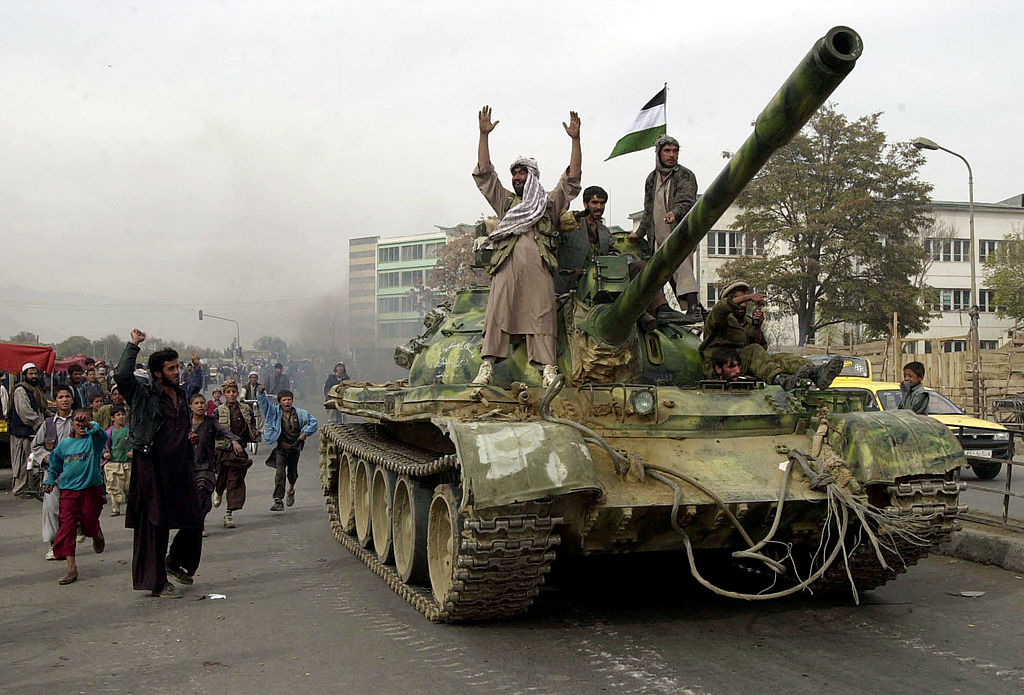
By the 13 November 2001, all Taliban have either fled or been neutralised. Other cities quickly fall.
New constitution
26 January 2004
After protracted negotiations at a “loya jirga” or grand assembly, the new Afghan constitution is signed into law. The constitution paves the way for presidential elections in October 2004.
Hamid Karzai becomes president
7 December 2004
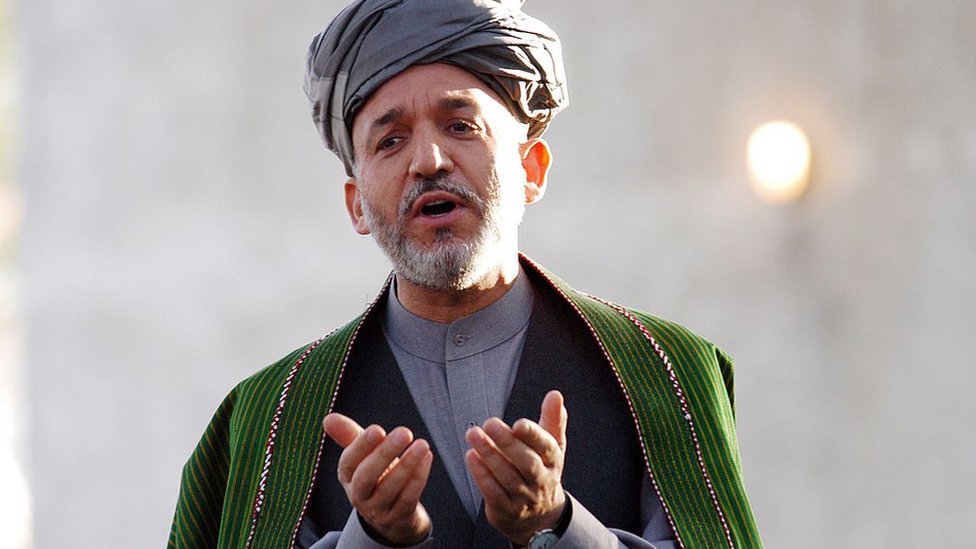
Hamid Karzai, the leader of the Popalzai Durrani tribe, becomes the first president under the new constitution. He serves two five-year terms as president.
UK troops deployed to Helmand
May 2006
British troops arrive in Helmand province, a Taliban stronghold in the south of the country.
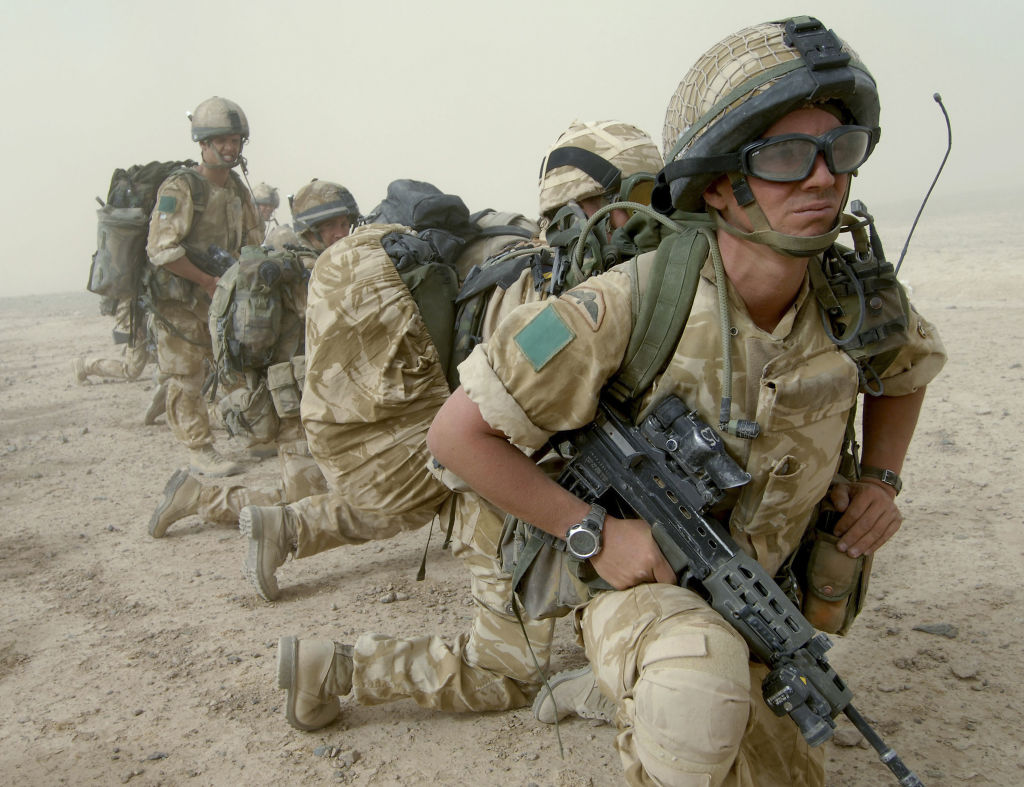
Their initial mission is to support reconstruction projects, but they are quickly drawn into combat operations. More than 450 British troops lose their lives in Afghanistan over the course of the conflict.
Obama’s surge
17 February 2009
US President Barack Obama approves a major increase in the number of troops sent to Afghanistan. At their peak, they number about 140,000.
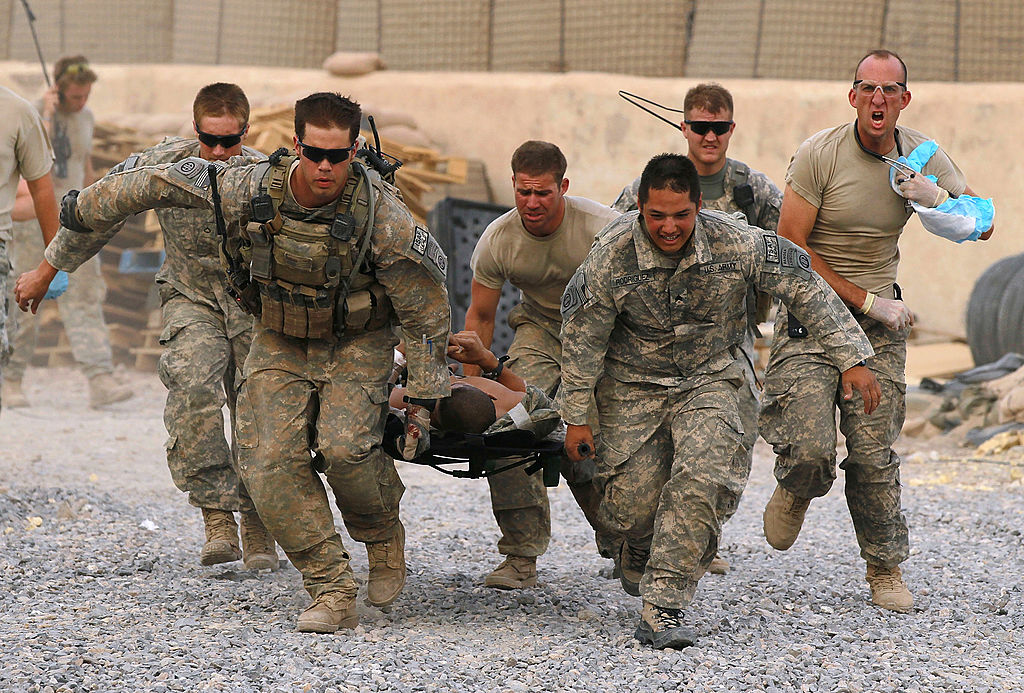
The so-called “surge” is modelled on US strategy in Iraq where US forces focussed on protecting the civilian population as well as killing insurgent fighters.
Osama Bin Laden killed
2 May 2011
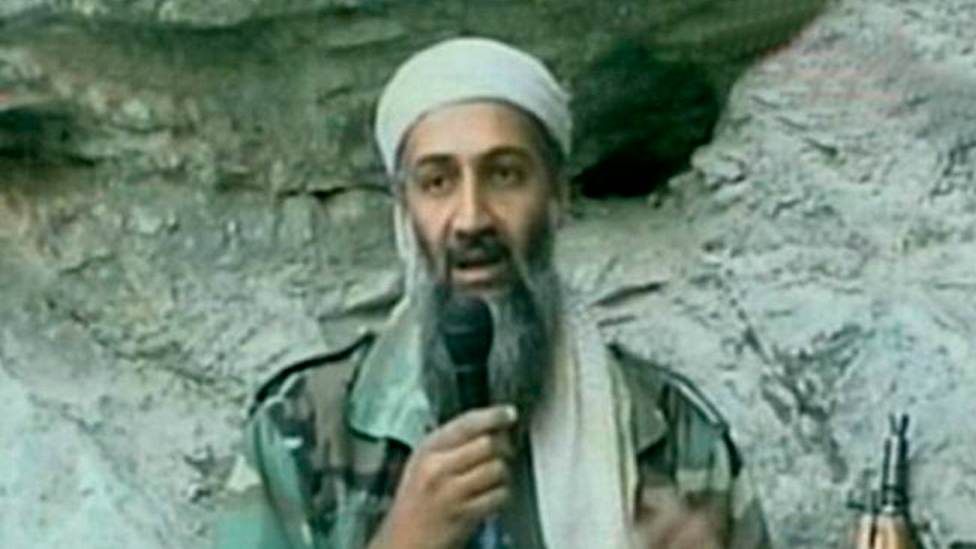
The leader of al-Qaeda is killed in an assault by US Navy Seals on a compound in Abbottabad in Pakistan. Bin Laden’s body is removed and buried at sea. The operation ends a 10-year hunt led by the CIA. The confirmation that Bin Laden had been living on Pakistani soil fuels accusations in the US that Pakistan is an unreliable ally in the war on terror.
Death of Mullah Omar
23 April 2013
The founder of the Taliban, Mullah Mohammed Omar, dies. His death is kept secret for more than two years.
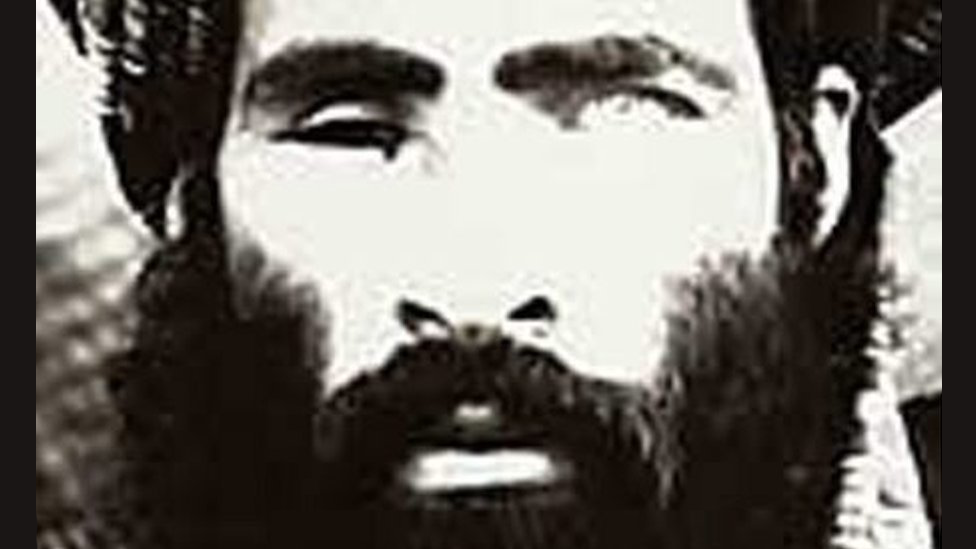
According to Afghan intelligence, Mullah Omar dies of health problems at a hospital in the Pakistani city of Karachi. Pakistan denies that he was in the country.
Nato ends combat operations
28 December 2014
At a ceremony in Kabul, Nato ends its combat operations in Afghanistan. With the surge now over, the US withdraws thousands of troops. Most of those who remain focus on training and supporting the Afghan security forces.
Taliban resurgence
2015
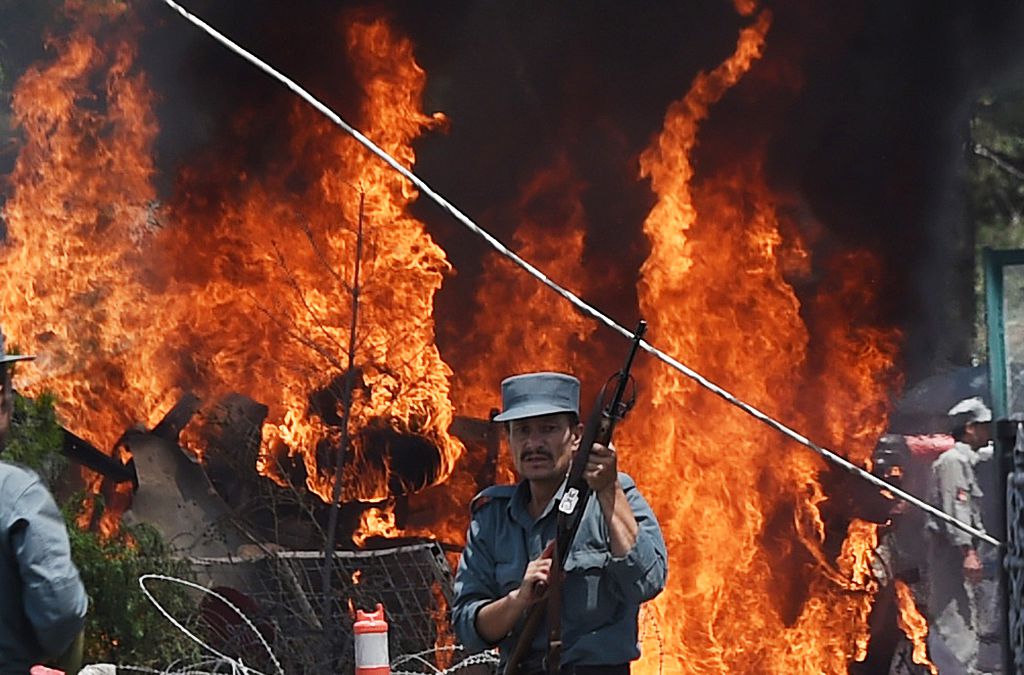
The Taliban launch a series of suicide attacks, car bombings and other assaults. The parliament building in Kabul, and the city of Kunduz are attacked. Islamic State militants begin operations in Afghanistan.
Death toll announcement
25 January 2019
Afghan President Ashraf Ghani says more than 45,000 members of his country’s security forces have been killed since he became leader in 2014. The figure is far higher than previously thought.
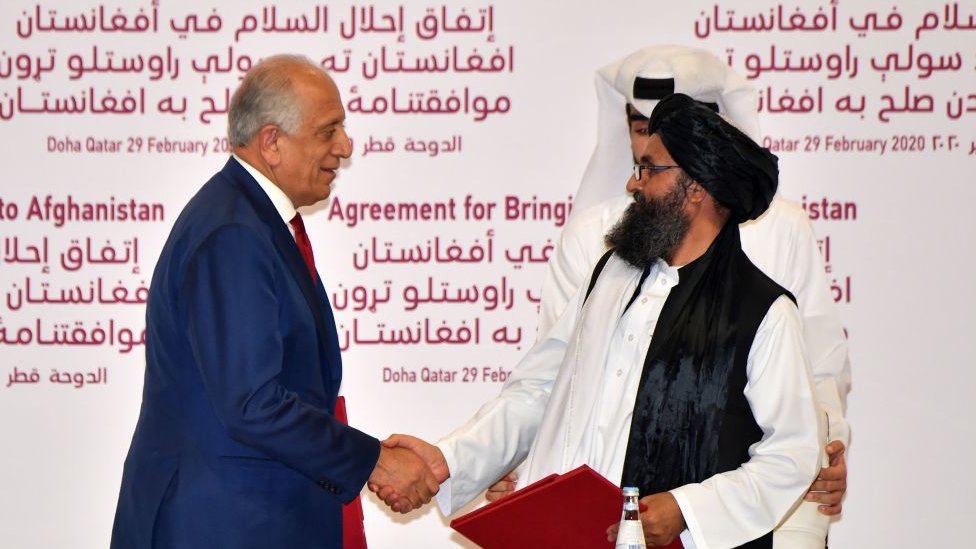
US signs deal with Taliban
29 February 2020
The US and the Taliban sign an “agreement for bringing peace” to Afghanistan, in Doha, Qatar. The US and Nato allies agree to withdraw all troops within 14 months if the militants uphold the deal.
Date for final withdrawal
11 September 2021
US forces are scheduled to withdraw from Afghanistan by 11 September 2021, exactly 20 years since 9/11. There are strong indications that the withdrawal may be complete before the official deadline.
Source: BBC