

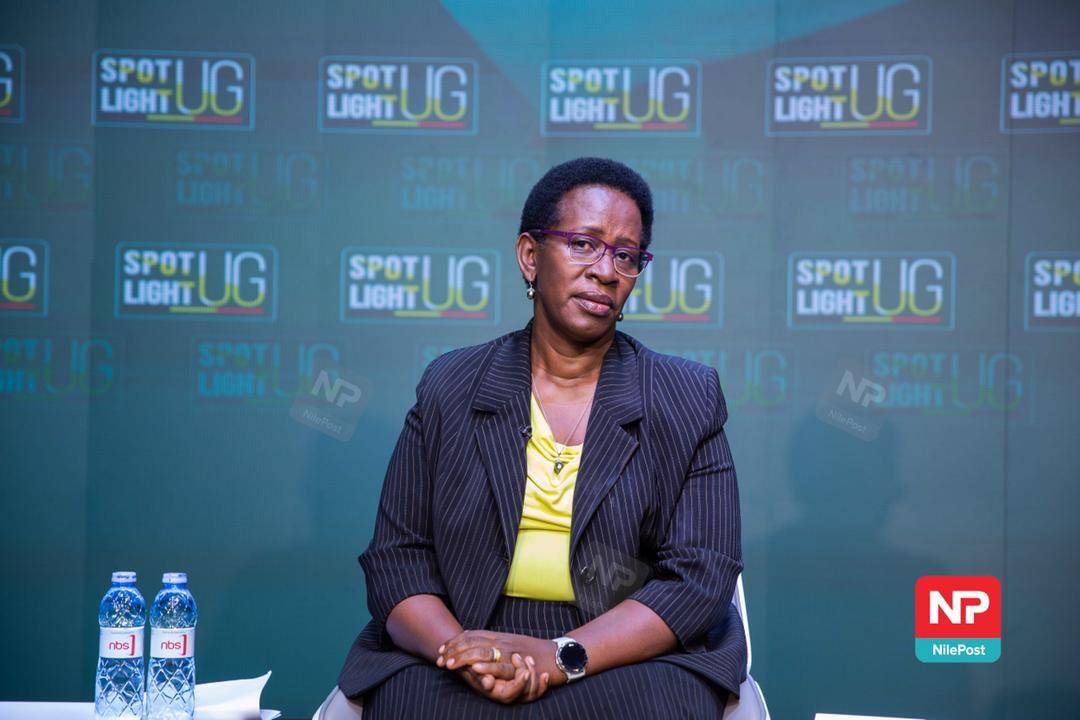
The Permanent Secretary at the Ministry of Health, Dr Diana Atwine, has appealed to the public to stop making remarks that demoralise frontline health workers involved in responding to disease outbreaks, saying many continue to risk their lives despite delayed or unpaid facilitation.
Speaking during a meeting with tourism stakeholders and hotel owners on Tuesday, Dr Atwine expressed concern over social media comments suggesting that health workers and government officials financially benefit from disease outbreaks.
“We appeal to you all to stop demoralising the people who are working day and night to save this country from such outbreaks. When we see messages such as, ‘Go and enjoy your Shs90 billion,’ it is deeply hurtful,” Dr Atwine said.
She noted that such remarks affect not only health workers but also their families, friends and communities, who witness the criticism directed at those on the frontlines of public health emergencies.
According to Dr Atwine, many frontline responders continue to work under challenging conditions and often receive little or no additional compensation despite the risks they face.
“Many of those frontline health workers risk their lives, often without any additional pay, and some wait months before receiving facilitation for work already done. Some are still demanding payment for work done during previous outbreaks,” she said.
Dr Atwine called on the public to appreciate the contribution of healthcare workers, surveillance teams, laboratory personnel and other responders involved in controlling disease outbreaks across the country.
“We therefore ask for your understanding and support, to recognise the sacrifices being made by the many dedicated men and women working tirelessly, risking their own lives to keep our communities safe,” she said.
Her remarks came during an engagement with tourism stakeholders and hotel owners as the Ministry of Health continues efforts to strengthen disease surveillance, preparedness and response mechanisms.
Dr Atwine emphasised that outbreaks remain a serious public health threat and urged the public to support ongoing response measures rather than undermine them through misinformation and negative commentary.
“These diseases are deadly and our efforts should not be watered down,” she said.
Uganda has in recent years responded to several public health emergencies, including Ebola outbreaks, with frontline health workers playing a critical role in surveillance, case management, contact tracing, laboratory testing and public sensitisation efforts aimed at containing the spread of disease.
