
In Private International law, domicile is one of the most important concepts. It determines which country’s law governs a person’s civil status, family matters, succession, and even the validity of marriage.
In Uganda, like in most common law jurisdictions, domicile is understood as the place a person regards as their permanent home; the place to which they intend to return whenever absent. It is not simply where you live, but where the law considers your permanent legal home.
When marriage crosses borders; whether by venue or nationality, domicile becomes the anchor point in deciding which laws will apply, especially concerning property, inheritance, and divorce.
To understand its practical application, let us consider two examples.
Example 1: Two Ugandans Marrying Abroad
Imagine a Ugandan couple that decides to hold their wedding in Mombasa, Kenya, at a popular beach resort. They are legally eligible to marry under Ugandan law but prefer the glamour of a destination wedding as part of their bucket list.
Here, domicile plays a critical role:
Because both are domiciled in Uganda, their marriage remains subject to Ugandan law when it comes to capacity to marry, recognition, and the long-term consequences of their union.
The fact that the ceremony takes place in Kenya does not strip their marriage of validity in Uganda, as long as the formalities of Kenyan law are respected and the marriage complies with Ugandan capacity rules (for instance, both parties being 18 years or older and not already married under a monogamous regime as Ugandan law requires in the case of Church and Civil weddings, in line with the Ugandan Constitution, relevant legislation and court precedent).
Courts remain concerned with the permanent home and intent, in terms of where the individuals are truly domiciled, not just where the ceremony happened.
In case of divorce or property disputes, Ugandan courts will likely apply Ugandan law because that is their domicile, even if the wedding venue was abroad.
In effect, domicile ensures that the substance of their marriage is still rooted in Ugandan law, regardless of the chosen destination.
Example 2: A Ugandan lady marrying a foreign national
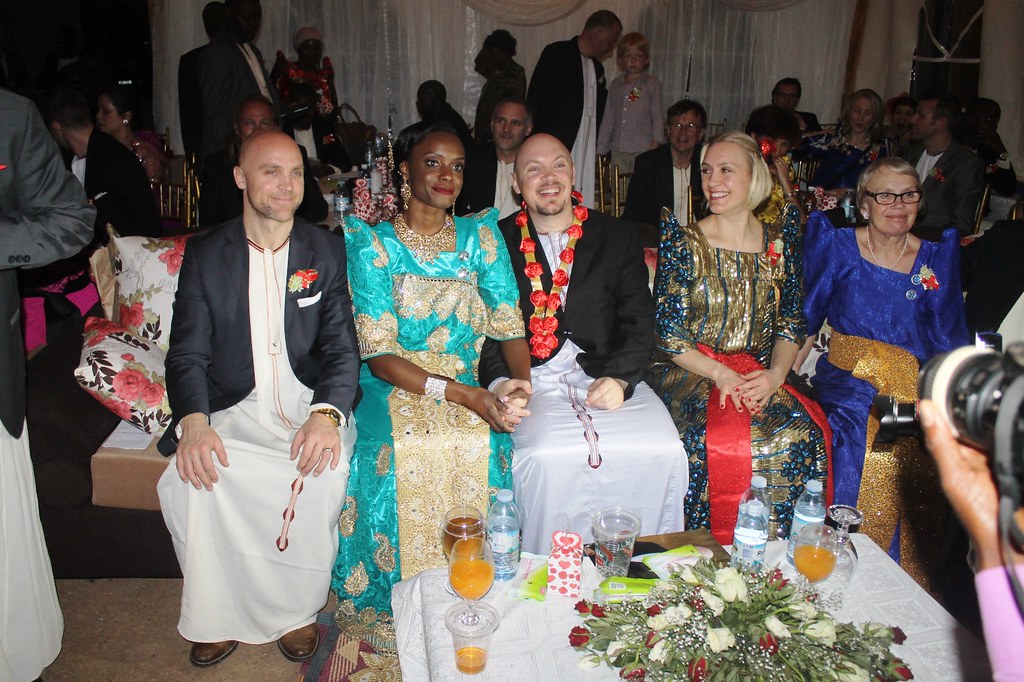
Now consider a second scenario. A Ugandan woman marries a European man in Kampala. Here, domicile raises more complex questions.
At the time of marriage, each party retains their own domicile: the man remains domiciled in his country of nationality (say, Germany), while the woman remains domiciled in Uganda.
The law governing capacity to marry will generally be determined by each party’s domicile. For example, if German law required parental consent for certain young ages, while Ugandan law did not, that could complicate recognition.
After marriage, the question becomes: which law governs their marital property, succession, or divorce?
If they live in Uganda and the husband establishes residence with the intention of permanent settlement, he may acquire a domicile of choice in Uganda. In that case, Ugandan law would likely govern their matrimonial property regime and divorce proceedings.
If he maintains ties to Germany, and the couple later separates, Private International Law rules would require Ugandan courts to weigh both domiciles in deciding jurisdiction and applicable law.
In matters of property division, courts often look to the law of the couple’s matrimonial domicile; that is, where they set up their home together after marriage.
Thus, domicile can shift the legal framework drastically, affecting everything from property rights to custody and succession.
Why It Matters for Couples
For couples, domicile is not just a technical legal term. It determines:
- Recognition of Marriage: Whether Uganda recognises a marriage celebrated abroad.
- Jurisdiction for Divorce: Which courts have authority to hear divorce cases.
- Property Rights: Whether Ugandan law (which now formally recognises matrimonial property sharing under constitutional principles and case law) or a foreign regime applies.
- Succession and Inheritance: Which law governs property upon death of a spouse.
Uganda’s courts have repeatedly emphasised that domicile is a decisive factor in cross-border marriages. For further reading, a good reference substantiating domicile of origin and domicile of choice is the case of Naude v. Naude 2002 (1) BLR 30.
Locally, Ugandan case law on conflicts of law has recognised domicile as the foundation for determining applicable law in family disputes.
Domicile in the context of marriage is more than where one lives. It defines the legal system that governs the union.
For Ugandans marrying abroad, domicile ensures Ugandan law follows them. For mixed-nationality marriages, domicile determines whether Ugandan or foreign law controls questions of property, divorce, and inheritance.
As globalization increases, understanding domicile is vital for couples to plan wisely; not just for the wedding day, but for the lifelong legal consequences of their union.
About the Author
Jason J. Nahaabwe is a Ugandan lawyer with regional experience in commercial and family law, complemented by training in finance, arbitration, and communications.
