

By Rudi Veestraeten,
Ambassador of Belgium
Today, we celebrate World Health Day and the 75th anniversary of the World Health Organization (WHO). I write these words as the Ambassador of Belgium and as a diplomat of the European Union in Kampala.
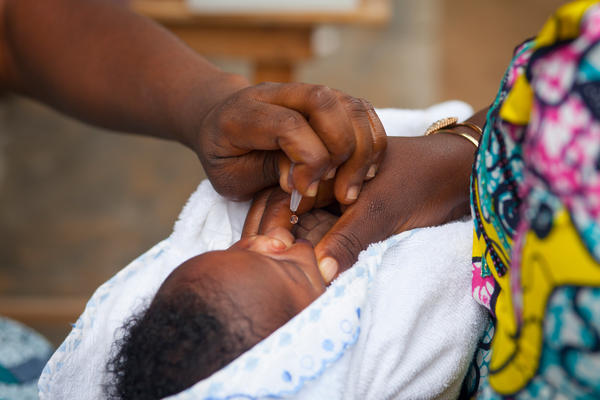
WHO calls for a reflection on our public health successes worldwide. Those successes have greatly improved quality of life during the last seventy-five years. Less mothers die while giving birth. The rate of children dying at young age has strongly decreased. Broad availability of antibiotics saves so many lives. And most of all: vaccination campaigns dramatically improved life expectancy.
This anniversary is also an opportunity to look at the future. How to tackle the health challenges of today and tomorrow?
The events of the past three years have indeed challenged health systems world over. Corona has had an enormous impact on health, but also on other key aspects of our lives. Social contacts, the economy, schools, travel were severely impacted by the pandemic. None of us have forgotten how deeply everything changed for almost two full years.
In Uganda, corona was followed by an outbreak of ebola at the end of 2022. “Just when we thought we were out, they pulled us back in”, paraphrasing a quote from Michael Corleone in the film “The Godfather III”. Ebola showed that health systems need to be resilient and prepared for the next shock.
Health For All, the theme of this year’s World Health Day celebration, is simple yet loaded. The right to health is a fundamental human right. Both the UN declaration of human rights and the Constitution of Uganda guarantee access to medical services for all. It includes creating conditions for all to live a healthy life. Gender equality and non-discrimination of minorities, also of sexual minorities, are part and parcel of those human rights.
If we want to make health for all a reality, Uganda needs to prioritize the health agenda and the budgetary allocations to implement that agenda. In 2022/2023, the share of health in the national budget stands at 7.7%. This is only half of what Uganda committed to in accepting the 15% Abuja target. That share for health is further projected to decrease to 6.5% in the next financial year.
Belgium, other partners in the European Union and international organizations have invested in the health sector. Specifically for Belgium, we have paid 212 billion UGX in the past ten years. We now added 80 billion UGX for the new social protection program. An additional 80 billion UGX for health is in the pipeline for the next five years (2023-2027). This can only work if the Government of Uganda does its share and provides the necessary budget to the health sector, like it publicly committed to do years ago.
WHO calls to action. Sub-Saharan Africa has 24% of the global disease burden, yet only 3% of the world’s health care workers. The high population growth further endangers quality of life and health. Health and sustainable development are intrinsically linked. Good public health care is the basis of economic growth. Good public health is essential for prosperity and wealth creation. Every 1$ invested in improving health produces an economic return of 2 to 4$ (McKinsey Global Institute, 2020 study “Prioritizing health: A prescription for prosperity”). Benefits go to the individual and stretch out to household, community, and national level.
The Government of Uganda is the primary duty bearer to ensure the right to health of its citizens. Since many years I have called upon our partner, the Government of Uganda, to step up its efforts in addressing the gaps in social service delivery and specifically in health. Investment in these areas equals investment in the important economic foundations of the country. It will bring huge returns in the future, whereas failure to do so may come at an unbearable cost.
Rudi Veestraeten, Ambassador of Belgium
