

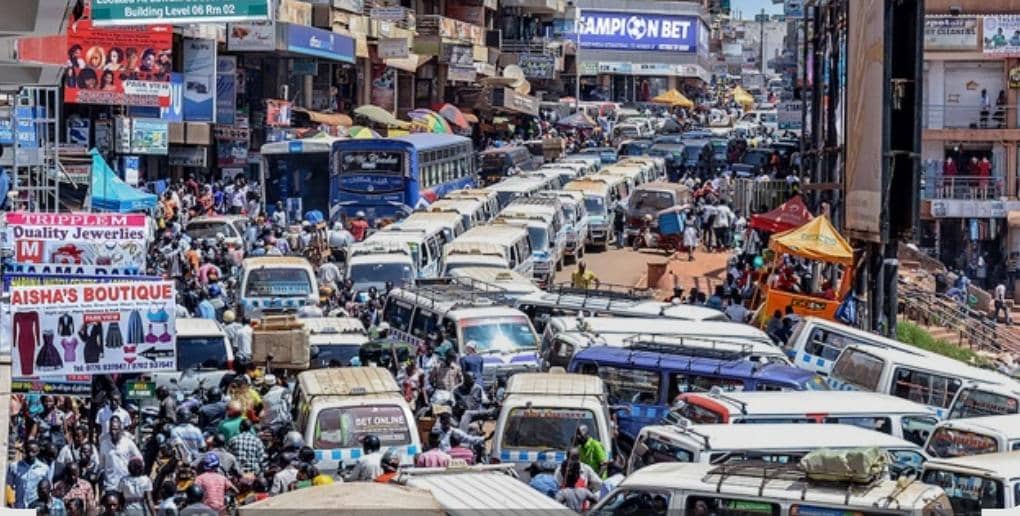
As dawn breaks over Kampala each day, the city surges to life with a constant flow of commuters heading in and out of the city centre.
At the heart of this movement is a public transport system that has become indispensable to millions, yet increasingly difficult to regulate.
From the ubiquitous minibuses, commonly known as taxis, to the fast-moving boda bodas, these services account for nearly 90 percent of daily transport in the capital.
Their appeal is simple: they are affordable, accessible, and, for many residents, the only viable option in a rapidly growing city.
But beneath this convenience lies a system under strain.
Kampala’s reliance on public transport did not emerge overnight. As far back as the 1940s, the Uganda Transport Company, then under colonial administration, provided structured long-distance travel.
By the 1950s, taxi services had taken root, expanding mobility across both urban and rural areas. The introduction of boda bodas in the 1960s—first at border points like Busia—marked a turning point, as bicycles (later motorcycles) proved effective in navigating narrow roads and traffic congestion.
This gave the rise to what the cross-border townships called border-border before the lingua and spelling became what is today known as boda boda.
However, the collapse of state-run giants such as the Uganda Transport Company and the Peoples Transport Company in the 1990s shifted the burden almost entirely to private operators. Today, Kampala’s transport network is dominated by individually owned taxis, buses, and motorcycles.
For many commuters, taxis remain the preferred option—especially during heavy rains—offering relative comfort at low fares. Industry leaders say the sector not only keeps the city moving but also contributes significantly to government revenue through taxes and licensing fees.
Yet, the system’s weaknesses are increasingly visible.
Many vehicles on the road are in poor mechanical condition, raising concerns about safety. Reckless driving is also widespread, particularly during peak hours, when some drivers ignore traffic rules, drive on the wrong side of the road, or pick up passengers in unauthorized areas.
Transport operators often blame deteriorating road infrastructure and limited institutional support, arguing that enforcement alone cannot fix systemic problems—especially when more than 80 percent of residents depend on their services.
Boda Bodas: Speed, Survival, and Risk
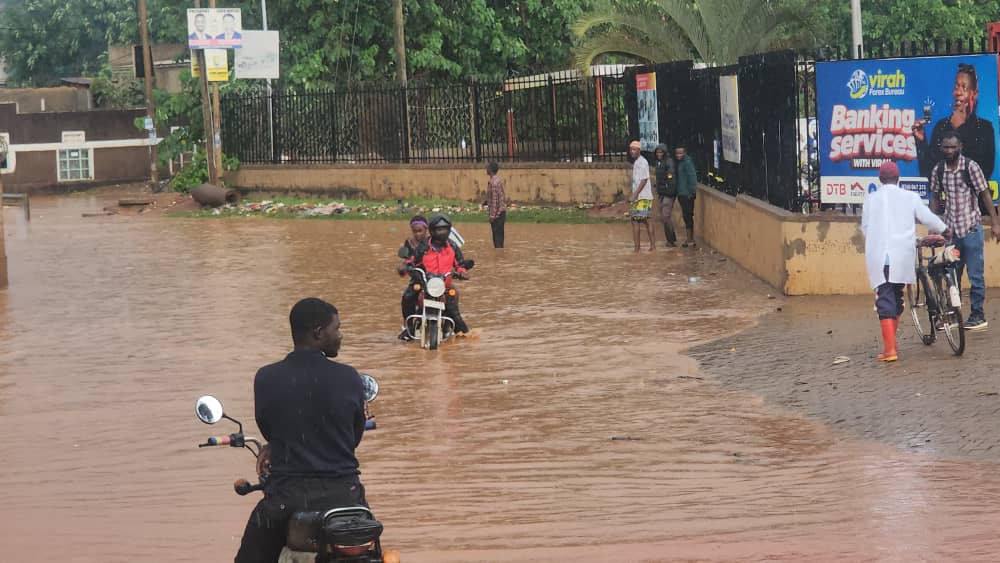
If taxis are the backbone of Kampala’s transport system, boda bodas are its pulse.
Used by an estimated 70 percent of commuters, boda bodas offer unmatched speed and flexibility, weaving through traffic where larger vehicles cannot. With over 1.5 million motorcycles across Uganda, the sector has become a major source of employment and economic activity.
However, its rapid expansion has come at a price.
Unlicensed and poorly trained riders are common, often flouting traffic rules and putting lives at risk. At busy junctions, it is not unusual to see riders jumping red lights or riding onto pedestrian paths to bypass congestion.
Veteran rider Anthony Mawejje says the profession has changed dramatically over the years. While he takes pride in his work, he worries about the growing number of inexperienced operators.
“Many don’t have training, licenses, or even a basic understanding of road safety,” he says.
Beyond road safety, security concerns have added another layer of complexity. Criminals have increasingly been reported to pose as boda boda riders or taxi operators, targeting unsuspecting passengers.
For commuters, this has created a difficult reality: the very system they depend on for daily survival can also expose them to danger.
Government Response and Ongoing Tensions
Authorities have responded with a series of enforcement operations aimed at restoring order. Crackdowns targeting unregistered vehicles, unlicensed riders, and traffic offenders have become more frequent.
Officials say these measures are necessary to reduce accidents and protect the public.
But operators remain skeptical. Many accuse the government of prioritizing evictions and enforcement over meaningful investment in infrastructure and sector support. Poor roads, they argue, continue to worsen congestion and vehicle wear, further complicating an already fragile system.
An Essential Yet Imperfect System
Despite its challenges, Kampala’s public transport system remains the city’s lifeline. It connects workers to jobs, students to schools, and businesses to customers—powering the daily rhythm of urban life.
The question now is not whether the system is necessary, but how it can be improved.
