

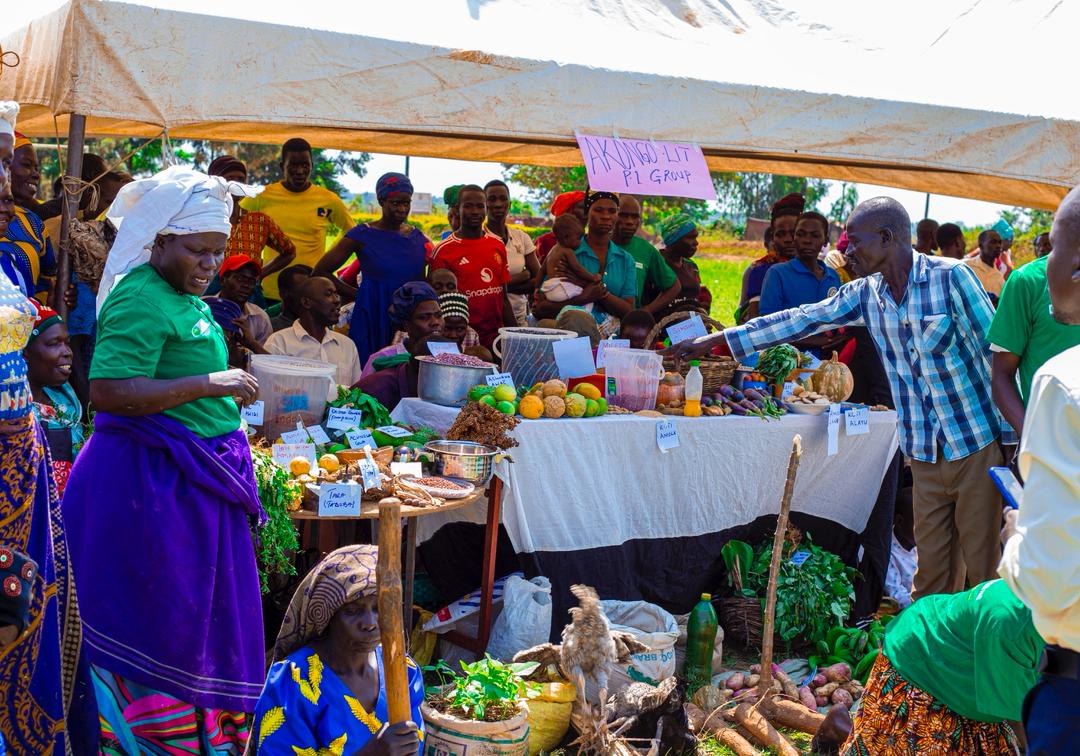
For generations, traditional food systems have provided rural communities with diverse, nutritious, and culturally significant diets while also safeguarding agricultural biodiversity.
But in recent years, indigenous seeds have faced increasing threats from the spread of improved commercial varieties, raising concerns over food sovereignty and the erosion of cultural heritage.
After a successful inaugural event in 2023, FAPAD, working with RAAP, will this year host the second Indigenous Seed and Food Fair in Amolatar.
The annual gathering is part of broader agroecology initiatives designed to strengthen food security in the region and reconnect communities with their traditional food practices.
Joyce Akello, the Executive Director of FAPAD, said reliance on improved seeds distributed by corporate companies has increased farmers’ dependency, undermining resilience.
“The indigenous seeds face a growing threat from the spread of improved seeds distributed by corporate companies. This shift has increased farmers’ dependency on commercial seeds, eroding seed sovereignty and endangering the region’s food heritage,” Akello said.
According to event organiser Grace Akullu, this year’s fair will highlight the importance of farmer-managed seed systems and sustainable land practices in safeguarding food sovereignty.
“The platform will foster dialogue among farmers, policymakers, and community members on protecting local food systems for future generations,” Akullu said.
Farmers, too, see the fair as a timely intervention.
“I am truly happy with such an initiative of empowering us with such knowledge at no cost. It is a great opportunity, and I encourage my fellow farmers to attend and learn more about indigenous seeds,” said Okeng Isaac, a farmer from Amolatar.
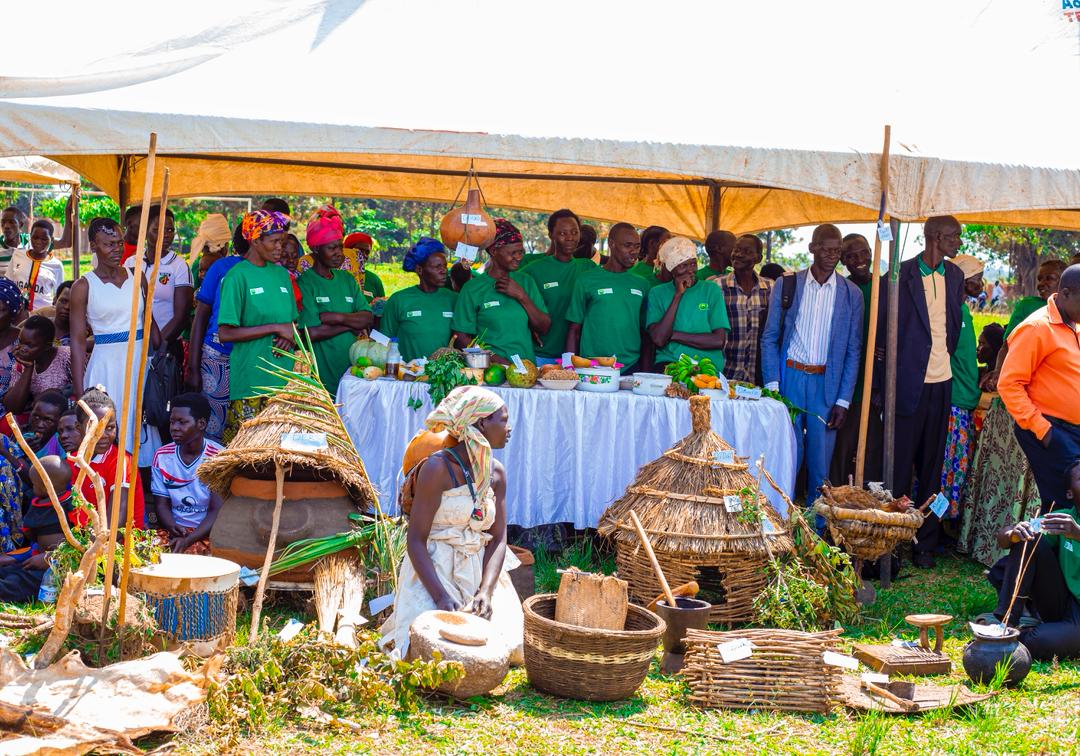
Held under the theme, “Harvesting and Consuming Healthy and Nutritious Indigenous Food,” the fair will also promote the cultivation of local foods as both a health benefit and a business opportunity.
Farmers are being challenged to adjust their practices by integrating science, traditional institutions, and new technology in order to build resilience.
The event is expected to attract participants from farmer groups, cooperatives, organic input dealers, development partners, civil society organisations, cultural leaders, and local government.
“This is not just a fair, but a gathering to relearn what we had long abandoned in favour of other practices,” Akullu said.
