

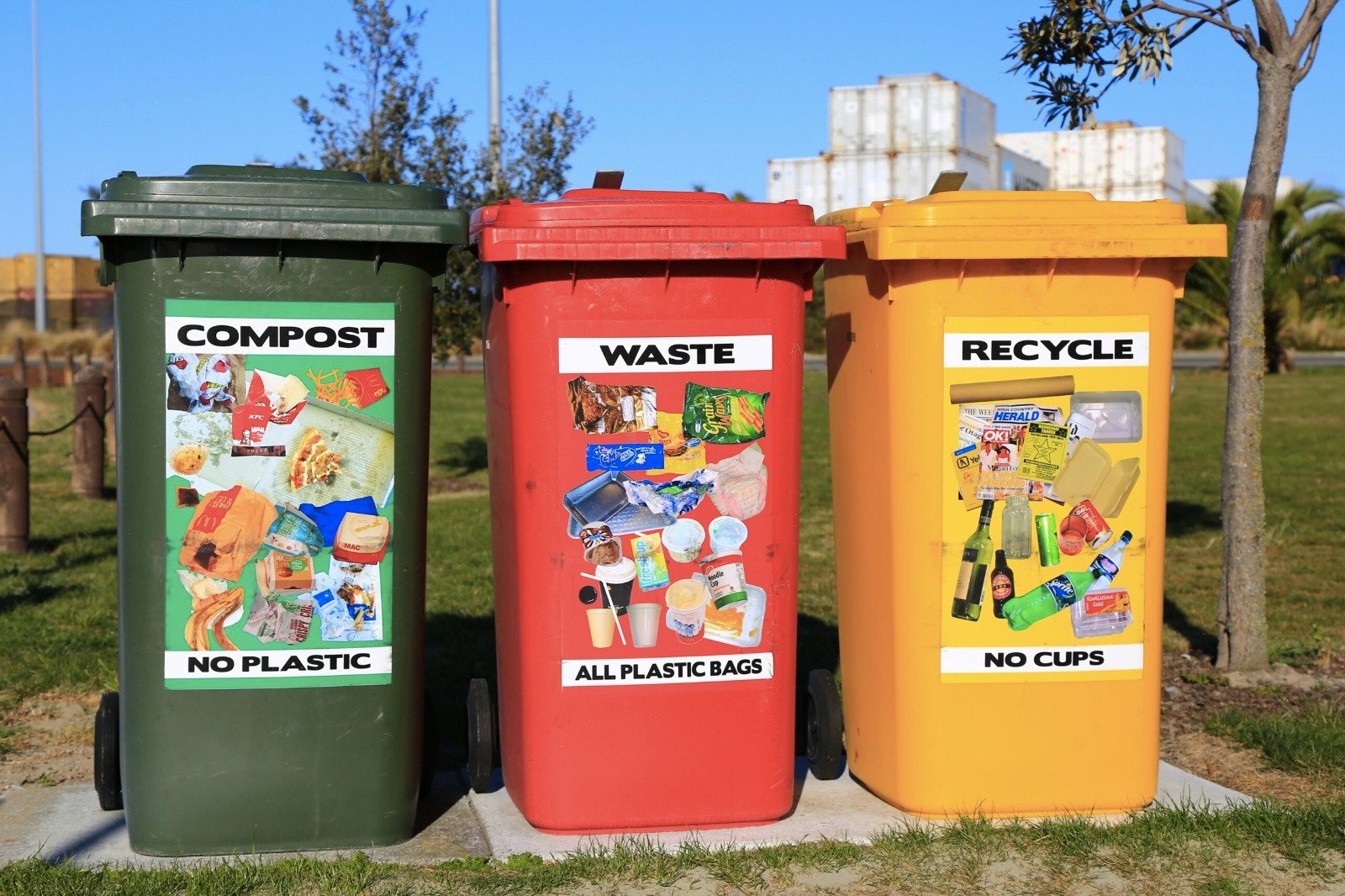
Waste isn’t just a city issue, it starts at home. And so do the solutions. One of the biggest challenges facing Kampala today is the growing amount of unmanaged waste. But there's a simple and powerful solution that begins with each one of us: sorting waste at the household level.
According to James Bond Kunobere, Deputy Director of Sanitation and Environment Management at KCCA, communities play a key role. “We must understand that the community is the originator of the waste. Their first role is to manage that waste in a way that can facilitate its collection — starting with proper sorting.”
So how do you sort your waste at home?
1. Separate Organic and Inorganic Waste
* Organic waste includes food scraps, vegetable peels, and garden trimmings — these can be composted.
* Inorganic waste includes plastics, metals, glass, polythene, and paper.
2. Break Down Inorganic Waste Further
* Separate plastics (e.g. water bottles)
* Polythene bags (kaveera)
* Metals (e.g. tins, wires)
* Glass (e.g. broken bottles, jars)
* Paper (e.g. cartons, newspapers)
3. Label Your Bins or Sacks Use different containers or sacks to collect different types of waste. This makes collection and recycling easier.
4. Compost Your Organic Waste If you have space, create a compost pit for food waste — it reduces the waste you throw out and gives you free fertilizer.
5. Avoid Mixing Hazardous Waste Batteries, broken bulbs, and e-waste should be kept separately and taken to designated disposal points.
Why this matters:
Proper waste sorting makes collection easier, reduces what ends up in landfills, creates income opportunities, and keeps our city clean.
Let’s take responsibility and start at home because My Waste is My Responsibility.
