

As the 12th Parliament convenes, newly elected members are queuing to take the Oath of Allegiance and the Oath of Member of Parliament before assuming office. The ritual is familiar: a hand on the Bible or Quran, a pledge to “preserve, protect and defend the Constitution,” and the closing invocation, “So help me God.”
Yet this practice is facing renewed political scrutiny. I contend that swearing on a religious text while pledging fidelity to a secular constitution sends a contradictory signal. Uganda’s 1995 Constitution is the supreme law of the land, but MPs routinely invoke divine sanction to legitimise a legal and civic duty owed to a particular authority.
The contradiction becomes starker in the chamber. After vowing “to give faithful service” and “uphold the Constitution,” many legislators vote along party lines or pursue personal interests, often without reference to the principles they just pledged to defend. The invocation of divine will at the podium rarely surfaces in debates on taxation, service delivery, or constitutional amendments.
Instead, party manifestos and caucus directives shape decisions that affect millions of Ugandans. I would argue that the oath-taking ceremony must align with the actual source of political authority MPs are bound to serve.
If the Constitution is supreme, then the Constitution and the binding party manifesto under which a member was elected should be the only texts present at swearing-in. This does not stop them from invoking God’s “help” during swearing-in to pursue party and personal interests.
Placing the Constitution and manifesto on the table as the physical symbols of the oath would also signal a commitment to legal and political accountability to the electorate and to the mandate secured at the ballot. It would end the reliance on “help me God” for a duty that is, by law, secular and owed to the sovereign people.
Too often we witness decisions taken in Parliament without regard for the moral order religious leaders espouse, while the political will of the day prevails. To hold the Bible or Quran in that moment risks reducing the sacred to political theater—a symbolic mockery of the Almighty.
The Fourth Schedule of the Constitution sets out the wording of the oath. It does not mandate the use of the Bible or Quran. Amending the practice would not undermine faith; it would affirm that public office is held in trust to the documents, laws, and political institutions crafted by those with political authority, not to any religion. As it stands, the oath is often undermined and pronounced merely for the sake of it.
Anchoring the swearing-in to the Constitution and the manifesto of particular parties would strip the ritual of its opportunistic use—ending the practice of invoking God’s name to legitimize party and personal ambitions that have no basis in the document MPs swear to uphold.
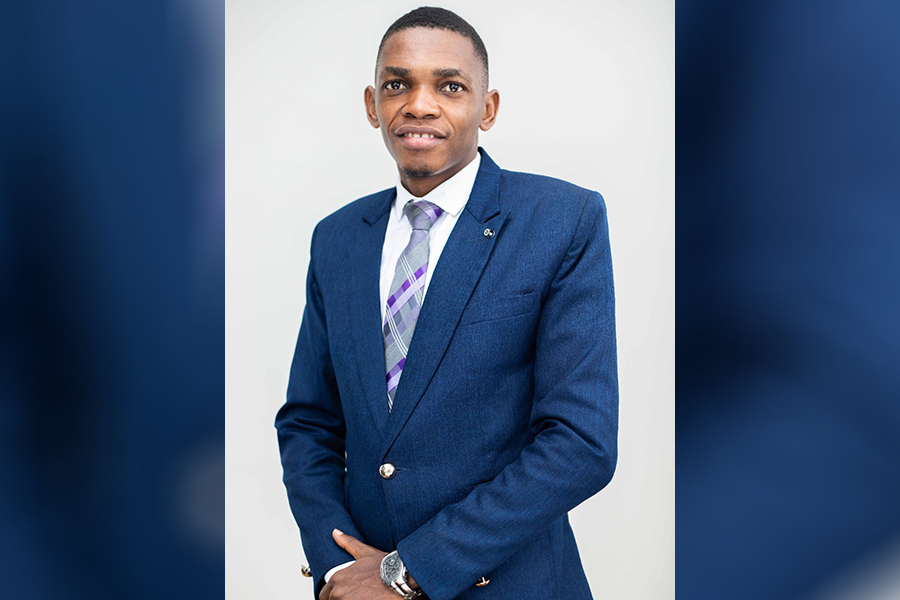
Mr Paul Kayonga is a News Producer at NBS Television
