

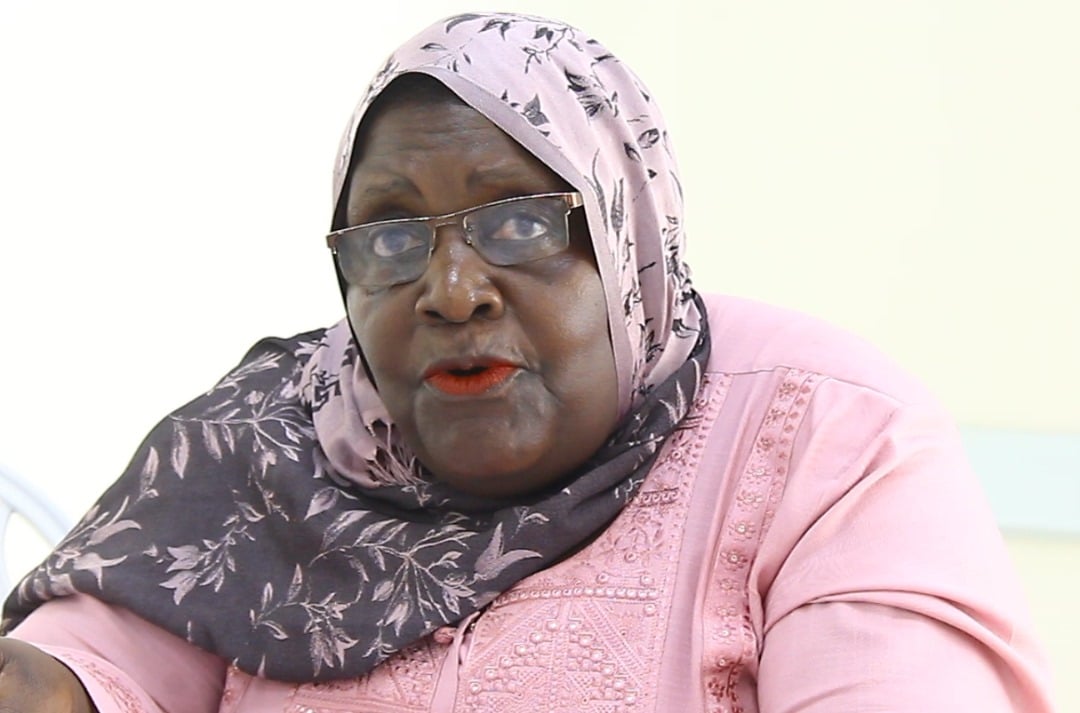
The Chairperson of the Equal Opportunities Commission (EOC), Safia Nalule Jjuuko, has called for greater access to free legal services for marginalised groups, particularly women, children, and the elderly, who face challenges such as land disputes, domestic violence, and financial barriers to justice.
Ms Jjuuko made these remarks during a training session for paralegals from various regions of Uganda, aimed at enhancing access to justice and addressing issues of discrimination and marginalisation at the grassroots level.
Participants learned how to register complaints and the commission's adjudication process, which includes mediation, conciliation, and tribunal hearings when necessary.
Ms Jjuuko stressed the importance of involving citizens in national development planning and raising awareness about available legal services.
"Many Ugandans do not know where to seek legal help. Awareness-raising is crucial, and we do our best through our legal, compliance, and education departments, but our coverage remains limited," she said.
She also pointed out the difficulties faced by people in remote areas, particularly on islands, where accessing justice is expensive and challenging.
"For example, when a case is reported, the person must pay for the transportation of the suspect to court. If bail is granted, they must travel across water to access banking facilities, often missing court proceedings," Ms Jjuuko explained.
Budget constraints have hindered the commission’s ability to set up regional offices, making it necessary to train paralegals to serve as ambassadors in their communities.
"We want them to reach the most distant individuals, especially those who cannot afford legal fees, and refer them to us for help," she added.
Susan Owomugisha, a lawyer from Mbarara, highlighted that many people in rural districts like Isingiro and Rwampara face significant legal challenges but cannot afford lawyers.
"These communities deal with land disputes, domestic violence, and suppression of voices, especially among young children. Due to financial constraints, many cannot access legal help," she said.
Owomugisha emphasized that pro bono legal services could bridge this gap and ensure justice for indigent individuals.
She also noted that legal professionals play a crucial role in mediating domestic conflicts, offering alternatives to divorce through negotiation and reconciliation.
"If legal professionals step in, we can help families resolve their issues amicably instead of resorting to separation," she added.
The call for increased legal aid comes amid growing concerns about legal access for vulnerable groups in Uganda, with lawyers urging more initiatives to provide support at the grassroots level.
Vanessa Peace Aber, a legal officer with the commission, emphasized that the EOC’s mandate is to eliminate discrimination based on factors such as age, gender, ethnicity, and color.
The training aimed to equip paralegals—non-lawyers with legal knowledge—with skills to assist communities in navigating legal challenges.
"Paralegals are our ambassadors in society. They help identify and report cases of discrimination and marginalization, especially in areas like land rights and access to justice," she said.
Ronald Karuhanga, a Commission Counsel at the EOC, highlighted the lack of awareness among Ugandans, particularly those in marginalized communities, about available legal aid services.
"There is a lack of sensitization in the community about legal aid clinics and platforms that can provide assistance. Many people don’t even know where to seek help, and as a result, their legal issues remain unresolved," Karuhanga said.
He also pointed out that funding constraints are another major challenge, as legal aid entities struggle to carry out their mandates effectively.
Karuhanga recommended increased sensitization on legal rights and greater support for agencies such as the EOC and the Uganda Human Rights Commission to bridge the justice gap for vulnerable groups.
"We need to facilitate institutions advocating for people’s rights so that justice becomes accessible to all," he added.
