

Media experts have said president Museveni's directive on advertising could be a political move aimed at controlling the media, and media associations.
The experts said the directive is a threat to the existence of private media houses in Uganda if it is not rescinded.
The directive, issued in March 2023 and reinforced in July by the Permanent Secretary of the Ministry of Finance, Ramathan Ggoobi, mandates that government advertising is channeled solely through the Uganda Broadcasting Corporation and print media through the New Vision.
Broadcasters have protested against the move, with the National Association of Broadcasters (NAB) announcing a boycott of all government programmes.
The Uganda Editors’ Guild (UEG) also announced a boycott of government press briefings.
Both groups argue that the directive, which results in an unfair and discriminatory practice, is detrimental to media freedom and the equitable distribution of public funds.
Ggoobi has warned that any accounting officer who deviates from the directive will face sanctions including dismissal.
The issue has led to speculation that the aim of the directive may be a political ploy to control the media.
The UEG claimed that the directive was unconstitutional and a violation of free speech.
George Musisi, a constitutional lawyer, argued that the directive was irregular and irrational, saying that it would lead to a monopoly that is illegal and unconstitutional.
He also argued that the directive may be a political move aimed at controlling the media, drawing comparisons with the 1990s when Daily Monitor was denied government adverts as a way of punishing it.
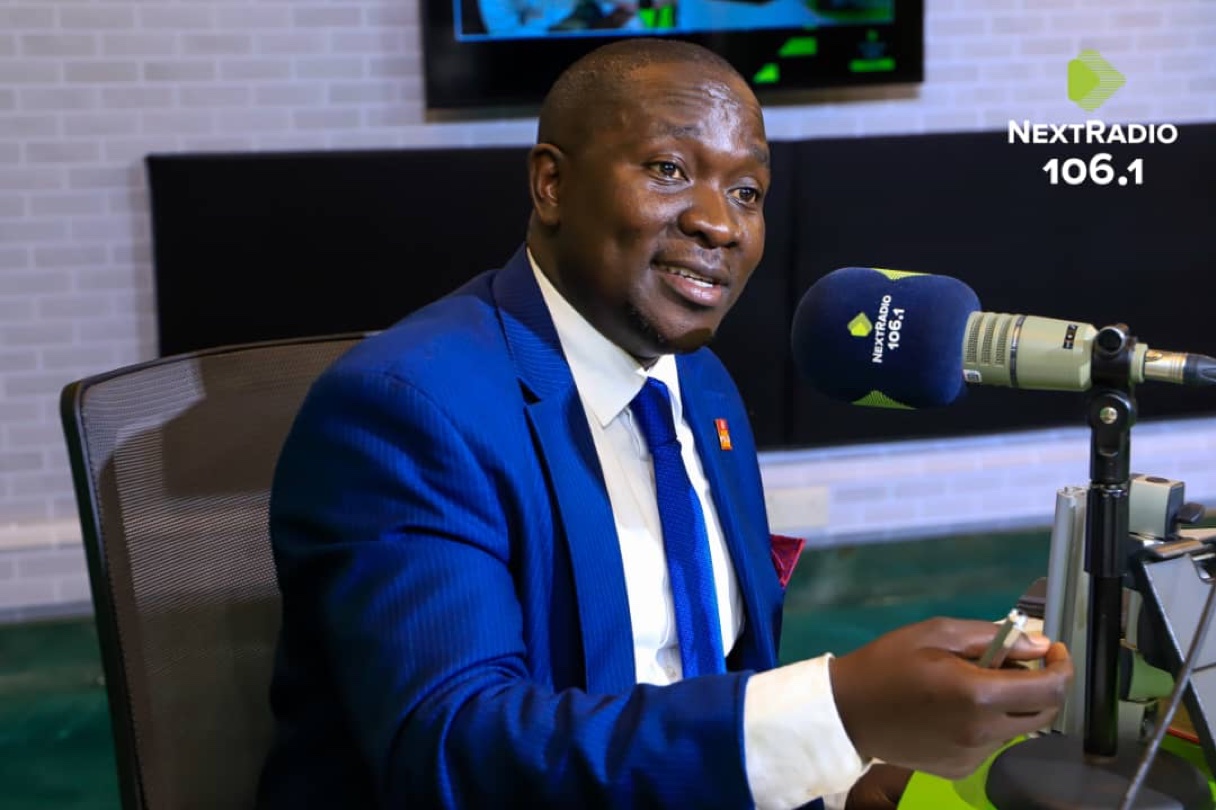
“It is also possible that the directive could be one of the ways of controlling the media by telling them that if they do this “we (the government) shall do this,” he said while appearing on the Big Talk on Next Radio on Monday night.
Musisi explained that every person has a right to earn employment, noting that people are going to run out of jobs because of this directive it is not right.
He noted that the directive was a symptom of UBC's problem, as it is acting more like a state broadcaster and less of a public broadcaster.
“Media has a duty to its clients and also the country; to inform and communicate accurately and fairly. Free media is one that executes this without pressure from the clients or highly placed authority,” he said.
Musisi said the people who are also going to be affected are the private broadcasters who have an equal stake in participating businesses.
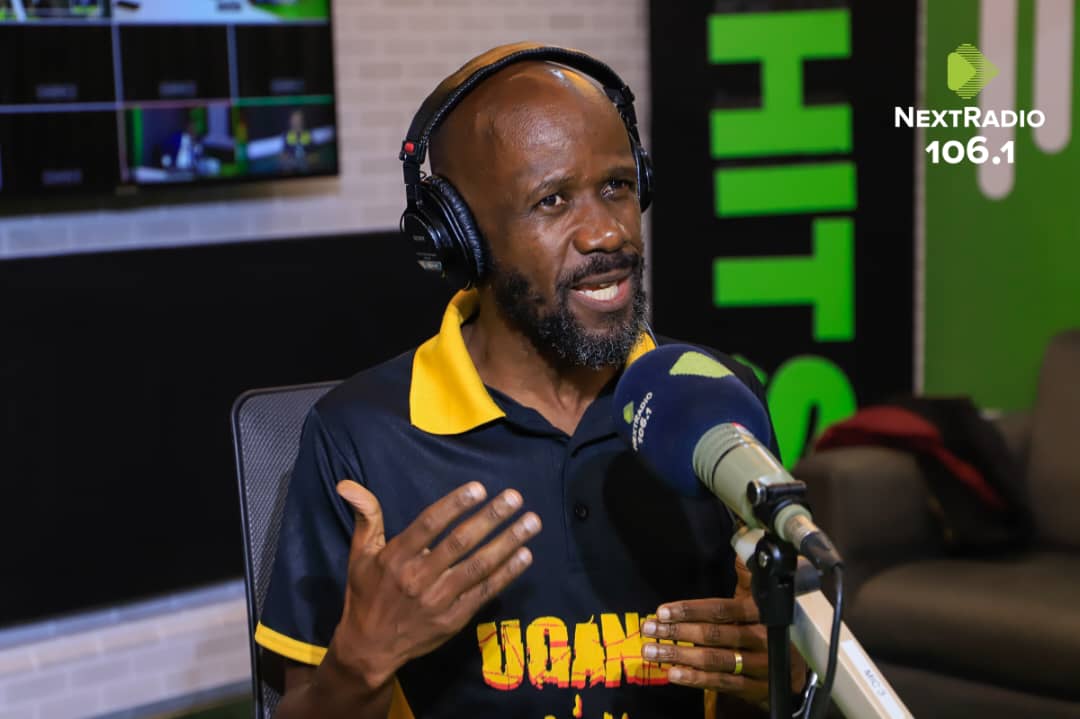
Joseph Beyanga, Secretary General of NAB, affirmed Musisi's concerns and said that UBC's problem, like most national broadcasters, is largely due to management and supervision.
Beyanga stressed that the ban of not covering all the government activities is on and that they are only covering the essential government functions, such as disease outbreaks.
“The President loves the media. He knows how much power it has. We were never affected so much like other countries because of how we were able to sensitize the people through the media. I don't think he would turn around to cripple it, “he said.
